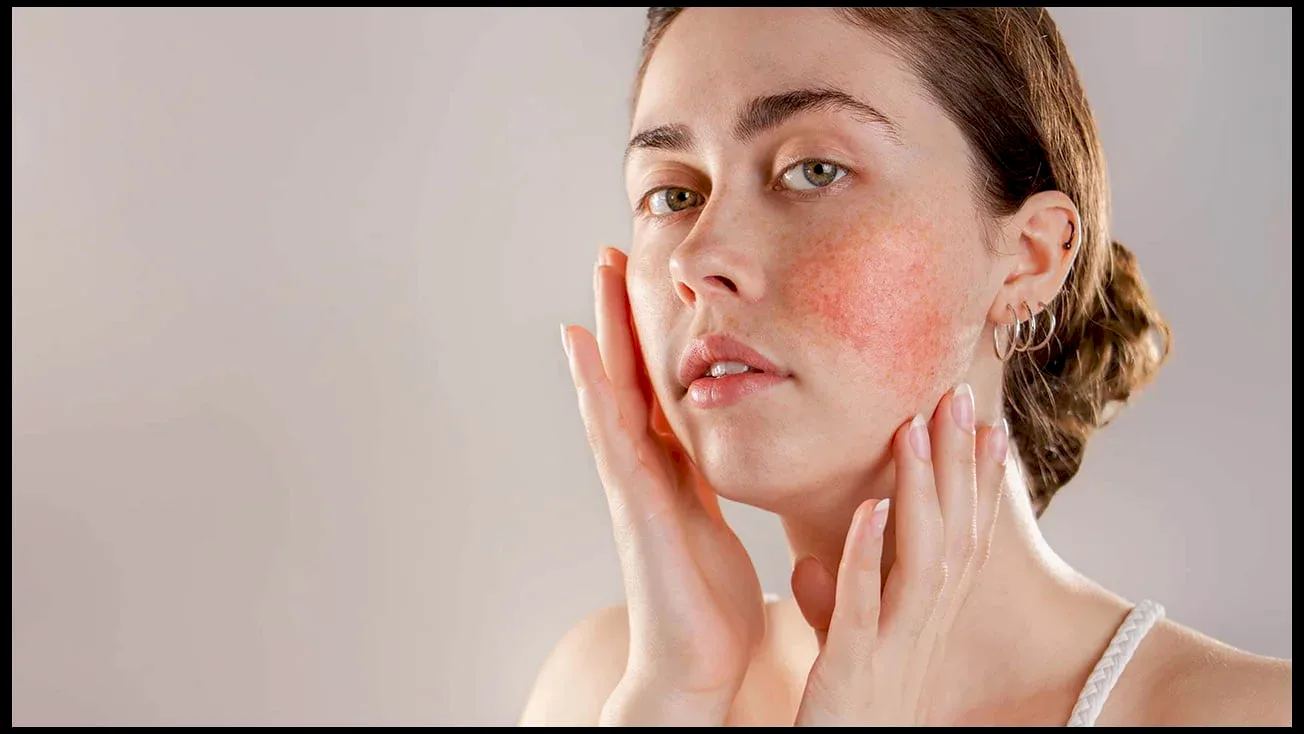


Acne Treatment
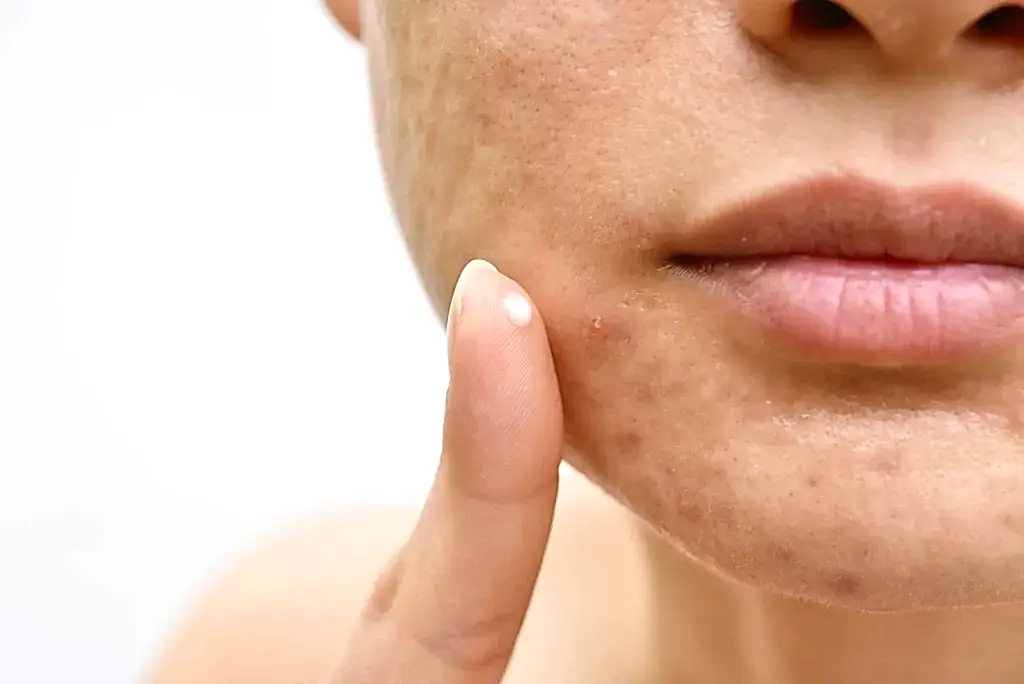
Acne Treatment, under Uzm.Dr. Ecem Cantürk Nazlı’s area of expertise, this procedure addresses the common yet challenging concern of improving skin quality. By focusing on anatomical improvement and achieving a natural appearance, the treatment offers both aesthetic and functional benefits. In Izmir, patients can expect a problem-oriented approach that enhances the skin’s renewal process, leading to a healthier complexion.
Patients often experience a perception of natural and balanced results, contributing to both physical and psychological well-being. The treatment promotes not only skin rejuvenation but also an increase in self-confidence, offering a sense of recovery and comfort. These positive outcomes highlight the treatment’s potential to support individuals in feeling more confident and comfortable in their own skin.
What Is Acne Treatment?
Acne treatment is a medical approach aimed at managing and reducing the symptoms of acne, which affects the skin by causing pimples, blackheads, and cysts. These treatments target the overproduction of oil, bacteria, and clogged pores that contribute to acne formation, helping to restore clearer skin and prevent scarring.
In the field of dermatology, acne treatment is tailored to each individual’s specific skin type, severity of acne, and underlying causes. It is suitable for patients experiencing mild to severe acne and is preferred when over-the-counter remedies are ineffective. Evaluation is performed on an individual basis to ensure a personalized treatment plan that addresses the unique needs of each patient’s skin condition.
How Is Acne Treatment Performed?
In our clinic, the acne treatment process begins with a thorough assessment of the patient’s skin, where the severity and type of acne are evaluated. This initial step is crucial to determine the most appropriate treatment plan, which may involve topical medications, oral medications, or a combination of both.
During the examination, I evaluate the patient’s medical history, skin type, and lifestyle factors that may influence acne. This comprehensive evaluation guides the decision-making process, ensuring that the chosen treatment aligns with the patient’s specific needs and health considerations.
Once the treatment plan is established, the application is conducted in a controlled and individualized manner. Depending on the selected approach, medications are prescribed, or procedures are performed using devices such as the BBL laser, which may be used to target inflammation and bacteria. This personalized approach ensures that each patient receives the most effective treatment for their particular acne condition.
Understanding Different Types of Acne and Their Treatment Implications
Acne manifests in various forms, each requiring tailored treatment approaches. Recognizing the type of acne is crucial for effective management. The main types include:
Comedonal Acne
Characterized by blackheads and whiteheads, comedonal acne often responds well to topical treatments.
- Topical retinoids: Promote cell turnover and prevent pore clogging.
- Salicylic acid: Helps exfoliate the skin and clear pores.
- Benzoyl peroxide: Reduces bacteria and inflammation.
Inflammatory Acne
Featuring red, swollen lesions, inflammatory acne may require a combination of topical and oral medications.
- Oral antibiotics: Reduce bacteria and inflammation.
- Topical antibiotics: Target surface bacteria.
- Combination therapies: Often include benzoyl peroxide to prevent antibiotic resistance.
Cystic Acne
This severe form involves large, painful cysts beneath the skin and typically necessitates prescription treatments.
- Oral isotretinoin: Addresses severe acne by reducing oil production.
- Corticosteroid injections: Help reduce inflammation in deep cysts.
- Hormonal treatments: Used for women with hormone-related acne.

Personalized Treatment
Every individual’s skin and skin structure are unique. Therefore, Acne Treatment should be personalized for each person.

Sterile Clinical Environment
Acne Treatment must be performed under the supervision of a specialist physician and in a sterile clinical environment.

Treatment Tailored to Your Needs
In our clinic, the number of sessions is customized specifically for you, both for Acne Treatment and our other treatments.
Professional Procedures for Acne Treatment
In clinical settings, several advanced procedures are employed to treat acne effectively. These include:
Chemical Peels
Chemical peels involve applying a chemical solution to exfoliate and rejuvenate the skin, helping to reduce acne lesions.
Laser and Light Therapies
These therapies target bacteria and reduce inflammation, and are particularly beneficial for patients with inflammatory acne.
- Blue light therapy: Targets acne-causing bacteria.
- Pulsed light and heat energy (LHE): Reduces sebum production and inflammation.
- Photodynamic therapy: Combines light and a photosensitizing agent for deeper treatment.
Role of Lifestyle and Diet in Acne Management
While clinical treatments are essential, lifestyle and dietary habits also play a significant role in managing acne.
Dietary Influences
Certain foods may exacerbate acne, while others can help improve skin health.
- High-glycemic foods: Can increase insulin levels and exacerbate acne.
- Dairy products: Some studies suggest a link between dairy and acne.
- Anti-inflammatory foods: Omega-3 fatty acids and antioxidants may improve skin health.
Stress and Acne
Stress management techniques can help reduce acne flare-ups by lowering cortisol levels.
- Meditation and yoga: Promote relaxation and reduce stress.
- Regular exercise: Helps maintain hormonal balance.
- Adequate sleep: Essential for skin health and stress reduction.
Post-Treatment Care and Maintenance Strategies
Following professional acne treatment, post-care is vital to maintain results and prevent recurrence.
Skin Care Regimen
A consistent and gentle skincare routine helps maintain treatment outcomes.
- Non-comedogenic products: Prevent pore clogging.
- Moisturizers: Keep skin hydrated and prevent irritation.
- Sunscreen: Protects treated skin from UV damage.
Follow-up Appointments
Regular check-ins with your dermatologist help monitor progress and adjust treatments as necessary.
Addressing Acne Scars in Clinical Settings
Professional interventions are often required to address scarring left by severe acne.
Microdermabrasion and Dermabrasion
These techniques exfoliate the skin, reducing the appearance of superficial scars.
Microneedling
Microneedling promotes collagen production, improving skin texture and reducing the appearance of scars.
- Collagen induction therapy: Uses fine needles to create micro-injuries.
- Radiofrequency microneedling: Combines microneedling with RF energy for deeper treatment.
Laser Resurfacing
Laser treatments can help resurface the skin and diminish both superficial and deep scars.
| Treatment Type | Procedure Duration | Recovery Period |
|---|---|---|
| Topical Treatments | 5-10 minutes | No recovery time |
| Oral Medications | Varies (daily intake) | No recovery time |
| Chemical Peels | 30-60 minutes | 1-2 weeks |
| Laser Therapy | 15-60 minutes | 1-3 days |
| Light Therapy | 15-30 minutes | No recovery time |
Comprehensive Clinical Evaluation for Dermatological Care
When considering dermatological treatments, a thorough clinical evaluation is essential. This process involves analyzing anatomical, dermatological, and structural variables unique to each patient. Factors such as skin type, elasticity, and any existing dermatological conditions are carefully assessed. By understanding these variables, dermatologists can tailor treatment plans that are mindful of each patient’s unique characteristics and needs.
Furthermore, the expert perspective in dermatology recognizes the importance of previous medical history, including any past cosmetic or medical procedures. Evaluating how skin has responded to past treatments provides insights into future care strategies. It’s essential to consider long-term balance and maintenance requirements to ensure that any treatment plan supports ongoing skin health and adapts to any changes over time.
Key Criteria in Clinical Decision-Making
- Evaluation of anatomical structure and tissue characteristics
- Assessment of skin type and existing dermatological conditions
- Review of previously applied procedures and their responses
- Consideration of long-term balance and maintenance requirements
Acne Treatment Prices
Acne treatment prices can vary significantly, as each individual requires a personalized approach. Personal factors such as skin type, treatment process, and specific needs make it impossible to offer a standard price. A precise fee is determined following a comprehensive clinical evaluation, which allows for a tailored treatment plan. For accurate and detailed pricing information, we encourage you to contact our clinic directly. Our team will be happy to assist you in understanding the potential costs involved in your acne treatment journey.
Conclusion
Acne treatment addresses the diverse needs of patients by focusing on reducing inflammation, preventing scarring, and improving skin texture. The individualized evaluation of each patient plays a decisive role in determining the most suitable approach to treatment. The process is shaped by thorough examination and the physician’s expert opinion, ensuring that the treatment plan is tailored to the patient’s unique skin condition. A clinical approach based on balance and assessment, as emphasized by Uzm. Dr. Ecem Cantürk Nazlı in Izmir, ensures optimal care and effective results.
Acne Treatment Frequently Asked Questions
Question: Is the acne treatment procedure painful?
Answer: The level of discomfort experienced during acne treatment can vary depending on the specific procedure and individual sensitivity. Most patients report only mild discomfort, which is generally well-tolerated. It is important to discuss any concerns with your physician prior to the treatment.
Question: When can I expect to see noticeable effects from acne treatment?
Answer: The timeline for noticeable effects can vary based on the treatment method and individual skin response. Some patients may observe improvements within a few weeks, while others may require several months for optimal results. Regular follow-ups with your physician will help monitor progress.
Question: How many sessions are typically required for acne treatment?
Answer: The number of sessions needed for acne treatment depends on the severity of the condition and the chosen treatment method. Some patients may see significant improvement with a few sessions, while others may need ongoing treatment. Your physician will provide a personalized treatment plan.
Question: Are there any potential side effects associated with acne treatment?
Answer: While acne treatments are generally safe, there may be potential side effects such as redness, dryness, or mild irritation. These effects are usually temporary and resolve on their own. It is important to discuss any concerns with your physician to ensure a safe treatment experience.