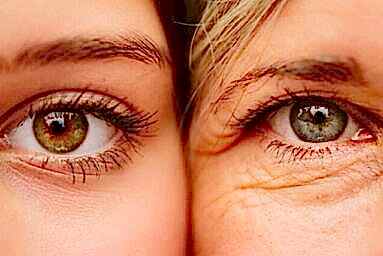

Eye Wrinkle Treatment

Eye Wrinkle Treatment aims to address the common concern of fine lines and creases around the eyes, providing both aesthetic and functional benefits. In the expert hands of Uzm.Dr. Ecem Cantürk Nazlı’s area of expertise, this procedure can enhance skin quality and promote renewal, offering a problem-oriented approach. Patients in Izmir can expect a professional and tailored experience that caters to their specific needs.
The focus on achieving natural and balanced results ensures that the physical appearance aligns with the patient’s expectations, contributing to both rejuvenation and increased self-confidence. Whether through minimally invasive techniques or advanced technologies, the treatment supports a comfortable journey towards refreshed and youthful-looking skin.
What Is Eye Wrinkle Treatment?
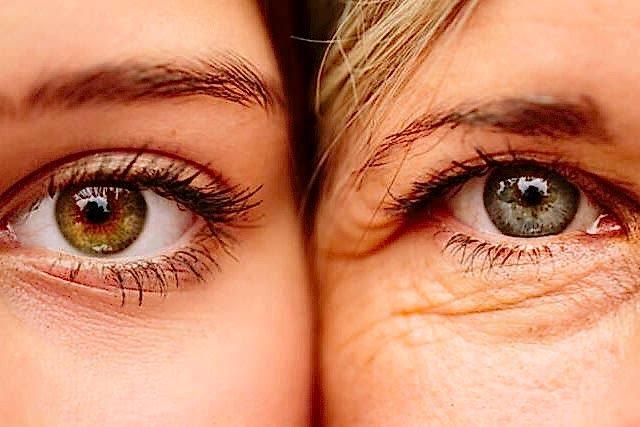
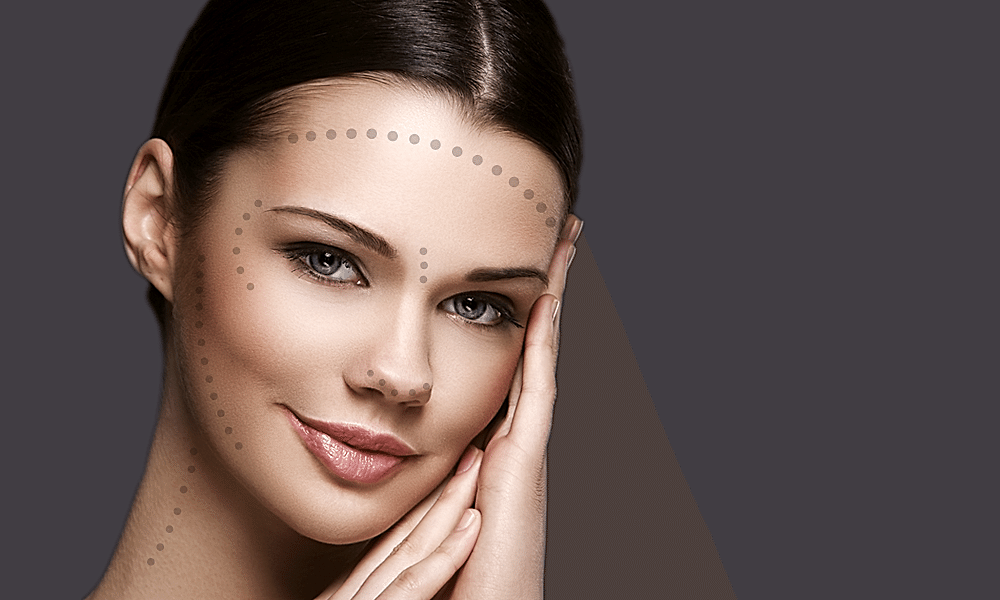
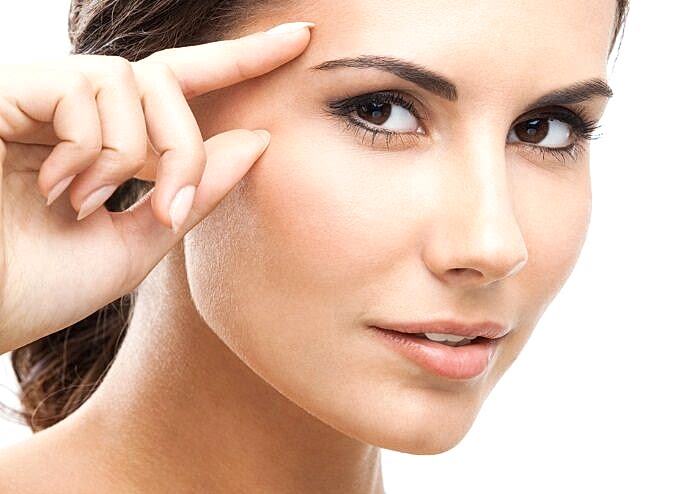
Eye wrinkle treatment is a dermatological procedure designed to reduce the appearance of fine lines and wrinkles around the eyes. It targets the delicate skin in this area to improve texture and elasticity, addressing aging signs and providing a more youthful look. The treatment can involve various techniques depending on the specific needs and conditions of the skin.
In the field of dermatology, eye wrinkle treatment is an essential service that helps patients achieve aesthetic goals while maintaining skin health. It is suitable for individuals experiencing early signs of aging or those seeking preventive measures. The choice of treatment is tailored to the individual, as factors such as skin type, age, and specific concerns play a crucial role in determining the most effective approach.
How Is Eye Wrinkle Treatment Performed?
The eye wrinkle treatment process in a clinical setting begins with a comprehensive consultation to understand the patient’s concerns and desired outcomes. The general framework includes an assessment of the skin’s condition and discussing various treatment options to address the wrinkles effectively.
During the examination, I evaluate factors such as skin texture, elasticity, and any underlying conditions that might affect the treatment choice. This evaluation helps in deciding whether a device-based approach, such as using Morpheus8 or the fractional laser, will be most suitable for the patient’s needs.
At the application stage, a personalized and controlled approach is taken to ensure optimal results and patient safety. In our clinic, we use advanced technologies like the Morpheus8 to deliver precise treatment, focusing on stimulating collagen production and improving skin tone. Each session is carefully monitored to adapt to the patient’s response, ensuring a tailored and effective treatment plan.
Common Techniques for Eye Wrinkle Treatment
Various techniques are employed to treat eye wrinkles, each with unique benefits and applications. These procedures are often chosen based on their suitability for the patient’s specific skin type and wrinkle severity.
Botulinum Toxin Injections
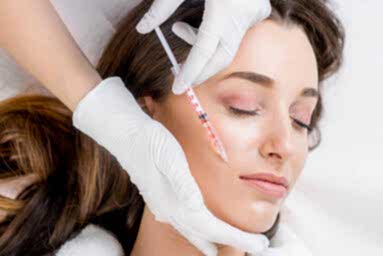
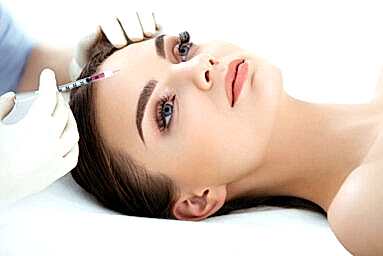
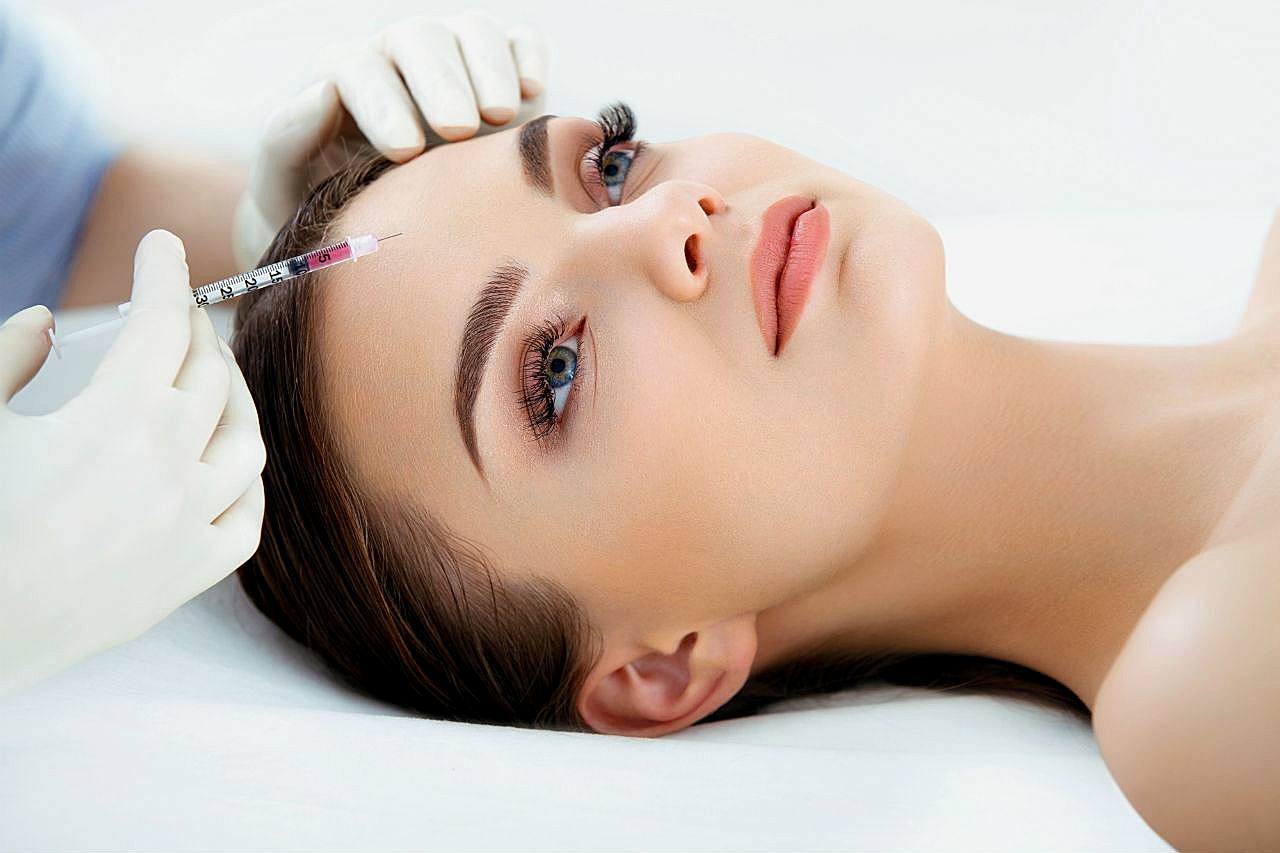
Botulinum toxin injections, commonly known as Botox, are a popular choice for reducing the appearance of fine lines and wrinkles around the eyes. This procedure involves injecting a purified form of the toxin into the muscles to temporarily relax them, smoothing out the skin.
Dermal Fillers
Dermal fillers are another option for treating eye wrinkles. These injectable treatments add volume beneath the skin, filling in lines and giving the face a more youthful appearance. They are particularly effective for deeper wrinkles.
Laser Resurfacing
Laser resurfacing uses concentrated beams of light to remove the outer layers of skin, promoting the growth of new, smoother skin. This technique is effective for treating fine lines and improving overall skin texture.
- Fractional CO2 Laser
- Erbium Laser
- Pulsed-Dye Laser

Personalized Treatment
Every individual’s skin and skin structure are unique. Therefore, Eye Wrinkle Treatment should be personalized for each person.

Sterile Clinical Environment
Eye Wrinkle Treatment must be performed under the supervision of a specialist physician and in a sterile clinical environment.

Treatment Tailored to Your Needs
In our clinic, the number of sessions is customized specifically for you, both for Eye Wrinkle Treatment and our other treatments.
Factors Influencing Treatment Choice
The selection of the appropriate eye wrinkle treatment depends on several factors. Understanding these can help in making informed decisions about which procedure may be most suitable.
- Severity and depth of wrinkles
- Skin type and tone
- Patient’s age and overall health
- Desired recovery time
Potential Side Effects and Risks
While eye wrinkle treatments are generally safe when performed by qualified professionals, there are potential side effects and risks that patients should be aware of.
- Temporary redness or swelling
- Bruising at the injection site
- Risk of infection
- Allergic reactions
Expected Recovery and Downtime
The recovery time for eye wrinkle treatments varies depending on the procedure chosen. Patients should be prepared for a certain amount of downtime to allow the skin to heal properly.
Non-Invasive Procedures
Non-invasive treatments like Botox and dermal fillers typically require minimal downtime. Patients can often return to their normal activities immediately after treatment.
Invasive Procedures
Procedures such as laser resurfacing may require a longer recovery period. Patients might experience redness and peeling for a few days to a week following the procedure.
Post-Treatment Care and Maintenance
Proper post-treatment care is crucial for achieving optimal results and maintaining the effects of eye wrinkle treatments over time.
- Avoid sun exposure and use sunscreen to protect the skin.
- Follow specific care instructions provided by the healthcare provider.
- Consider follow-up appointments for maintenance treatments.
Long-Term Benefits and Sustainability of Results
While eye wrinkle treatments can offer significant improvements, understanding the long-term benefits and sustainability of results is important for setting realistic expectations.
Results from treatments like Botox and fillers can last from several months to a year, depending on the individual and the specific treatment. Regular maintenance sessions can help prolong the effects.
| Treatment | Duration of Procedure | Duration of Effect |
|---|---|---|
| Botox Injections | 15-30 minutes | 3-4 months |
| Dermal Fillers | 30-45 minutes | 6-12 months |
| Laser Resurfacing | 30-60 minutes | Varies; typically long-lasting |
| Chemical Peels | 30 minutes | Variable; often requires maintenance |
| Microdermabrasion | 30-60 minutes | Temporary; requires ongoing sessions |
Expert Clinical Evaluation and Strategic Planning
In the realm of dermatology and medical aesthetics, the clinical evaluation of eye wrinkle treatments necessitates a comprehensive understanding of individual anatomical and dermatological characteristics. This involves assessing factors such as skin elasticity, muscle movement, and the distribution of subcutaneous fat. These elements are crucial in formulating a treatment plan that aligns with the unique structural and functional attributes of each patient, ensuring that the approach is tailored to their specific needs.
From an expert perspective, it is essential to consider both the current dermatological condition and the patient’s history of previous treatments. This includes evaluating the skin type, any pre-existing dermatological issues, and how the skin has responded to past interventions. These insights guide the strategic planning process, allowing for informed decisions that prioritize the long-term balance and maintenance of skin health and aesthetics.
Key Considerations in Clinical Decision-Making
- Understanding the anatomical structure and tissue characteristics
- Evaluating skin type and existing dermatological conditions
- Reviewing previously applied procedures and their outcomes
- Assessing long-term balance and maintenance requirements
Eye Wrinkle Treatment Prices
Understanding that each individual’s needs and physiological characteristics are unique, establishing a standard price for eye wrinkle treatment is challenging. Pricing is influenced by various personal factors, such as skin condition and desired outcomes. A thorough clinical evaluation is essential to tailor the treatment plan accordingly, which will subsequently determine the cost. To receive a personalized consultation and accurate pricing information, we encourage you to contact our clinic directly. Our team is available to guide you through the process and address any questions you may have.
Conclusion
Eye wrinkle treatment addresses the common concern of aging signs around the eyes, providing a more youthful appearance by targeting fine lines and wrinkles. The process requires a personalized evaluation, where {{doktor_adi}} in {{şehir}} considers the unique characteristics of each patient’s skin and the specific needs of their eye area. This individualized approach ensures that the treatment plan is shaped by thorough examination and professional medical opinion. A clinical perspective grounded in careful balance and assessment is crucial to achieving natural-looking results.
Eye Wrinkle Treatment Frequently Asked Questions
Question: Is the procedure painful?
Answer: The procedure is generally well-tolerated by most patients, with minimal discomfort. A topical anesthetic may be applied to enhance comfort during the treatment.
Question: When can I notice the effects of the treatment?
Answer: The effects of eye wrinkle treatments are typically noticeable within a few days to a week, as the skin begins to respond to the procedure. Full results may take a few weeks to become apparent.
Question: How many sessions are required for optimal results?
Answer: The number of sessions needed varies based on individual needs and the specific treatment plan. Some patients may achieve their desired results in a single session, while others might require multiple sessions for optimal outcomes.
Question: Are there any possible side effects of the treatment?
Answer: Possible side effects are generally mild and may include temporary redness, swelling, or bruising at the treatment site. These effects usually subside within a few days and are considered normal responses.