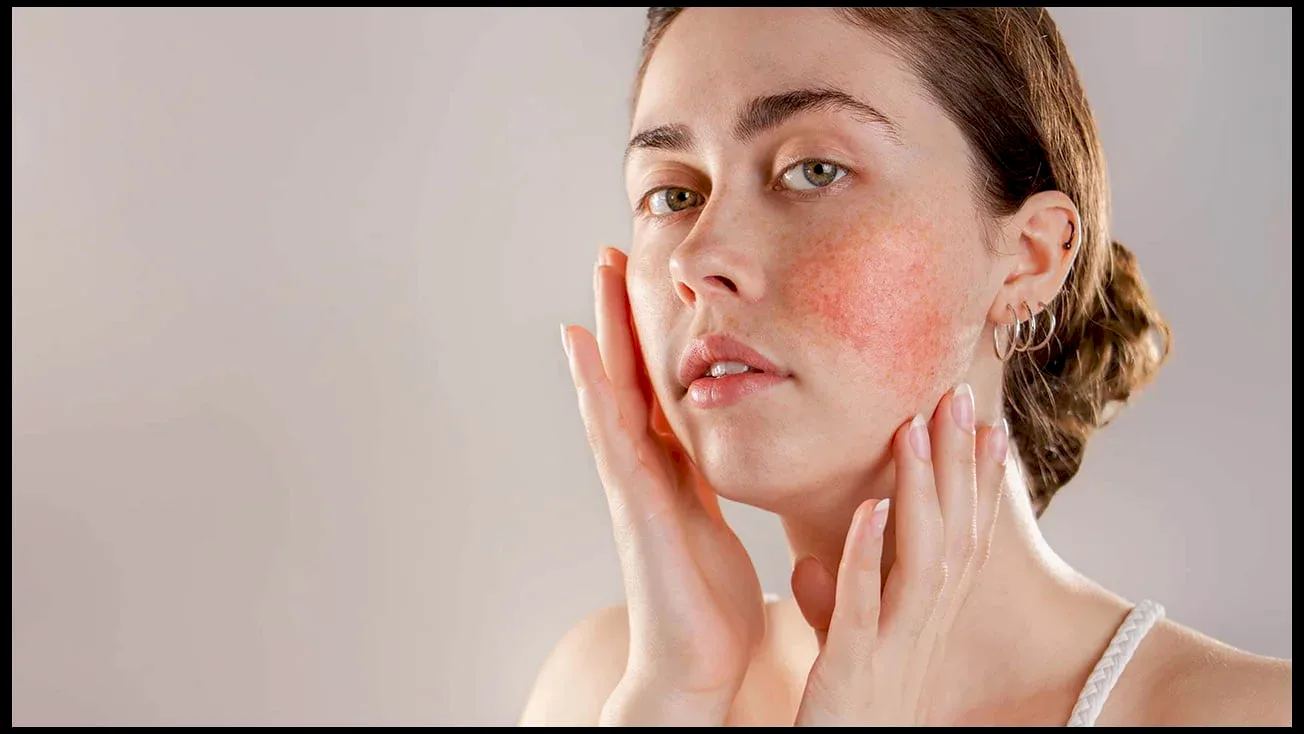


Cauterization Treatment
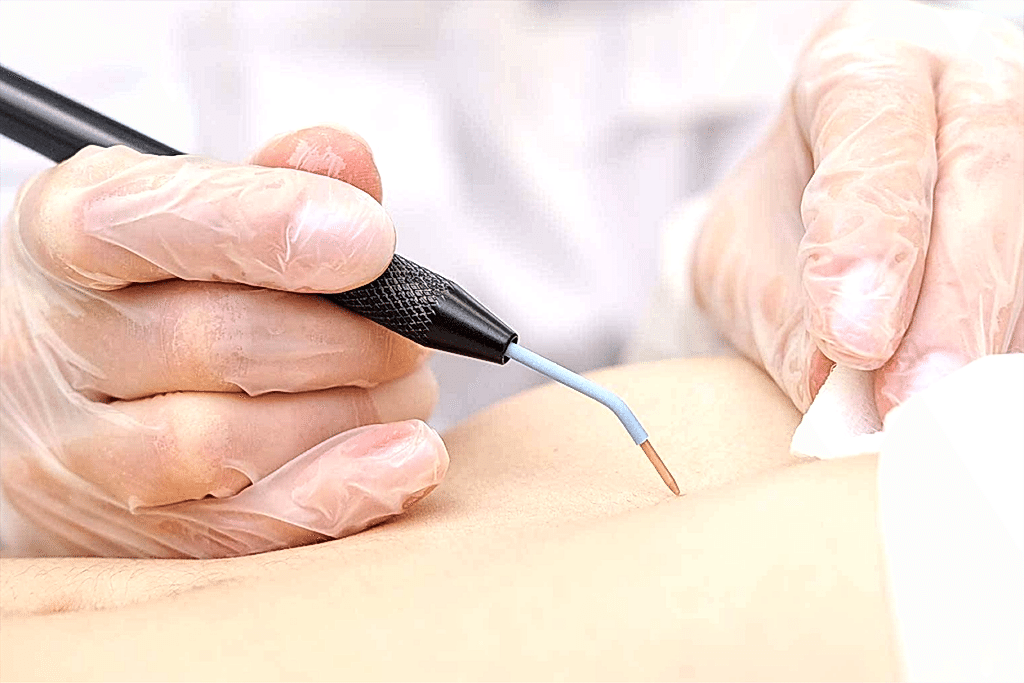
Cauterization Treatment, in Uzm.Dr. Ecem Cantürk Nazlı’s area of expertise, this procedure offers a comprehensive approach to address various skin concerns. Whether aiming for anatomical improvements or enhanced skin quality, the procedure ensures both aesthetic and functional benefits. In Izmir, patients can expect a professional approach that emphasizes minimally invasive techniques for effective and lasting results.
This treatment is designed to achieve natural and balanced outcomes, fostering both physical rejuvenation and psychological well-being. Through a controlled and targeted application, it supports skin renewal and problem-oriented solutions, contributing to increased self-confidence and overall comfort. Patients can experience a harmonious blend of technological support and personal care.
What Is Cauterization Treatment?
Cauterization treatment is a medical procedure that involves burning a part of the body to remove or close off tissue, often used to stop bleeding, prevent infection, or remove abnormal growths. It addresses issues such as warts, skin tags, and small tumors, targeting specific areas of unwanted tissue. The procedure is typically performed using heat, electricity, or chemicals to achieve the desired effect.
In the field of dermatology, cauterization is a valuable tool for treating various skin conditions that require precise tissue removal or sealing. It may be suitable for patients with benign skin lesions or those needing localized treatment for bleeding control. Each patient’s needs are evaluated individually to determine the appropriateness of the procedure, ensuring that the treatment aligns with their specific dermatological concerns and health status.
How Is Cauterization Treatment Performed?
In our clinic, the cauterization treatment process begins with an initial consultation to assess the patient’s condition and determine the best approach. The general framework involves preparing the affected area, applying the cauterization method, and then ensuring proper post-procedural care. This step-by-step process ensures that the treatment is carried out safely and effectively.
During the examination, I evaluate the patient’s skin condition and overall health to decide on the most appropriate cauterization technique. Factors such as the location, size, and type of lesion are considered, and the patient’s medical history is reviewed to tailor the treatment plan to their needs. This thorough evaluation is crucial for achieving the best possible outcomes.
The actual application of cauterization is performed in a controlled environment, ensuring precision and safety. My approach is to individualize the treatment, taking into account the patient’s unique requirements and comfort. After the procedure, specific care instructions are provided to facilitate healing and minimize any potential complications. This personalized approach helps in achieving optimal results and patient satisfaction.
Medical Conditions Treated with Cauterization
Cauterization is a versatile treatment option used for a range of medical conditions. Its primary function is to remove or close off certain areas of tissue, which helps in managing various health issues. The procedure is commonly applied to:
- Wound Care: Cauterization helps in sealing bleeding wounds, especially in surgical settings or after traumatic injuries.
- Chronic Nosebleeds: This method is often used to treat recurrent nosebleeds by cauterizing problematic blood vessels.
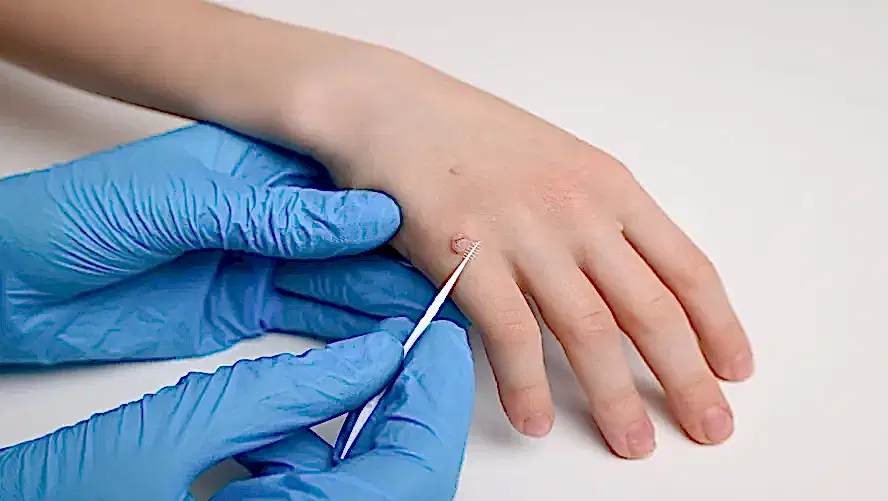
- Skin Lesions and Warts: Cauterization can effectively remove skin growths like warts and moles.
These applications demonstrate its utility in both acute and chronic medical situations.

Personalized Treatment
Every individual’s skin and skin structure are unique. Therefore, Cauterization Treatment should be personalized for each person.

Sterile Clinical Environment
Cauterization Treatment must be performed under the supervision of a specialist physician and in a sterile clinical environment.

Treatment Tailored to Your Needs
In our clinic, the number of sessions is customized specifically for you, both for Cauterization Treatment and our other treatments.
Types of Cauterization Techniques
There are several techniques of cauterization, each suited to different medical purposes. Understanding these techniques helps in determining the appropriate treatment method based on the patient’s condition:
- Electrocautery: Uses electrical current to generate heat for tissue destruction or coagulation.
- Chemical Cauterization: Involves the application of caustic agents like silver nitrate to burn off tissue.
- Thermal Cauterization: Utilizes heated instruments or substances to achieve tissue destruction.
Each method has unique advantages and limitations that should be considered carefully by the healthcare provider.
Benefits and Risks of Cauterization
Like any medical procedure, cauterization offers both benefits and potential risks. It is important for patients and healthcare providers to weigh these aspects before proceeding with the treatment:
- Benefits: Effective in controlling bleeding and preventing infection, especially in surgical wounds.
- Risks: Possible complications include infection, scarring, and changes in skin pigmentation.
- Considerations: Not suitable for all patients, particularly those with certain skin conditions or allergies to chemical agents.
Understanding these factors is crucial for making informed decisions about care.
Post-Procedure Care and Recovery
Cauterization often requires specific post-procedure care to ensure optimal healing and minimize complications. Patients should follow these guidelines:
- Wound Care: Keep the affected area clean and dry to prevent infection.
- Pain Management: Use prescribed medications as directed to manage discomfort.
- Follow-up Appointments: Attend scheduled visits to monitor healing and address any concerns.
Adhering to these care instructions can significantly enhance recovery outcomes.
Factors Influencing Cauterization Outcomes
Several factors can influence the success and effectiveness of cauterization treatment. Recognizing these can help tailor the procedure to individual needs:
Patient Health Status
Underlying health conditions such as diabetes or immune disorders can affect healing and increase the risk of complications.
Type and Location of Tissue
The nature of the tissue being treated, as well as its anatomical location, can impact the choice of technique and expected results.
Technique Used
The specific type of cauterization employed plays a significant role in determining the procedural outcomes and recovery process.
Comparing Cauterization with Alternative Treatments
Cauterization is one of several treatments available for conditions like bleeding control and lesion removal. Comparing it with alternatives provides insight into its suitability:
- Laser Therapy: Offers precision and minimal damage to surrounding tissues but may be more costly.
- Cryotherapy: Uses extreme cold to destroy tissue, useful for treating superficial skin lesions.
- Surgical Excision: Involves cutting out unwanted tissue, often used for larger growths but requires more recovery time.
Each method has distinct benefits and drawbacks, making it essential to consider patient-specific factors when choosing a treatment option.
| Feature | Description |
|---|---|
| Procedure Duration | Typically 15-30 minutes |
| Recovery Period | 1-2 weeks |
| Number of Sessions | Depends on condition; often single session |
| Duration of Effect | Permanent for treated area |
| Possible Side Effects | Redness, swelling, minor pain |
| Treatment Areas | Warts, skin tags, small lesions |
Clinical Evaluation and Expert Approach
In the clinical evaluation of dermatological treatments, a comprehensive understanding of anatomical structures and tissue characteristics is essential. The expert approach involves assessing not only the visible symptoms but also the underlying causes that might affect the skin’s response to treatment. This involves a detailed examination of the patient’s skin type, the presence of any dermatological conditions, and the overall health of the skin. By understanding these variables, a personalized treatment plan can be developed to address the specific needs of each patient.
An expert dermatologist like Uzm.Dr. Ecem Cantürk Nazlı considers multiple factors when evaluating a patient for treatment. Beyond the immediate skin condition, it is crucial to review any previously applied procedures and their outcomes. This holistic approach ensures that all aspects of the patient’s dermatological history are considered, which helps in formulating a balanced treatment strategy that promotes long-term skin health and maintenance. The aim is to achieve optimal results by tailoring the treatment to the individual’s unique dermatological profile.
Key Factors in Clinical Decision-Making
- Anatomical structure and tissue characteristics
- Skin type and existing dermatological conditions
- Previously applied procedures and responses
- Long-term balance and maintenance requirements
Cauterization Treatment Prices
Understanding the cost of cauterization treatment begins with a personalized clinical evaluation. Each individual’s unique medical needs and the specific details of their treatment plan contribute to the overall price, making a standard fee difficult to establish. Our clinic places emphasis on tailoring care to your specific situation, ensuring that you receive the most appropriate treatment. We encourage you to contact us directly to discuss your needs and receive an accurate estimate after a thorough clinical assessment.
Conclusion
Cauterization treatment serves as a pivotal solution for various dermatological needs, including the removal of unwanted lesions and the management of certain skin conditions. The importance of personalized evaluation by a qualified physician, such as Uzm. Dr. Ecem Cantürk Nazlı, cannot be overstated, as it ensures that each patient’s unique needs are addressed effectively. The process is shaped by a thorough examination and the physician’s expert opinion, which together guide the treatment approach. This clinical method emphasizes a balanced and comprehensive assessment, ensuring that the chosen treatment aligns with the patient’s specific conditions and goals.
Cauterization Treatment Frequently Asked Questions
Question: Is the cauterization procedure painful?
Answer: The level of discomfort experienced during cauterization varies among patients, but it is generally well-tolerated. Local anesthesia is often applied to minimize any discomfort, making the procedure more comfortable.
Question: How soon can I see the effects of cauterization?
Answer: The effects of cauterization are typically noticeable immediately after the procedure. However, the complete healing process might take a few days to a couple of weeks, depending on the individual’s skin type and the extent of the treatment.
Question: Can I return to my daily activities after cauterization?
Answer: Most patients can resume their normal daily activities shortly after the procedure. It is advisable to follow any specific aftercare instructions provided by your physician to ensure optimal healing.
Question: What are the possible side effects of cauterization?
Answer: Common side effects include temporary redness, swelling, and minor discomfort at the treatment site. These effects typically subside within a few days. It is important to discuss any concerns with your physician prior to the procedure.