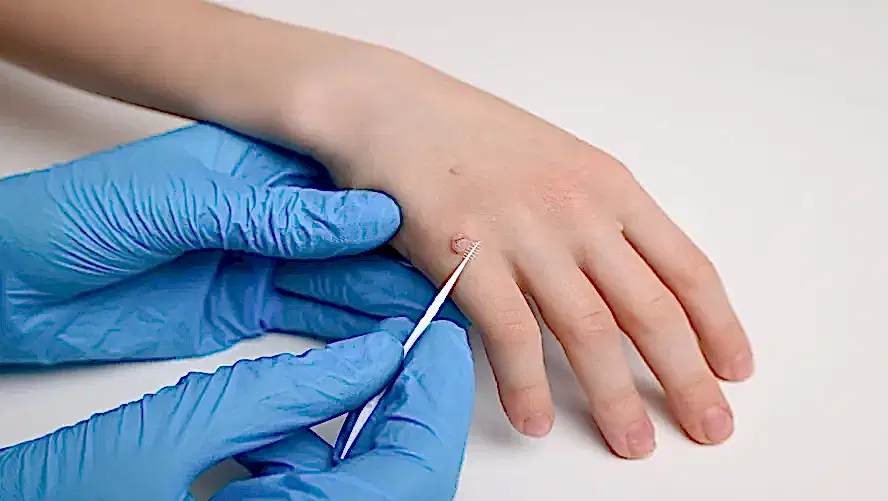


Callus Treatment
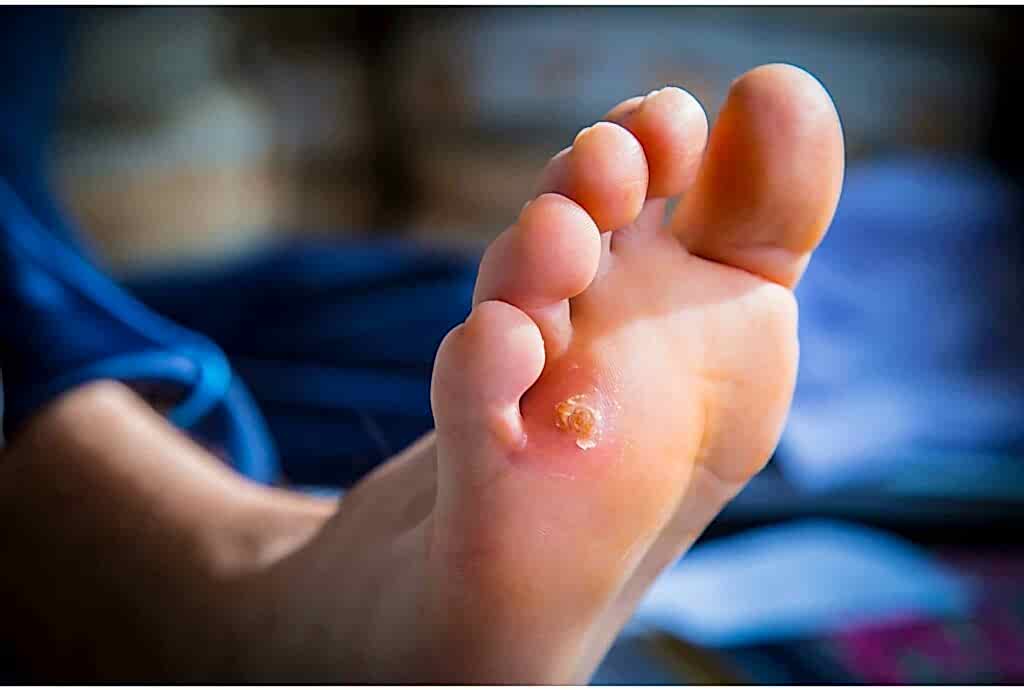
Callus Treatment, as Uzm.Dr. Ecem Cantürk Nazlı’s area of expertise, this procedure addresses the discomfort and aesthetic concerns associated with calluses. In Izmir, patients benefit from a targeted approach that combines anatomical improvement with functional and structural transformation. The procedure offers long-lasting results, enhancing both the appearance and comfort of the skin, making daily activities more enjoyable.
Patients can expect natural and balanced outcomes from this treatment, contributing to both physical comfort and psychological well-being. The process not only aids in rejuvenation and recovery but also fosters an increase in self-confidence. With a focus on renewal and a problem-oriented approach, individuals can achieve smoother skin and a boost in overall self-assurance.
What Is Callus Treatment?
Callus treatment is a medical intervention aimed at removing or reducing thickened skin areas caused by repeated friction or pressure. This procedure targets the outer layers of the skin, particularly on the feet and hands, where calluses commonly develop. By addressing the excessive buildup of dead skin cells, callus treatment helps alleviate discomfort and improve skin appearance.
Callus treatment falls within the field of dermatology, focusing on skin health and maintenance. It may be suitable for individuals experiencing pain or functional limitations due to calluses. Situations warranting treatment include persistent discomfort or potential complications such as ulceration. Evaluation is performed on an individual basis to tailor the approach to each patient’s unique needs, ensuring optimal care and outcomes.
How Is Callus Treatment Performed?
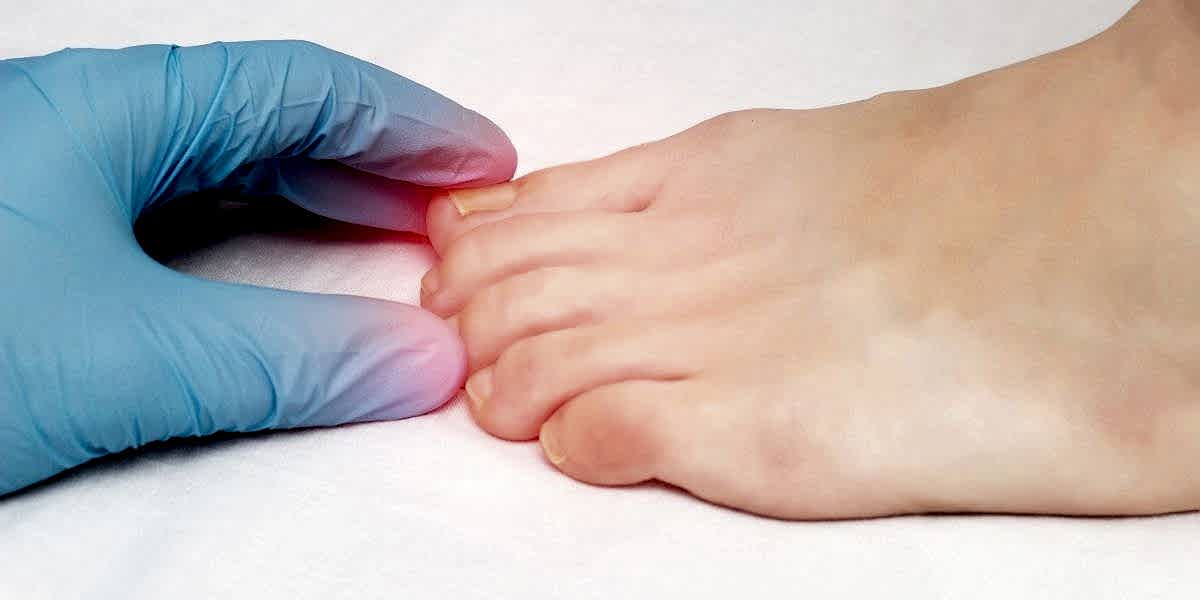
The callus treatment process typically begins with an initial assessment in the clinic to understand the severity and nature of the callus. This involves discussing the patient’s symptoms and medical history. The procedure generally includes careful removal or reduction of the thickened skin using specialized tools, emphasizing safety and precision.
During the examination, the physician evaluates the size, location, and potential causes of the callus. Factors such as the patient’s lifestyle and any underlying conditions are considered to determine the most appropriate course of action. I evaluate during the examination to ensure a comprehensive understanding of the patient’s needs and to develop a personalized treatment plan.
The application stage involves a controlled and meticulous approach to safely remove the callus while minimizing discomfort. In our clinic, we focus on individualized care to address each patient’s specific concerns. The treatment may include follow-up appointments to monitor progress and provide additional care if necessary, ensuring the best possible outcome for the patient’s skin health.
Understanding the Causes of Callus Formation
Calluses develop as a natural response to repeated friction or pressure on the skin. Common causes include wearing ill-fitting shoes, repeated physical activities, or abnormalities in foot structure. Identifying these causes is crucial for effective callus treatment, as addressing the underlying issue can prevent recurrence.

Personalized Treatment
Every individual’s skin and skin structure are unique. Therefore, Callus Treatment should be personalized for each person.

Sterile Clinical Environment
Callus Treatment must be performed under the supervision of a specialist physician and in a sterile clinical environment.

Treatment Tailored to Your Needs
In our clinic, the number of sessions is customized specifically for you, both for Callus Treatment and our other treatments.
Clinical Assessment for Callus Treatment
Before proceeding with treatment, a thorough clinical assessment is necessary. This involves evaluating the size, location, and severity of the callus. Understanding a patient’s medical history, including any conditions like diabetes that could affect healing, is essential for tailoring an appropriate treatment plan.
Available Callus Treatment Options in Clinical Settings
Clinicians have various methods to treat calluses effectively. These include:
- Debridement: The careful removal of hardened skin using a scalpel, performed by a healthcare professional.
- Prescription Medications: Application of topical creams containing salicylic acid to soften the callus.
- Orthotic Devices: Custom inserts designed to alleviate pressure and prevent further callus formation.
Factors Influencing Treatment Choice
The selection of an appropriate treatment method depends on several factors:
- Severity of the Callus: Larger or more painful calluses may require more intensive intervention.
- Patient Health Status: Underlying conditions such as diabetes may limit certain treatment options.
- Patient Lifestyle: Regular activities or occupational requirements might influence the treatment approach.
Expected Outcomes and Potential Risks of Callus Treatment
While callus treatment generally leads to relief from discomfort, understanding potential risks is important. Risks include infection, particularly if the skin is compromised, and recurrence if preventive measures are not implemented. Discussing these possibilities with a healthcare professional can help manage expectations and ensure informed decision-making.
Role of Post-Treatment Care in Callus Prevention
Effective post-treatment care is essential in preventing callus reformation. Recommended practices include:
- Wearing properly fitted footwear to reduce pressure points.
- Using padding or protective coverings to minimize friction.
- Regularly moisturizing the skin to maintain its elasticity and reduce the buildup of hardened skin.
When to Seek Medical Attention
While many calluses can be managed at home, certain situations require professional medical evaluation:
- If the callus becomes excessively painful or inflamed.
- If there is a potential infection, indicated by redness or pus.
- If there is an underlying health condition, such as diabetes, that could complicate healing.
| Feature | Description |
|---|---|
| Procedure Duration | 30 to 60 minutes |
| Duration of Effect | Varies, typically weeks to months |
| Recommended Number of Sessions | Depends on severity; usually 1-3 sessions |
| Side Effects | Redness, minor discomfort |
| Recovery Period | Immediate to a few days |
| Treatment Areas | Feet, hands |
Clinical Evaluation and Expert Approach
In the realm of dermatological care, clinical evaluation is a cornerstone, particularly when addressing concerns such as callus treatment. An effective evaluation considers the intricate anatomical structures and tissue characteristics unique to each individual. Dermatologists, such as Uzm.Dr. Ecem Cantürk Nazlı, employ their expertise to assess these variables, ensuring an approach tailored to the specific needs of the patient. The evaluation process is crucial for identifying subtle nuances in skin health and understanding the underlying factors contributing to the condition.
Expert perspective in dermatology involves a comprehensive understanding of skin type, existing dermatological conditions, and the impact of any previously applied procedures. Uzm.Dr. Ecem Cantürk Nazlı draws from her extensive experience to evaluate these factors, which is essential in formulating a personalized treatment plan. The goal is to achieve a long-term balance and maintain the health of the skin, underlining the importance of precision and care in the decision-making process.
Key Considerations in Clinical Decision-Making
- Assessment of anatomical structure and tissue characteristics
- Evaluation of skin type and existing dermatological conditions
- Review of previously applied procedures and their responses
- Consideration of long-term balance and maintenance requirements
Callus Treatment Prices
Callus treatment prices can vary significantly based on individual needs and circumstances. Each person’s foot structure and the severity of the callus can affect the cost, making a standard price impractical. A thorough clinical evaluation is necessary to determine the appropriate treatment plan and associated fee. For accurate pricing and tailored treatment options, we encourage you to contact the clinic directly. Our team is ready to assist you in finding the right solution for your specific needs.
Conclusion
Callus treatment addresses the common need for relief from discomfort and improved foot health. The process begins with an individualized evaluation, highlighting the importance of a thorough examination and the physician’s expert opinion. Uzm.Dr. Ecem Cantürk Nazlı emphasizes a clinical approach that is based on careful balance and assessment, ensuring each patient receives a tailored treatment plan. This personalized strategy not only optimizes outcomes but also underscores the necessity of professional guidance in achieving effective callus management.
Callus Treatment Frequently Asked Questions
Question: Is the callus treatment procedure painful?
Answer: The procedure is generally well tolerated with minimal discomfort. Some patients may experience slight sensitivity during treatment, but it is usually manageable. Consulting with Uzm.Dr. Ecem Cantürk Nazlı can provide further reassurance about the process.
Question: When will I notice the effects of callus treatment?
Answer: Improvements can often be seen shortly after the procedure, with the skin feeling smoother and more comfortable. However, the full benefits are typically realized over a few days as the skin continues to heal.
Question: How many sessions are typically required for callus treatment?
Answer: The number of sessions needed depends on the severity and recurrence of the callus. An initial consultation with Uzm.Dr. Ecem Cantürk Nazlı will help determine the appropriate treatment plan for your specific needs.
Question: Are there any potential side effects of callus treatment?
Answer: Side effects are generally minimal but may include temporary redness or sensitivity in the treated area. These effects are usually short-lived, and proper aftercare can further mitigate any discomfort.