

Eczema Treatment

Eczema Treatment, guided by Uzm.Dr. Ecem Cantürk Nazlı’s area of expertise, this procedure addresses the persistent skin issues associated with eczema. In Izmir, patients benefit from treatments that focus on skin quality and renewal, delivering both aesthetic and functional improvements. With a problem-oriented approach, individuals can achieve healthier skin, enhancing their overall quality of life.
The aim is to provide natural and balanced results that contribute positively to both physical and psychological well-being. Eczema treatments can lead to a sense of rejuvenation and recovery, which may significantly boost self-confidence. By fostering comfort and ease, these treatments offer a transformative experience for those affected by eczema.
What Is Eczema Treatment?
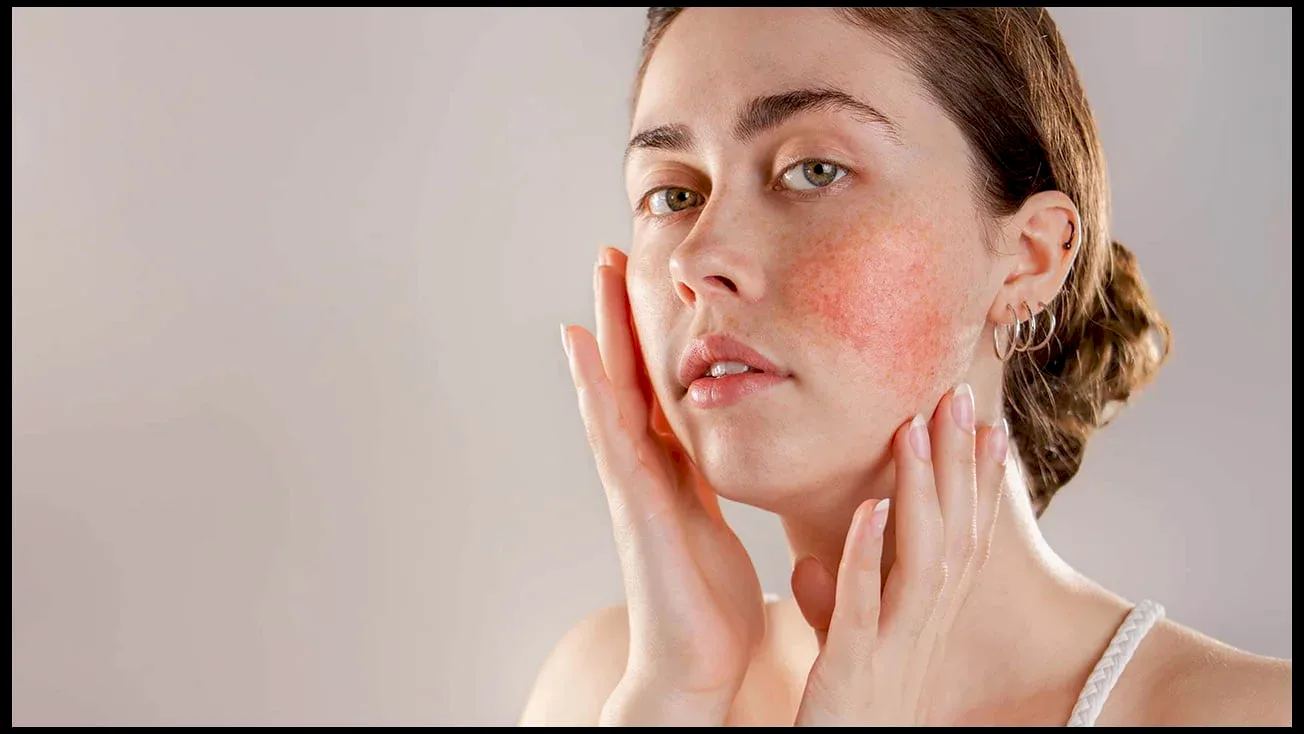
Eczema treatment is a medical approach designed to alleviate the symptoms and manage the chronic nature of eczema, a skin condition characterized by inflammation, itching, and redness. The treatment targets the affected skin areas, aiming to reduce flare-ups and improve skin health through various therapeutic methods.
Within the field of dermatology, eczema treatment is crucial for patients experiencing chronic skin conditions. Suitable for individuals with persistent eczema symptoms, the treatment is tailored based on the severity and specific needs of each patient. This individual evaluation ensures that the approach aligns with the person’s unique skin condition, offering a personalized management plan to enhance treatment effectiveness.
How Is Eczema Treatment Performed?
In our clinic, the eczema treatment process begins with a thorough assessment of the patient’s skin condition, focusing on the extent and severity of symptoms. The general process includes identifying triggers, recommending lifestyle changes, and prescribing topical or systemic medications tailored to the patient’s needs.
During the examination, I evaluate factors such as the patient’s medical history, lifestyle, and specific triggers contributing to their eczema. This comprehensive evaluation allows me to make informed decisions about the most appropriate treatment options, ensuring a personalized and effective management plan.
The application of eczema treatment involves a structured and individualized approach, where I combine various therapeutic interventions to optimize results. This may include the use of medicated creams, emollients, and, if necessary, systemic medications. By maintaining a controlled and adaptive approach, we aim to improve the patient’s quality of life by reducing symptoms and preventing future flare-ups.
Understanding the Types of Eczema Treatments
Eczema, a chronic inflammatory skin condition, can be addressed through various treatment modalities. Understanding the types of treatments available is crucial for effective management. These treatments are often categorized based on their application method and mechanism of action.
Topical Treatments
Topical treatments are commonly used for managing mild to moderate eczema. They include:
- Corticosteroids: These are anti-inflammatory medications that reduce redness and swelling.
- Calcineurin Inhibitors: These medications help modulate the immune response and are used for sensitive areas like the face.
- Moisturizers: Essential for maintaining skin hydration and barrier function.
Systemic Treatments
For severe cases or widespread eczema, systemic treatments might be necessary. These include:
- Oral Corticosteroids: Used for short-term flare control but not recommended for long-term use due to side effects.
- Immunosuppressants: Medications like cyclosporine may be prescribed to control severe symptoms.
- Biologics: Targeted therapies that modify specific pathways in the immune system.

Personalized Treatment
Every individual’s skin and skin structure are unique. Therefore, Eczema Treatment should be personalized for each person.

Sterile Clinical Environment
Eczema Treatment must be performed under the supervision of a specialist physician and in a sterile clinical environment.

Treatment Tailored to Your Needs
In our clinic, the number of sessions is customized specifically for you, both for Eczema Treatment and our other treatments.
Phototherapy as an Eczema Treatment Option
Phototherapy, or light therapy, is an effective treatment option for patients who do not respond well to topical treatments. This method involves exposing the skin to controlled amounts of natural or artificial light under medical supervision.
Types of Phototherapy
- UVB Therapy: Utilizes ultraviolet B light to reduce inflammation and itching.
- PUVA Therapy: Combines psoralen medication with UVA light, often used for more severe cases.
Considerations for Choosing Eczema Treatments
Selecting the right treatment for eczema involves considering several factors, including the patient’s age, the severity of symptoms, and any existing health conditions.
- Severity and Type of Eczema: Determines whether topical or systemic treatments are appropriate.
- Patient’s Age: Some treatments are not suitable for young children or elderly patients.
- Existing Health Conditions: Conditions like allergies or immune disorders may influence treatment choice.
Potential Side Effects of Eczema Treatments
Like any medical treatment, eczema therapies can have side effects. Understanding these can help in making informed decisions.
Common Side Effects
- Topical Steroids: Skin thinning or discoloration with prolonged use.
- Systemic Medications: Potential liver or kidney impact, especially with long-term use.
- Phototherapy: Risk of premature skin aging and increased risk of skin cancer with prolonged exposure.
Integrative Approaches to Eczema Management
Integrative approaches combine conventional medical treatments with complementary therapies to enhance overall efficacy. These may include dietary modifications, stress management techniques, and the use of probiotics.
Complementary Therapies
- Dietary Changes: Identifying and eliminating food triggers can reduce flare-ups.
- Stress Reduction: Techniques like meditation and yoga can help manage stress-related flare-ups.
- Probiotics: May support immune function and gut health, potentially reducing symptoms.
| Treatment | Procedure Duration | Recovery Period |
|---|---|---|
| Topical Corticosteroids | 5-10 minutes per application | No downtime |
| Phototherapy | 15-30 minutes per session | No downtime |
| Emollients | 5-10 minutes per application | No downtime |
| Biologic Injections | 15-30 minutes per injection | No downtime |
| Systemic Medications | Varies by medication type | Varies by medication type |
Expert Evaluation and Clinical Approach in Dermatology
In the realm of dermatology and medical aesthetics, a comprehensive clinical evaluation is essential to understand the underlying factors that influence skin conditions. This involves a detailed assessment of anatomical structures and tissue characteristics to tailor treatments that align with the individual’s unique dermatological needs. Such an evaluation allows for a nuanced approach, taking into account the intricate layers of the skin and how they respond to both intrinsic and extrinsic factors.
The expert perspective emphasizes the importance of considering skin type and existing dermatological conditions in the planning of treatment strategies. By evaluating how the skin has reacted to previously applied procedures, dermatologists can make informed decisions that aim to maintain long-term skin health and balance. This approach not only supports the achievement of desired outcomes but also fosters trust through a methodical and evidence-based process.
Key Considerations in Clinical Decision-Making
- Anatomical structure and tissue characteristics
- Skin type and existing dermatological conditions
- Previously applied procedures and responses
- Long-term balance and maintenance requirements
Eczema Treatment Prices
Eczema treatment costs can vary significantly based on individual needs and the specifics of each case. A thorough clinical evaluation is crucial to determine the appropriate treatment plan and associated fees. Since each patient’s condition and treatment requirements are unique, a standard price isn’t feasible. We encourage you to contact our clinic to schedule an evaluation, during which we can provide detailed information tailored to your situation and discuss the pricing structure. This personalized approach ensures that your treatment plan is both effective and aligned with your needs.
Conclusion
Eczema treatment addresses the critical need for relief from symptoms such as itching, inflammation, and discomfort, which significantly impact the quality of life. The decisive role in managing eczema effectively lies in individualized evaluation, where Uzm.Dr. Ecem Cantürk Nazlı’s expertise in Izmir ensures that each patient’s unique condition is thoroughly assessed. Through a comprehensive examination and the physician’s informed opinion, the treatment process is shaped to achieve optimal outcomes. This clinical approach emphasizes a balance of carefully selected therapies and ongoing assessment to manage and mitigate the effects of eczema effectively.
Eczema Treatment Frequently Asked Questions
Question: Is the eczema treatment procedure painful?
Answer: Eczema treatments typically involve topical medications and lifestyle adjustments, which are generally not painful. However, some patients may experience mild discomfort during certain procedures, which is usually temporary and manageable.
Question: How soon can I expect to see results from eczema treatment?
Answer: The timeline for noticing improvements can vary widely depending on the severity of the eczema and the treatment plan. Some patients may see initial relief within a few days, while others may require several weeks to notice significant changes.
Question: How many sessions are required for effective eczema management?
Answer: The number of sessions needed for managing eczema effectively can vary based on the individual’s condition and response to treatment. A personalized evaluation by Uzm.Dr. Ecem Cantürk Nazlı is essential to determine the most suitable treatment regimen.
Question: Are there any common side effects associated with eczema treatments?
Answer: While most eczema treatments are well-tolerated, some patients may experience mild side effects such as skin irritation or dryness. It is essential to discuss any concerns with your physician to ensure that the treatment plan is adjusted to minimize these effects.