

Capillary Vein Treatment
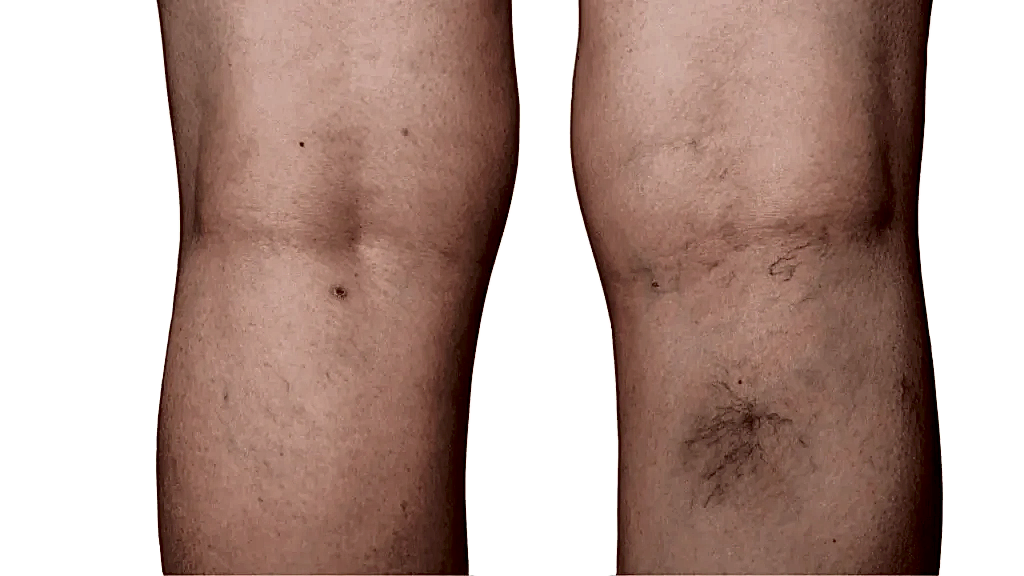
Capillary Vein Treatment, a procedure within Uzm. Dr. Ecem Cantürk Nazlı’s area of expertise, addresses the aesthetic and functional concerns associated with visible veins. In Izmir, patients can access this advanced treatment that enhances both the appearance and function of affected areas. The procedure’s key strengths include a focus on anatomical improvement and providing a permanent solution, resulting in a structural transformation that benefits patients aesthetically and functionally.
This treatment is designed to deliver natural and balanced results, contributing to both physical rejuvenation and psychological well-being. Patients often experience an increase in self-confidence, as the treatment promotes a sense of comfort and recovery. By prioritizing a problem-oriented approach, the procedure ensures that individual needs are met, facilitating a controlled and effective transformation that aligns with personal expectations and aesthetic goals.
What Is Capillary Vein Treatment?
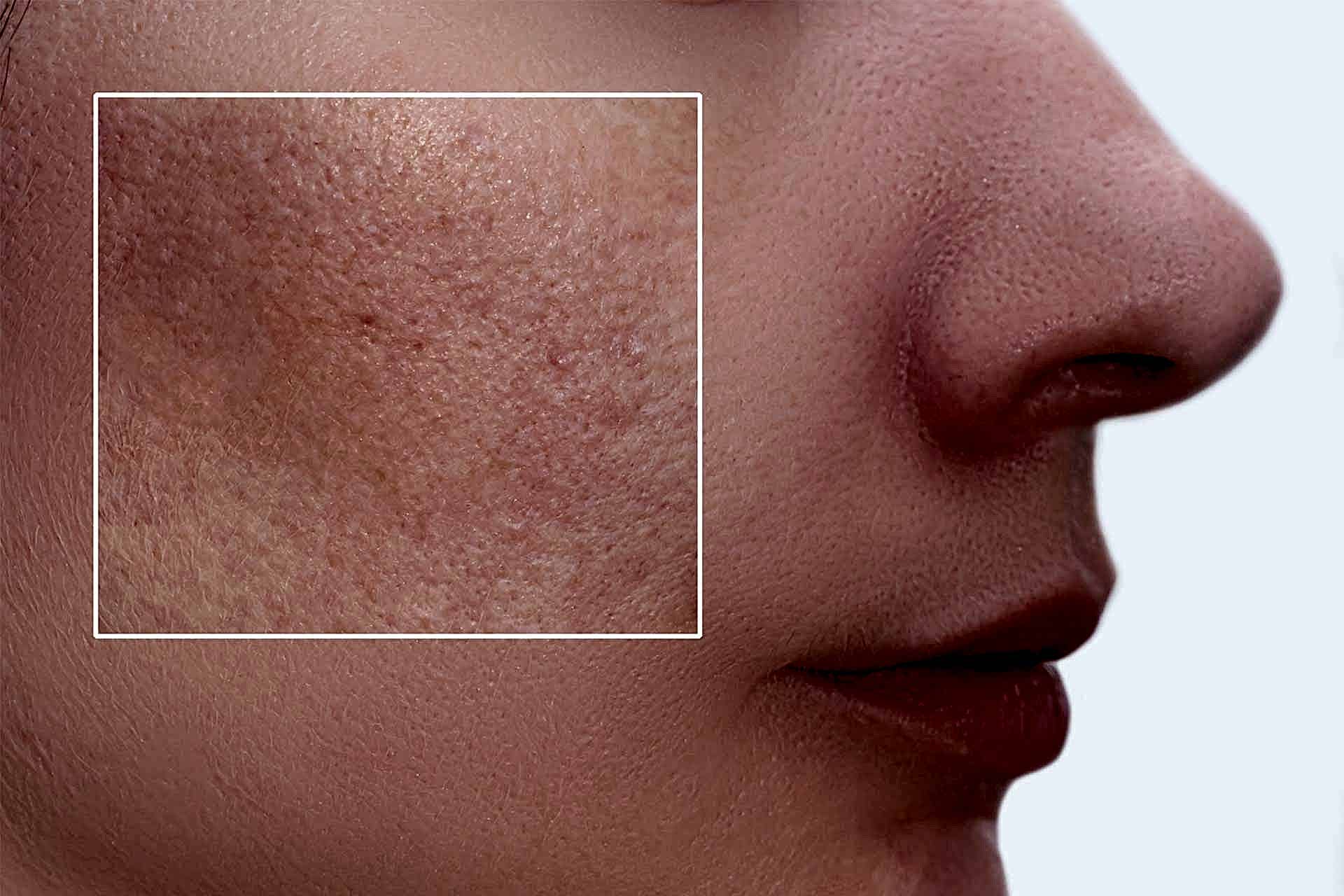
Capillary vein treatment is a medical procedure aimed at reducing the appearance of small, visible veins on the skin’s surface. These veins, often referred to as spider veins or telangiectasias, are commonly found on the face and legs. The treatment targets the vascular issues causing these veins, addressing both aesthetic concerns and underlying dermatological conditions.
Capillary vein treatment falls within the expertise of a dermatologist, such as Uzm. Dr. Ecem Cantürk Nazlı in Izmir. It may be suitable for patients experiencing cosmetic discomfort or health issues related to visible veins. The decision to undergo treatment is made on an individual basis, as factors like skin type, vein location, and overall health are considered during evaluation. This ensures that each patient receives a personalized approach that aligns with their specific needs.
How Is Capillary Vein Treatment Applied?
The process of capillary vein treatment in our clinic involves a series of steps tailored to each patient. Initially, the patient undergoes a consultation to determine the most appropriate treatment plan. This general framework ensures that the procedure is aligned with the patient’s specific aesthetic and medical requirements.
During the examination, I evaluate the severity and location of the visible veins. Considerations such as the patient’s skin type, overall health, and potential contraindications are crucial in forming an effective treatment strategy. This careful examination allows for an informed decision regarding the best course of action.
The application of capillary vein treatment is performed using advanced technologies like the BBL laser or Q-switched Nd:YAG laser, depending on the case specifics. Our approach is controlled and individualized, ensuring that each patient receives a safe and effective treatment. By customizing the procedure, we aim for optimal outcomes while minimizing potential risks.
Understanding the Different Types of Capillary Veins
Capillary veins, also known as spider veins, appear as small, thin lines that are typically red, purple, or blue. They can develop on various parts of the body but are most commonly found on the legs and face. Understanding the different types of capillary veins can help in determining the appropriate treatment options.
Telangiectasia
Telangiectasia are small, dilated blood vessels that can occur anywhere on the body but are frequently seen on the face around the nose, cheeks, and chin. They are often hereditary and can also be caused by sun exposure, rosacea, or other skin conditions.
Reticular Veins
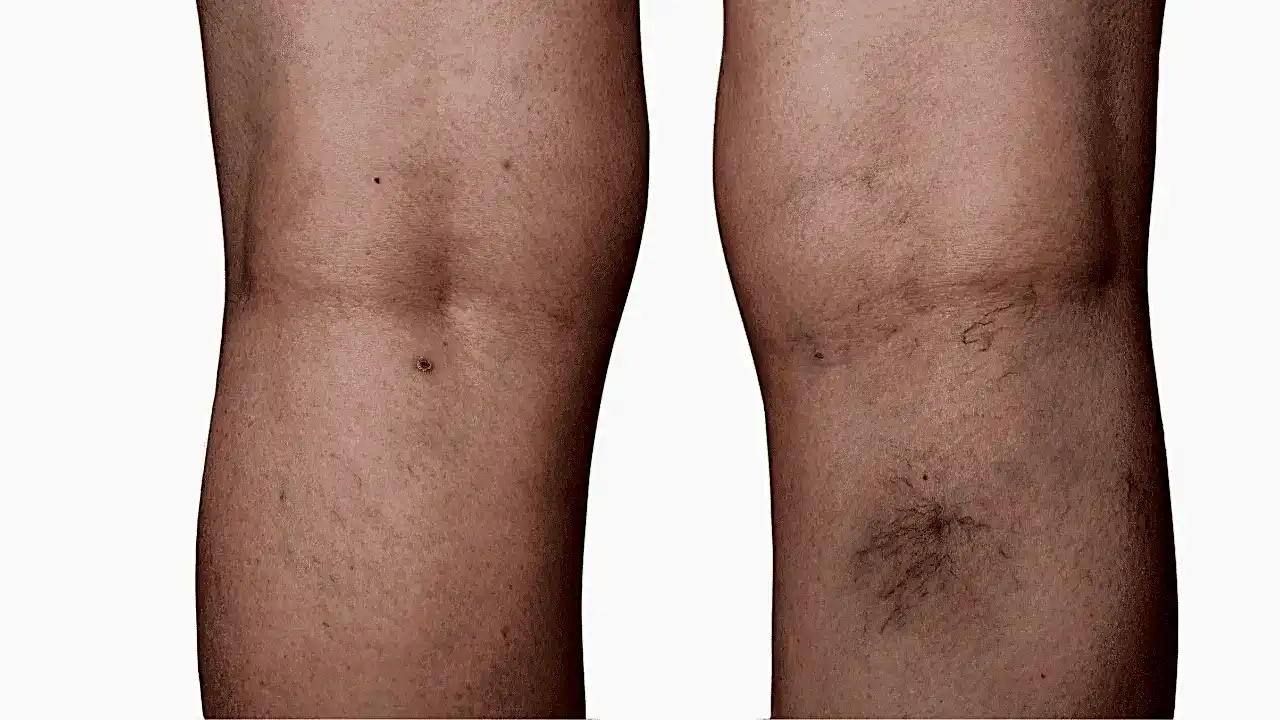
Reticular veins, also known as feeder veins, are slightly larger than spider veins and appear as greenish or bluish veins under the skin. They can contribute to the formation of spider veins and are often found on the legs.
Hemangiomas
Hemangiomas are benign tumors made up of blood vessels and can appear as red or purple marks on the skin. Although they are often present at birth, they can develop later in life and may require specific treatments if they cause discomfort or cosmetic concerns.

Personalized Treatment
Every individual’s skin and skin structure are unique. Therefore, Capillary Vein Treatment should be personalized for each person.

Sterile Clinical Environment
Capillary Vein Treatment must be performed under the supervision of a specialist physician and in a sterile clinical environment.

Treatment Tailored to Your Needs
In our clinic, the number of sessions is customized specifically for you, both for Capillary Vein Treatment and our other treatments.
Common Causes of Capillary Veins
Several factors can contribute to the development of capillary veins. Identifying these causes can aid in the prevention and management of this condition.
- Genetic Predisposition: A family history of vein problems can increase the likelihood of developing capillary veins.
- Hormonal Changes: Fluctuations in hormones during pregnancy, menopause, or due to birth control pills can affect vein health.
- Prolonged Standing or Sitting: Occupations that require long periods of standing or sitting can lead to increased pressure in the veins, contributing to their development.
- Sun Exposure: Excessive exposure to the sun can damage the skin and lead to the formation of spider veins, particularly on the face.
Techniques Used in Capillary Vein Treatment
Various medical techniques are utilized to treat capillary veins effectively. The choice of treatment depends on the severity and location of the veins.
Sclerotherapy
Sclerotherapy involves the injection of a solution directly into the affected veins, causing them to collapse and eventually fade away. This method is commonly used for treating veins in the legs.
Laser Therapy
Laser therapy uses focused light to target and destroy the veins. It is a popular choice for facial veins and smaller spider veins. The procedure is non-invasive and involves minimal discomfort.
Radiofrequency Ablation
Radiofrequency ablation uses heat generated by radio waves to close off faulty veins. This technique is effective for larger reticular veins and can be performed in an outpatient setting.
Benefits and Risks of Capillary Vein Treatments
Understanding the potential benefits and risks associated with capillary vein treatments is essential for making an informed decision.
- Benefits:
- Improved appearance and reduction in visible veins.
- Minimized discomfort and symptoms associated with problematic veins.
- Increased confidence and comfort in physical appearance.
- Risks:
- Temporary side effects such as bruising, swelling, or redness.
- Possible allergic reactions to treatment solutions or medications.
- In rare cases, complications such as skin discoloration or ulcers.
Factors Influencing Treatment Choice
Several factors influence the choice of treatment for capillary veins, and these should be carefully considered by both the patient and the healthcare provider.
- Severity and Location: The size and location of the veins determine the most suitable treatment method.
- Patient Health and Medical History: Existing health conditions and medications can affect treatment options.
- Desired Outcomes: Patients’ expectations and aesthetic goals play a significant role in treatment selection.
Post-Treatment Care and Recovery
Following a capillary vein treatment, proper care and recovery protocols are essential to achieve optimal results and minimize complications.
Immediate Aftercare
Patients may be advised to wear compression stockings to support vein closure and reduce swelling. Elevating the legs and avoiding strenuous activities can also aid in recovery.
Long-Term Maintenance
Maintaining a healthy lifestyle, including regular exercise and weight management, can help prevent the recurrence of capillary veins. Patients should also protect their skin from excessive sun exposure.
| Feature | Description |
|---|---|
| Procedure Duration | 15-30 minutes per session |
| Duration of Effect | Several months to a few years |
| Recommended Number of Sessions | 1-3 sessions |
| Side Effects | Redness, swelling, bruising |
| Recovery Period | 1-2 days |
| Treatment Areas | Legs, face, hands |
Clinical Evaluation and Expert Approach in Dermatological Treatments
In the clinical evaluation for dermatological treatments, it is essential to consider a comprehensive approach that involves analyzing anatomical structures and tissue characteristics. This evaluation helps in understanding the unique dermatological profile of each patient, ensuring that the treatment plan aligns with the patient’s specific anatomical and structural needs. Such an approach involves a thorough assessment of the skin’s health, texture, and underlying conditions, providing a foundation for a tailored treatment strategy.
Another critical aspect of expert evaluation is the consideration of skin type and existing dermatological conditions. This includes assessing any previously applied procedures and their outcomes, as well as understanding the long-term maintenance requirements for achieving balance and harmony in treatment results. By focusing on these variables, a dermatologist can ensure that each treatment plan is both effective and sustainable over time, adapting to the evolving needs of the patient’s skin and overall health.
Key Criteria in Clinical Decision-Making
- Anatomical structure and tissue characteristics
- Skin type and existing dermatological conditions
- Previously applied procedures and responses
- Long-term balance and maintenance requirements
Capillary Vein Treatment Price
Capillary vein treatment prices can vary significantly due to individual differences in treatment needs and the complexity of each case. Each person’s condition is unique, which means a standard price is not feasible. The fee for treatment is determined after a thorough clinical evaluation, ensuring that all personal variables are considered. For detailed information and to discuss your specific requirements, please contact the clinic directly. Our team is ready to assist you with any inquiries and to schedule a consultation.
Conclusion
Capillary Vein Treatment is designed to address issues related to visible capillary veins, enhancing skin appearance and comfort. The procedure’s success largely depends on a personalized evaluation conducted by a qualified physician. Uzm. Dr. Ecem Cantürk Nazlı emphasizes the importance of a thorough examination and professional opinion to tailor the treatment to each patient’s unique needs. This clinical approach, grounded in careful balance and assessment, ensures that patients in Izmir receive care that aligns with their specific medical circumstances.
Capillary Vein Treatment Frequently Asked Questions
Question: Is the procedure painful?
Answer: Most patients report minimal discomfort during Capillary Vein Treatment. Depending on individual sensitivity, some may experience a mild stinging sensation, but it is generally well-tolerated.
Question: When will the effects be noticeable?
Answer: The effects of Capillary Vein Treatment can typically be observed within a few weeks. However, complete results may take several months as the body gradually absorbs the treated veins.
Question: How soon can I return to daily activities after the treatment?
Answer: Patients can usually resume their daily activities immediately following the procedure. It is advisable to follow any specific aftercare instructions provided by the physician to ensure optimal recovery.
Question: How many sessions are typically required?
Answer: The number of sessions needed varies based on the extent of the capillary veins and individual response to treatment. Consultation with a physician will provide a tailored treatment plan.