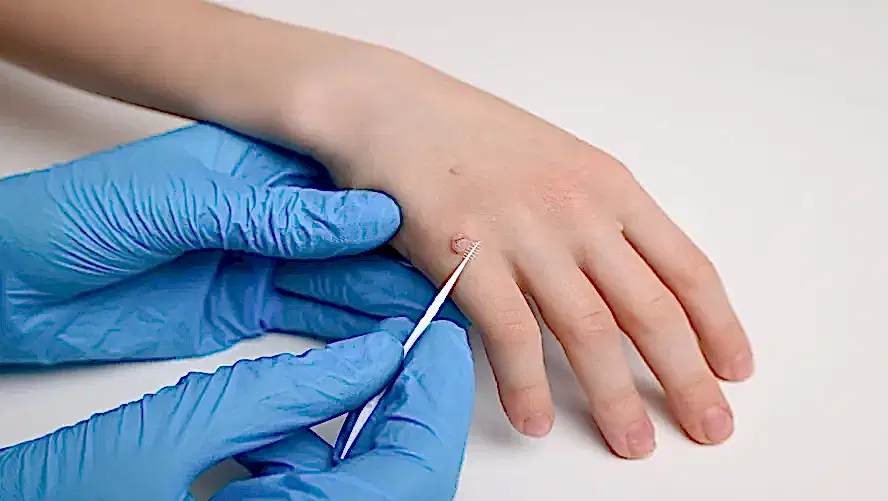


HPV Treatment
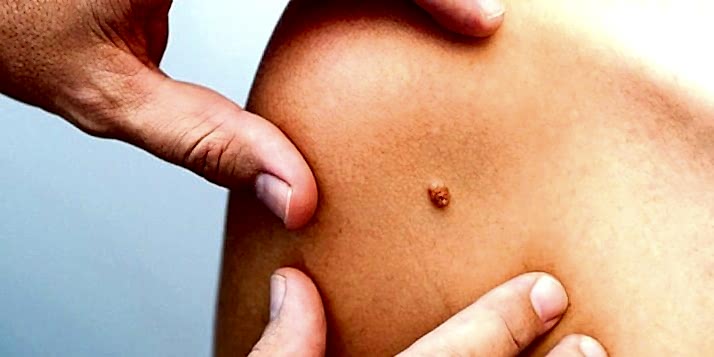
HPV Treatment, a crucial aspect of Uzm.Dr. Ecem Cantürk Nazlı’s area of expertise, this procedure addresses skin quality and renewal by enhancing both aesthetic and functional aspects. In Izmir, patients benefit from a problem-oriented approach that targets specific skin concerns, leading to significant improvements in overall skin health and appearance. The treatment offers a blend of professional care and advanced techniques, promoting a balanced and rejuvenated look.
Patients often perceive the results of HPV Treatment as natural and balanced, contributing positively to both physical appearance and psychological well-being. The procedure aims for skin rejuvenation and comfort, fostering a noticeable increase in self-confidence. Through a controlled and precise application, patients experience a sense of renewal and improvement, aligning with their personal aesthetic goals.
What Is HPV Treatment?
HPV treatment is a medical intervention aimed at managing the symptoms and complications associated with the human papillomavirus infection, which affects the skin and mucous membranes. The primary goal is to reduce the risk of further transmission and alleviate the physical manifestations such as warts. HPV treatment targets the viral lesions to prevent progression and improve the patient’s quality of life.
In the field of dermatology, HPV treatment is integral for patients experiencing skin-related symptoms. It is particularly suitable for individuals with visible warts or those at risk of complications due to HPV. Treatment choice depends on individual factors such as the type and location of warts. Each case is evaluated individually to tailor the approach, ensuring it aligns with the patient’s specific medical needs and circumstances.
How Is HPV Treatment Performed?
The general process of HPV treatment in a clinical setting involves an initial consultation where the affected areas are assessed by a healthcare professional. The framework of the treatment includes evaluating the type of lesions and considering the patient’s overall health. The treatment aims to manage symptoms effectively while minimizing side effects.
During the examination, a thorough evaluation is performed to determine the most appropriate treatment strategy. The physician considers factors such as the location, size, and number of lesions, as well as the patient’s medical history. This assessment is crucial in forming a treatment plan that is tailored to the patient’s unique situation.
Application of the treatment involves a controlled approach that may include topical agents, cryotherapy, or surgical removal, depending on the specific case. In our clinic, we prioritize an individualized approach, ensuring each treatment is adapted to meet the patient’s needs. This personalized care is essential for achieving the best possible outcomes in managing HPV-related symptoms.
Common Types of HPV Treatments
Human Papillomavirus (HPV) treatments vary based on the type and severity of the infection. Clinical interventions are designed to manage symptoms and reduce the risk of complications. Understanding the common types of treatments available can help in deciding the best approach for managing HPV.
Topical Treatments
Topical treatments involve applying medication directly to the affected area. These are often used for external genital warts caused by HPV. Some of the commonly prescribed topical treatments include:
- Imiquimod cream, which helps boost the immune system to fight the virus.
- Podophyllin resin, a plant-based compound applied by healthcare providers.
- Trichloroacetic acid (TCA), which works by chemically burning off warts.
Procedural Interventions
In cases where topical treatments are ineffective, procedural interventions might be necessary. These are typically performed in clinical settings and include:
- Cryotherapy, which utilizes extreme cold to freeze and remove warts.
- Electrosurgery, involving the use of high-frequency electrical currents to excise warts.
- Laser therapy, which targets and vaporizes wart tissue with precision.

Personalized Treatment
Every individual’s skin and skin structure are unique. Therefore, HPV Treatment should be personalized for each person.

Sterile Clinical Environment
HPV Treatment must be performed under the supervision of a specialist physician and in a sterile clinical environment.

Treatment Tailored to Your Needs
In our clinic, the number of sessions is customized specifically for you, both for HPV Treatment and our other treatments.
Potential Side Effects and Risks of HPV Treatments
While HPV treatments are generally safe, they can sometimes cause side effects. Patients should be aware of these possible outcomes to make informed decisions about their care.
Topical Treatment Side Effects
- Localized skin irritation, such as redness or itching.
- Temporary discoloration of the treated area.
- Potential allergic reactions.
Procedural Treatment Risks
- Scarring or changes in skin texture.
- Pain or discomfort during and after the procedure.
- Risk of infection if post-procedure care is not followed.
Factors Influencing Treatment Selection
Several factors influence the choice of HPV treatment, which should be considered to tailor the approach to the patient’s specific needs.
- The location and number of warts present.
- Patient’s overall health and medical history.
- Potential for side effects and patient tolerance.
- Cost and availability of different treatment options.
The Role of Vaccination in HPV Management
HPV vaccination plays a crucial role in reducing the prevalence of HPV-related diseases. While not a treatment for existing infections, vaccination can prevent new infections and reduce the risk of HPV-related cancers.
Vaccines are recommended for preteens, but can also be administered to older individuals who have not yet been vaccinated. Consultation with a healthcare provider can help determine the appropriate vaccination schedule.
Post-Procedure Care and Recovery
Following HPV treatment, proper aftercare is essential to ensure healing and minimize complications. Patients are advised to adhere to specific guidelines provided by their healthcare provider.
Essential Post-Treatment Tips
- Avoiding sexual activity until the treated area has fully healed.
- Keeping the area clean and dry to prevent infection.
- Monitoring for any signs of complications, such as excessive pain or unusual discharge, and contacting a healthcare provider if they occur.
| Feature | Description |
|---|---|
| Procedure Duration | Typically 15-30 minutes per session |
| Recommended Number of Sessions | Varies based on individual case; often multiple sessions required |
| Duration of Effect | Long-term management; regular follow-up needed |
| Side Effects | Mild discomfort, redness, or swelling at treatment site |
| Recovery Period | Minimal downtime; normal activities can often be resumed immediately |
| Treatment Areas | Commonly affected genital and anal areas |
Clinical Evaluation and Expert Approach in Treatment Planning
In the realm of dermatology and medical aesthetics, a comprehensive clinical evaluation is pivotal for tailoring treatment strategies that address each patient’s unique needs. Expert practitioners, such as {{doktor_brans}} {{doktor_adi}} in {{şehir}}, analyze a variety of anatomical and dermatological factors to determine the most suitable course of action. This evaluation involves a detailed assessment of the patient’s skin type, existing dermatological conditions, and any prior treatments that may influence the current approach.
By focusing on anatomical structures and tissue characteristics, practitioners can make informed decisions that align with the patient’s specific physiological requirements. This expert perspective ensures that treatment plans are not only effective but also considerate of long-term maintenance and balance. The goal is to develop a holistic strategy that accommodates the distinct needs of each patient, promoting healthy skin and aesthetic harmony.
Key Factors in Clinical Decision-Making
- Anatomical structure and tissue characteristics
- Skin type and existing dermatological conditions
- Previously applied procedures and responses
- Long-term balance and maintenance requirements
HPV Treatment Prices
Understanding that each patient’s needs are unique, HPV treatment prices can vary significantly based on individual circumstances. Factors such as the complexity of the condition and specific treatment requirements play a crucial role in determining the final cost. Therefore, a thorough clinical evaluation is essential to establish a personalized treatment plan and corresponding fee. For precise information and to discuss your specific needs, we encourage you to contact our clinic directly, where our team will provide guidance tailored to your situation.
Conclusion
The HPV treatment procedure addresses the need for managing human papillomavirus infections, focusing on mitigating symptoms and reducing transmission risks. Individualized evaluation by a qualified physician, such as Uzm.Dr. Ecem Cantürk Nazlı, plays a decisive role in tailoring the treatment to the specific needs of each patient. Through comprehensive examination and expert opinion, the treatment process is carefully shaped, ensuring a balanced and thorough clinical approach. This personalized method underscores the importance of professional assessment in achieving optimal outcomes.
HPV Treatment Frequently Asked Questions
Question: Is the HPV treatment procedure painful?
Answer: The level of discomfort experienced during HPV treatment can vary depending on the method used and the individual’s pain threshold. Generally, most patients report mild discomfort, and local anesthetics may be utilized to minimize any pain.
Question: How soon can one notice the effects of HPV treatment?
Answer: The timeline for noticing effects can vary based on the treatment type and individual response. Generally, improvements in symptoms may be observed within a few weeks, although complete results can take longer.
Question: How many sessions of HPV treatment are typically required?
Answer: The number of sessions required for effective HPV treatment can vary significantly depending on the treatment modality and the individual’s condition. A healthcare provider like Uzm.Dr. Ecem Cantürk Nazlı will determine the appropriate number of sessions based on a personalized evaluation.
Question: Are there any possible side effects of HPV treatment?
Answer: Potential side effects of HPV treatment can include mild skin irritation, redness, or swelling at the treatment site. These effects are generally temporary, and patients are advised to discuss any concerns with their healthcare provider.