
Periorbital Rejuvenation
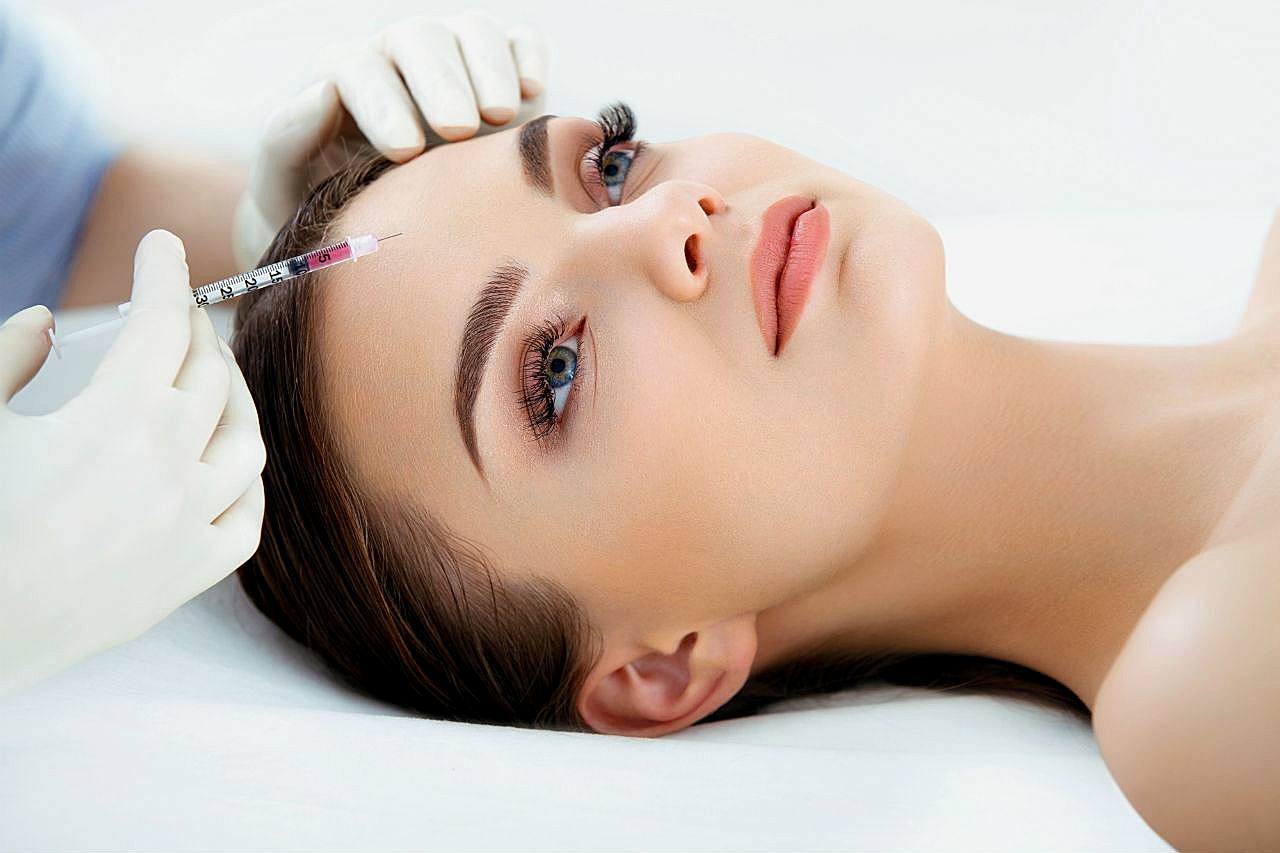
Periorbital Rejuvenation, under the expertise of Uzm.Dr. Ecem Cantürk Nazlı, addresses the delicate skin around the eyes, offering both aesthetic and functional enhancements. This procedure can significantly improve anatomical features or enhance skin quality, depending on the chosen method. In Izmir, patients can expect a professional and compassionate approach to achieving a refreshed and youthful appearance.
Natural and balanced results are a hallmark of this rejuvenation process, fostering both physical renewal and psychological well-being. Patients often experience increased self-confidence and comfort as the procedure subtly enhances their natural beauty, ensuring that the improvements are as harmonious as they are effective.
What Is Periorbital Rejuvenation?
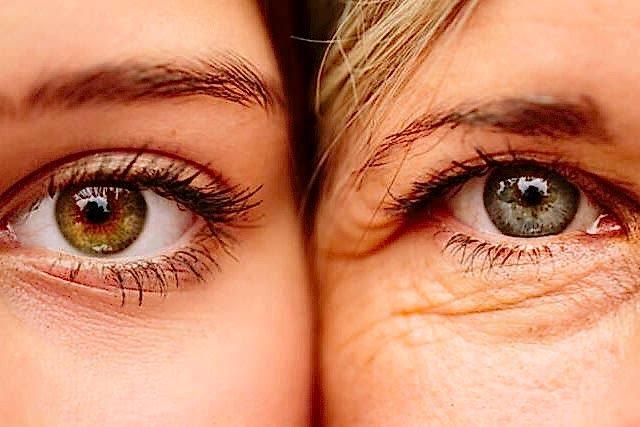
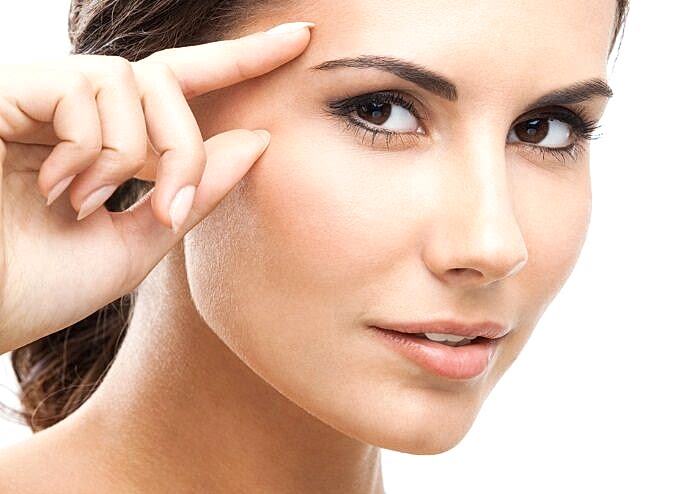
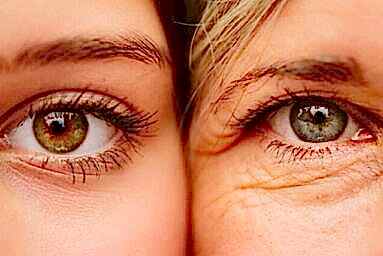
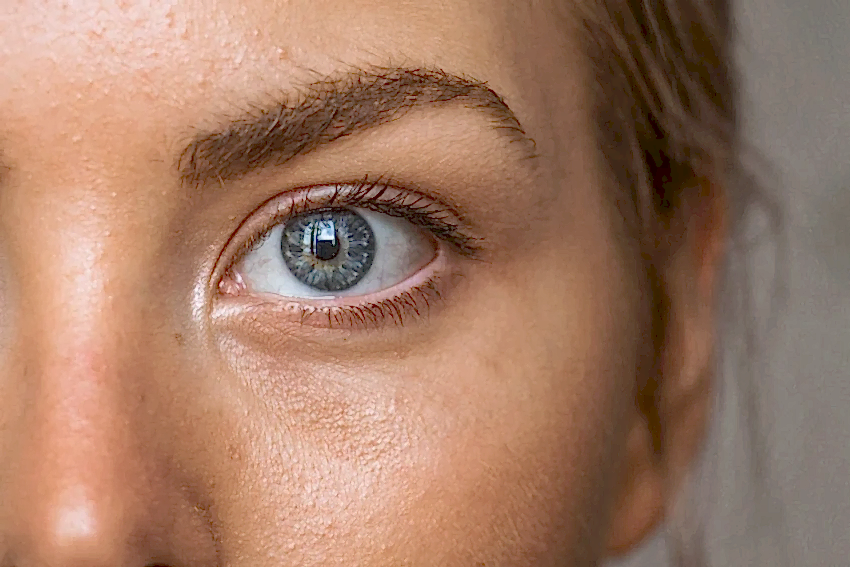
Periorbital rejuvenation is a comprehensive aesthetic treatment that targets the eye area to reduce signs of aging such as wrinkles, puffiness, and dark circles. This procedure focuses on enhancing the overall appearance of the periorbital region, which includes the upper and lower eyelids and the surrounding skin. By addressing these concerns, periorbital rejuvenation aims to restore a more youthful and refreshed look to the eyes.
In the field of dermatology, periorbital rejuvenation is an important procedure that can benefit various patient groups seeking cosmetic enhancements. It may be suitable for individuals experiencing age-related changes or those who wish to improve the aesthetic appearance of their eye area. Personalized evaluation is crucial, as the treatment plan must be tailored to the specific needs and conditions of each patient. This individualized approach ensures optimal results while maintaining the health and integrity of the skin.
How Is Periorbital Rejuvenation Applied?
The application of periorbital rejuvenation in our clinic involves a series of carefully planned steps to achieve the desired cosmetic outcomes. Initially, the process begins with a comprehensive consultation to understand the patient’s concerns and expectations. This is followed by an assessment of the periorbital area to determine the most suitable treatment options tailored to individual needs.
During the examination phase, I evaluate the skin’s condition, elasticity, and any underlying issues that may affect the treatment’s outcome. Decisions are made based on a thorough understanding of the patient’s unique characteristics and aesthetic goals, ensuring a personalized approach. This detailed evaluation allows for a tailored plan that addresses specific concerns effectively.
In our clinic, the application of periorbital rejuvenation may involve advanced techniques that are carefully selected to suit each patient’s needs. A controlled approach is taken to ensure safety and effectiveness. The procedure may utilize devices such as the Morpheus8 or fractional laser, depending on the individual’s requirements. This meticulous and individualized approach ensures that each treatment session is optimized for the best possible aesthetic results.
Common Techniques in Periorbital Rejuvenation
Periorbital rejuvenation encompasses a variety of techniques designed to restore a youthful appearance to the eye area. Understanding these methods can help in choosing the most appropriate treatment.
Non-Surgical Options
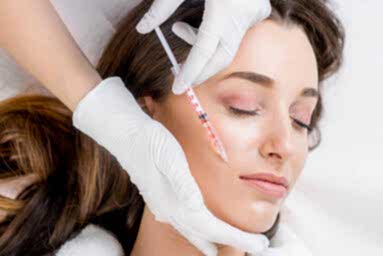
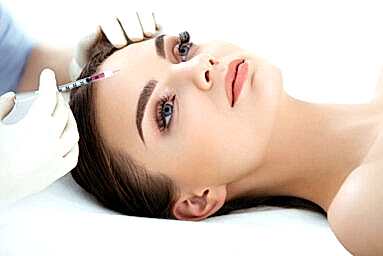
- Botulinum Toxin Injections: Used to relax dynamic wrinkles, such as crow’s feet, by temporarily paralyzing the underlying muscles.
- Dermal Fillers: Hyaluronic acid-based fillers can restore volume and smooth out fine lines and wrinkles around the eyes.
- Chemical Peels: These treatments improve skin texture and reduce pigmentation issues by removing the damaged outer layers of skin.
Surgical Options
- Blepharoplasty: A surgical procedure that removes excess skin and fat from the eyelids to correct droopiness and puffiness.
- Fat Grafting: Involves transferring fat from another part of the body to the periorbital area to restore volume.
- Eyelid Lift: Tightens and lifts the skin around the eyes to provide a more alert and youthful appearance.

Personalized Treatment
Every individual’s skin and skin structure are unique. Therefore, Periorbital Rejuvenation should be personalized for each person.

Sterile Clinical Environment
Periorbital Rejuvenation must be performed under the supervision of a specialist physician and in a sterile clinical environment.

Treatment Tailored to Your Needs
In our clinic, the number of sessions is customized specifically for you, both for Periorbital Rejuvenation and our other treatments.
Post-Procedure Recovery and Care
The recovery process after periorbital rejuvenation varies depending on the type of procedure performed. Proper care is crucial to ensure optimal healing and results.
Immediate Aftercare
- Avoid Strenuous Activities: Patients should refrain from heavy exercise or lifting for at least a week.
- Follow Medical Advice: Adhere to prescribed medications and follow-up appointments to monitor healing.
- Rest and Elevate: Keeping the head elevated helps reduce swelling and promotes faster recovery.
Long-term Care
- Sun Protection: Use sunscreen and wear sunglasses to protect the delicate skin around the eyes from UV damage.
- Skincare Routine: Maintain a consistent skincare routine to prolong the effects of the procedure.
- Regular Follow-ups: Schedule routine check-ups to assess the longevity of the results and address any concerns.
Potential Risks and Complications
While periorbital rejuvenation is generally safe, patients should be aware of potential risks and complications associated with these procedures.
- Infection: As with any procedure that breaks the skin, there is a risk of infection.
- Bruising and Swelling: Temporary bruising and swelling are common but usually resolve within a few weeks.
- Asymmetry: There is a risk of asymmetrical results, which may require additional procedures to correct.
Suitability for Different Age Groups
Periorbital rejuvenation is suitable for a wide range of age groups, each with specific needs and concerns. Understanding these can guide appropriate treatment choices.
Young Adults (20s-30s)
For younger patients, non-invasive options like botulinum toxin and chemical peels can effectively address early signs of aging.
Middle-Aged Adults (40s-50s)
Middle-aged individuals may benefit from a combination of surgical and non-surgical interventions to address more pronounced aging signs.
Older Adults (60s and Above)
In older adults, surgical options such as blepharoplasty may be necessary to achieve desired results due to more advanced skin laxity and volume loss.
Role of Skin Type in Treatment Selection
The type and condition of a patient’s skin play a significant role in determining the appropriate periorbital rejuvenation treatments.
- Oily Skin: May benefit from chemical peels to reduce excess oil and improve texture.
- Dry Skin: Hydrating fillers and moisturizing aftercare are crucial for maintaining skin health post-procedure.
- Sensitive Skin: Requires gentle treatments and careful product selection to avoid irritation.
| Feature | Description |
|---|---|
| Procedure Duration | 30 to 60 minutes |
| Duration of Effect | 6 to 12 months |
| Recommended Sessions | 1 to 3 sessions |
| Side Effects | Swelling, redness, bruising |
| Recovery Period | 1 to 2 days |
| Treatment Areas | Upper eyelids, lower eyelids, crow’s feet |
Comprehensive Clinical Evaluation and Strategic Planning
In the realm of dermatology and medical aesthetics, a thorough clinical evaluation is essential to crafting a personalized treatment plan. This evaluation involves a detailed assessment of the anatomical structures around the periorbital region, taking into consideration the unique tissue characteristics and how they influence the overall aesthetic outcome. The focus is on understanding the interplay between the skin’s structural integrity and its underlying support system, as these factors are pivotal in determining the most suitable approach for rejuvenation.
Expert perspective is crucial in recognizing the subtle nuances of each patient’s dermatological and anatomical profile. Evaluations are conducted with a keen eye on the patient’s skin type, any existing dermatological conditions, and the history of previously applied procedures and their outcomes. This comprehensive understanding allows for the strategic planning of interventions that not only address immediate concerns but also contribute to the long-term maintenance of skin health and aesthetics.
Key Factors in Clinical Decision-Making
- Assessment of anatomical structure and tissue characteristics
- Evaluation of skin type and existing dermatological conditions
- Review of previously applied procedures and their responses
- Consideration of long-term balance and maintenance requirements
Periorbital Rejuvenation Prices
Periorbital rejuvenation prices can vary significantly due to individual factors such as unique facial structure and specific treatment needs. Since each person’s requirements differ, a standard price cannot be offered. The fee for this procedure is determined after a comprehensive clinical evaluation, which ensures that the treatment plan is tailored to your specific goals and conditions. For detailed and personalized pricing information, we encourage you to contact our clinic directly, where our team will be happy to assist you further.
Conclusion
Periorbital rejuvenation effectively addresses concerns such as fine lines, wrinkles, and volume loss around the eyes, providing a refreshed and youthful appearance. The procedure’s success hinges on an individualized evaluation, where each patient’s unique anatomical and aesthetic needs are carefully assessed. As emphasized by Uzm.Dr. Ecem Cantürk Nazlı, thorough examination and the physician’s expert opinion are crucial in shaping a tailored treatment plan. This clinical approach ensures a balanced and well-considered outcome, prioritizing patient safety and satisfaction.
Periorbital Rejuvenation Frequently Asked Questions
Question: Is the periorbital rejuvenation procedure painful?
Answer: Most patients report minimal discomfort during the periorbital rejuvenation procedure. The use of topical anesthetics and advanced techniques helps in ensuring a comfortable experience.
Question: When will I notice the effects of periorbital rejuvenation?
Answer: The effects of periorbital rejuvenation can often be seen shortly after the procedure, with improvements continuing over the following weeks. The timeline for noticeable results may vary depending on the specific treatment used.
Question: How soon can I return to my daily activities after the procedure?
Answer: Recovery time varies, but most patients can resume their daily activities within a few days. It’s advisable to follow the post-procedure care instructions provided by your physician to facilitate optimal healing.
Question: What are the possible side effects of periorbital rejuvenation?
Answer: Potential side effects may include mild swelling, bruising, or redness at the treatment site. These effects are generally temporary and resolve within a few days. Your physician will discuss these with you during the consultation.