

Laser Pigmentation Treatment

Lazer treatment for pigmentation is considered an effective method for reducing discoloration, dark spots, and uneven skin tone that develop on the skin over time. The use of laser technology in aesthetic medicine has shown significant advancements in recent years. This treatment method is commonly preferred for addressing skin concerns such as sun spots, age spots, and acne-related pigmentation. Laser applications aimed at skin renewal and rejuvenation have become an essential part of dermatology and aesthetic medicine.
Laser treatment works by targeting problematic areas on the skin surface while minimizing damage to the surrounding tissue. As a result, the skin may achieve a more even tone and smoother appearance. Since laser pigmentation treatment is a minimally invasive procedure, it offers a relatively short recovery period. So, how does laser treatment work, and which types of skin pigmentation is it suitable for? These are among the most common questions patients ask before starting treatment.
Today, aesthetic treatments help individuals feel better about themselves and improve their overall quality of life. Laser pigmentation treatment stands out among these options as a reliable and effective solution. Considering this method to enhance your skin health and appearance can be a valuable investment in yourself.
What Is Laser Pigmentation Treatment?
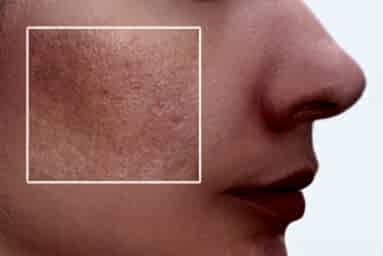
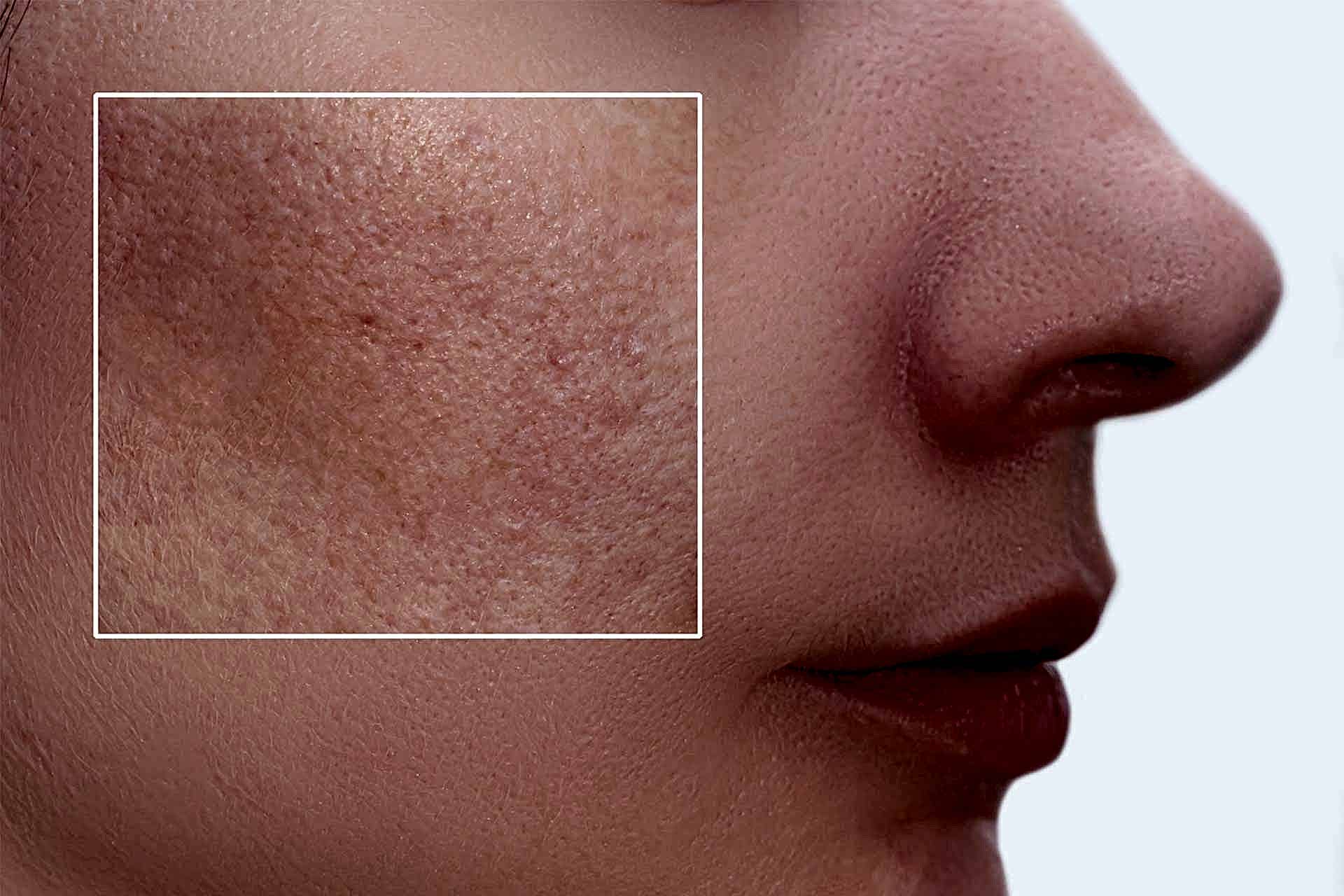
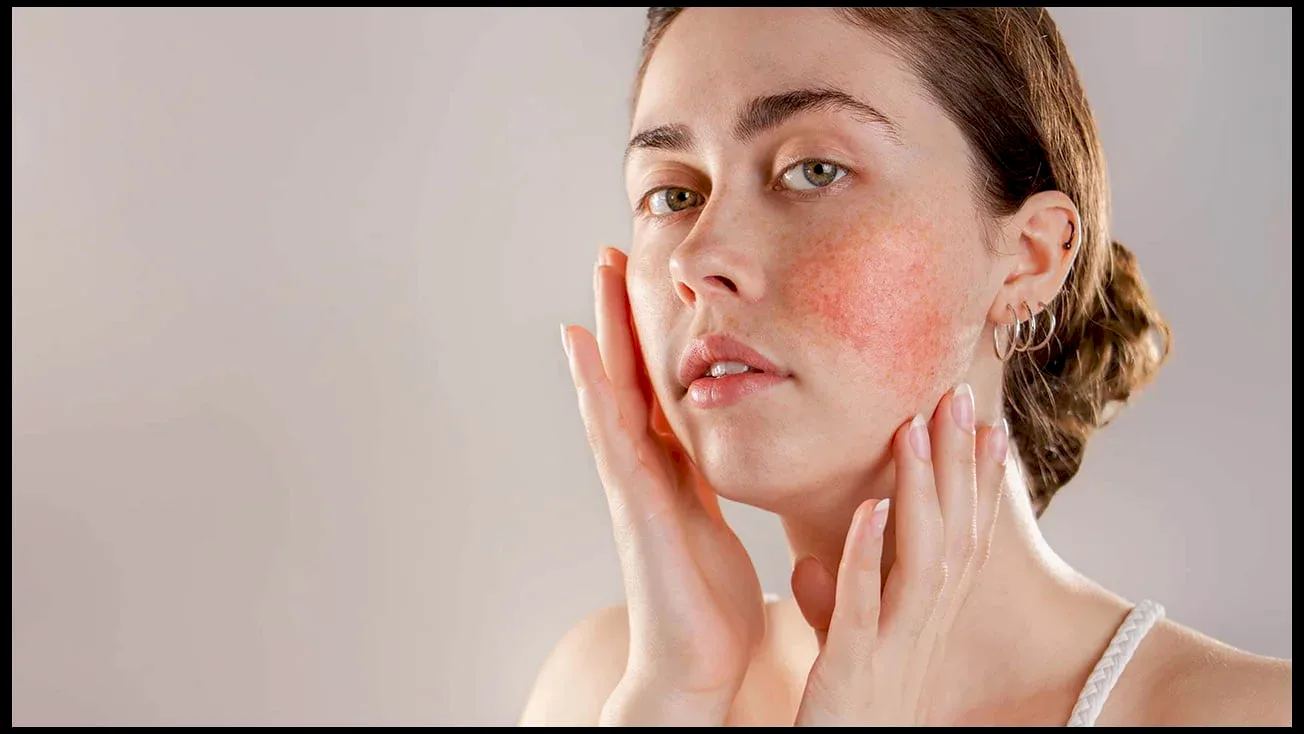
Laser pigmentation treatment is a dermatological procedure designed to reduce dark spots, uneven skin tone, and pigmentation irregularities on the skin. This treatment is based on the principle of targeting melanin pigment using focused laser energy delivered to specific layers of the skin. Melanin is the pigment responsible for skin color and may accumulate due to sun exposure, hormonal changes, or aging, leading to visible skin spots.
Laser technology targets these pigment accumulations to help even out skin tone and achieve a more uniform appearance. The treatment is commonly applied to areas frequently exposed to the sun, such as the face, hands, and décolletage. Laser pigmentation treatment is considered effective for various skin types and pigmentation concerns; however, treatment outcomes may vary from person to person. Therefore, evaluation by a qualified dermatologist is essential. 💡
How Is Laser Pigmentation Treatment Performed?
Laser pigmentation treatment begins with an assessment of the patient’s skin type and the nature of the pigmentation. The dermatologist examines the treatment area and determines the most appropriate laser system to use. During the procedure, laser energy is directed onto the skin, allowing specific wavelengths of light to penetrate the upper layers. These wavelengths target melanin pigment, breaking it down so it can be naturally eliminated by the body.
Treatment is typically performed over multiple sessions, with intervals between sessions to allow the skin to heal. The number of sessions required depends on the depth of the pigmentation and individual skin characteristics. After treatment, mild redness or sensitivity may occur, but these effects are usually temporary. Using sunscreen during and after the treatment period is crucial to protect the skin. Results are generally long-lasting; however, sun protection is essential to prevent new pigmentation from forming.
The Effect of Laser Technology on Skin Pigmentation
Laser technology is widely used in the treatment of skin pigmentation. It works by targeting melanin pigment to lighten dark spots and discoloration. Laser energy penetrates the deeper layers of the skin and acts at a cellular level, resulting in noticeable improvement in the appearance of pigmentation.
Types of Lasers and Their Functions
Laser systems commonly used for pigmentation treatment include Q-switched lasers, fractional lasers, and IPL devices. Q-switched lasers are particularly effective for darker spots. Fractional lasers support skin regeneration and help reduce pigmentation, while IPL systems offer effective treatment over larger areas.

Personalized Treatment
Every individual’s skin and skin structure are unique. Therefore, Laser Pigmentation Treatment should be personalized for each person.

Sterile Clinical Environment
Laser Pigmentation Treatment must be performed under the supervision of a specialist physician and in a sterile clinical environment.

Treatment Tailored to Your Needs
In our clinic, the number of sessions is customized specifically for you, both for Laser Pigmentation Treatment and our other treatments.
Treatment Process and Number of Sessions
Laser pigmentation treatment is usually performed over several sessions. The number of sessions required depends on the type of pigmentation and skin structure. Sessions are generally spaced 3–4 weeks apart to allow proper skin regeneration.
What to Expect During the Session
During the procedure, a mild burning or tingling sensation may be felt as the laser energy interacts with the skin. Temporary redness or slight swelling may occur afterward, but these effects typically resolve within a short period.
Recovery Process and Post-Treatment Care
The recovery process after laser treatment varies depending on skin type and the treated area. Mild redness or peeling may occur for a few days. Protecting the skin from sun exposure during this period helps speed up healing and prevents the formation of new pigmentation.
At-Home Care Recommendations
Using moisturizers during the recovery period is important. Antioxidant-based skincare products may be recommended to reduce sensitivity. Sunscreen use is essential to protect the skin from UV damage.
Side Effects and Risks of Laser Treatment
Although laser treatment is generally considered safe, some side effects may occur. These include redness, swelling, crusting, and in rare cases, hyperpigmentation or hypopigmentation. Therefore, evaluation by an experienced dermatologist before treatment is important.
Minimizing Side Effects
Proper pre- and post-treatment care significantly reduces the risk of side effects. Treatments performed by experienced professionals help minimize unwanted outcomes.
Advantages of Laser Pigmentation Treatment
Laser pigmentation treatment allows faster results compared to many alternative methods. It works deeply without damaging the skin surface and may also contribute to overall skin rejuvenation and renewal.
The Importance of Sun Protection After Laser Treatment
After laser treatment, the skin becomes more sensitive to sunlight. Protecting the skin from sun exposure during the recovery period increases treatment success and prevents new pigmentation. Using a broad-spectrum sunscreen with SPF 30 or higher is recommended.
Choosing the Right Sunscreen
When selecting a sunscreen, products suitable for your skin type should be preferred. Mineral-based sunscreens may be more suitable for sensitive skin. Water-resistant formulations provide longer-lasting protection.
| Feature | Description |
|---|---|
| Treatment Duration | 20 – 30 minutes |
| Visible Results | Observed within 1–2 weeks after treatment |
| Recommended Number of Sessions | Typically 3–6 sessions |
| Possible Side Effects | Redness, mild swelling, sensitivity |
| Recovery Time | 1–7 days |
| Treatment Areas | Face, hands, back |
Laser Pigmentation Treatment Prices
Laser pigmentation treatment is a popular method for reducing the appearance of skin spots. Depending on skin type and pigmentation characteristics, different laser technologies may be used. Treatment often requires multiple sessions, and the duration of each session may vary depending on the size of the treated area. Prices may differ based on the number of sessions required and the technology used. For detailed information about the treatment process and pricing, you may contact our clinic and consult with our specialists.
Laser pigmentation treatment offers an effective option for individuals seeking a more even skin tone and reduced pigmentation. It is commonly used to address age spots, sun-induced pigmentation, and melasma. Thanks to the precision of laser technology, targeted treatment of specific areas is possible. The treatment process is generally brief, and recovery is associated with minimal discomfort. As with any medical procedure, individualized assessment is essential. As Dr. Ecem Cantürk Nazlı, we aim to provide a safe and effective treatment process while prioritizing your skin health. 💡
Frequently Asked Questions About Laser Pigmentation Treatment
Question: Is laser pigmentation treatment suitable for everyone?
Laser pigmentation treatment is generally suitable for many skin types; however, an individualized evaluation is required to determine the most appropriate treatment plan.
Question: Is the procedure painful?
Most patients experience only mild discomfort during treatment, which is generally well tolerated. Topical anesthetic creams may be used if necessary.
Question: What should I pay attention to after treatment?
Protecting the skin from sun exposure and using recommended skincare products are essential. Following your physician’s instructions supports optimal healing.
Question: When will results be visible?
Initial results are typically noticeable within a few weeks. Depending on skin type and pigmentation severity, multiple sessions may be required for optimal results. ✅