Botox
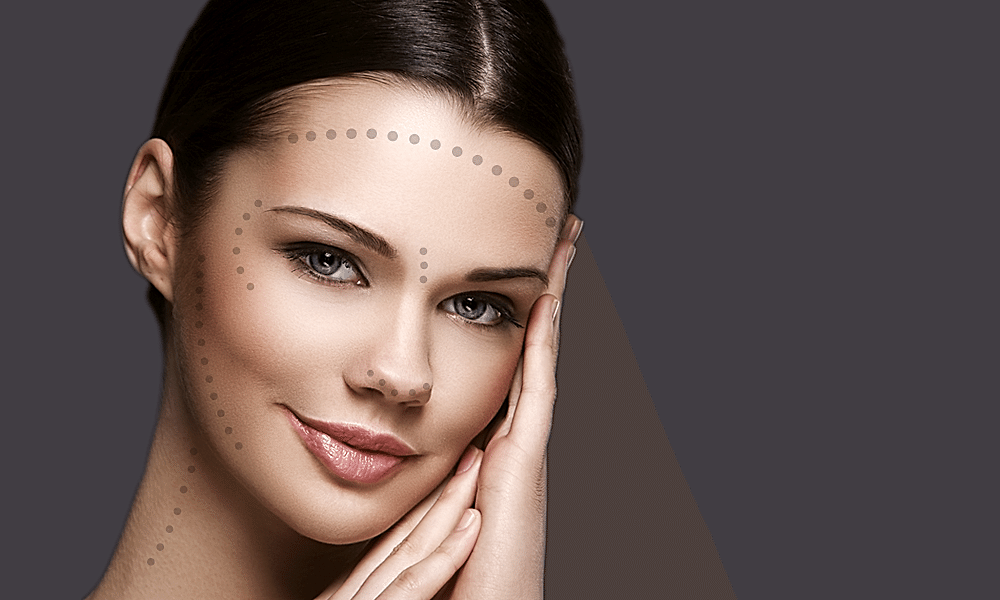
Botox, expertly administered by Uzm.Dr. Ecem Cantürk Nazlı in Izmir, addresses the need for a minimally invasive approach to achieving a natural appearance. In the doctor’s area of expertise, this procedure offers both aesthetic and functional benefits, providing a controlled effect that enhances skin quality and supports a more youthful look. Botox treatments are sought after for their ability to subtly renew the skin, ensuring a problem-oriented approach tailored to individual needs.
Patients appreciate the balanced and natural results that Botox delivers, contributing to both physical appearance and psychological well-being. This procedure can lead to rejuvenation and increased comfort, fostering a boost in self-confidence. By focusing on a natural and balanced outcome, Botox treatments help individuals in Izmir achieve a harmonious enhancement that aligns with their personal aesthetic goals.
What Is Botox?
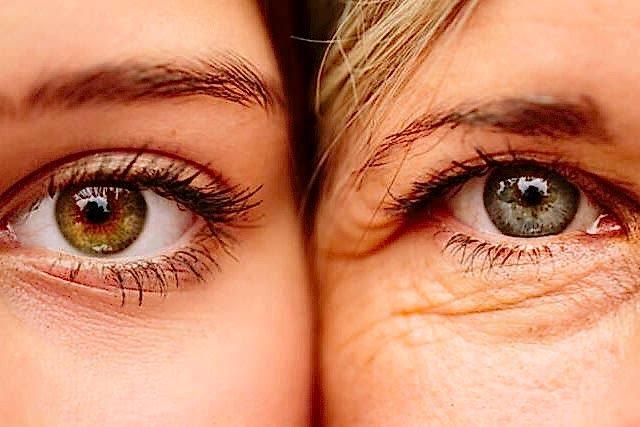
Botox is a purified protein derived from the bacterium Clostridium botulinum and is used for cosmetic and medical purposes. It addresses issues such as wrinkles and fine lines by temporarily paralyzing muscles, resulting in smoother skin. Botox targets facial muscles responsible for expressions that contribute to the development of lines and wrinkles over time.
In the field of dermatology, Botox is a valuable tool for addressing aesthetic concerns related to facial aging. It may be suitable for adults seeking to reduce the appearance of wrinkles and achieve a more youthful look. Individual evaluation is essential to determine candidacy and customize treatment, ensuring the procedure aligns with the patient’s specific needs and expectations. This tailored approach is crucial for achieving optimal and natural-looking results.
How Is Botox Performed?
The Botox procedure in the clinic involves a series of carefully planned steps to ensure safety and effectiveness. Initially, the treatment area is cleaned, and the Botox is prepared for injection. The process is generally quick, often taking only about 10 to 15 minutes, depending on the number of areas being treated.
During the examination, I evaluate the patient’s skin condition and specific concerns to develop a personalized treatment plan. Factors such as muscle strength, facial symmetry, and past medical history are considered to tailor the procedure. This thorough assessment helps in achieving balanced and aesthetically pleasing outcomes.
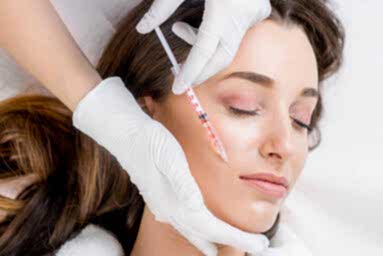
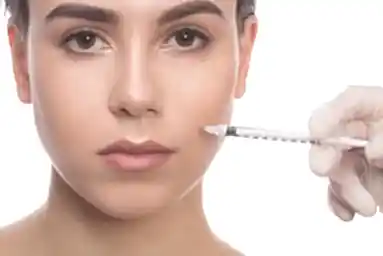
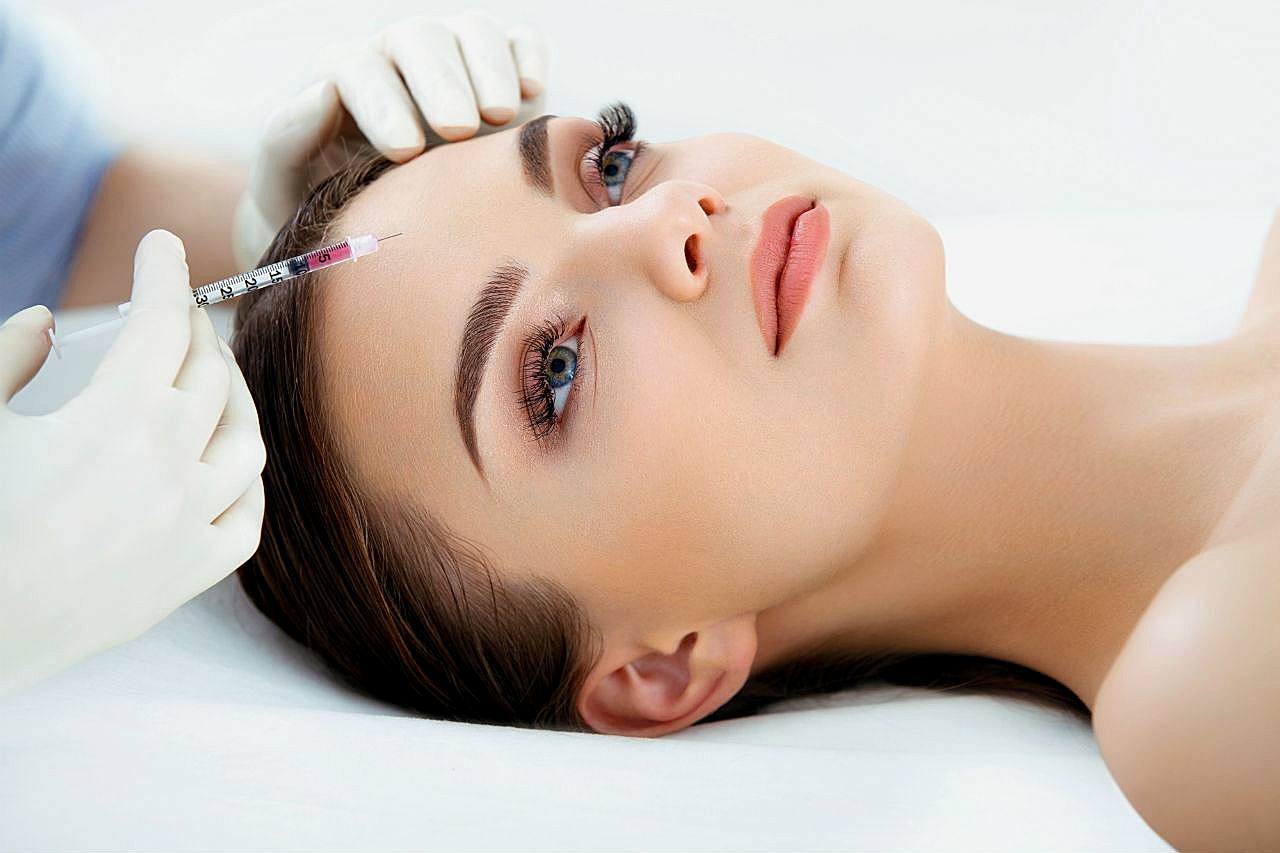
The application of Botox involves precise injections into targeted facial muscles using a fine needle. In our clinic, we adopt a controlled and individualized approach to ensure optimal dosage and placement. This method minimizes discomfort and allows for a customized treatment that aligns with the patient’s unique facial structure and aesthetic goals. Regular follow-ups may be scheduled to monitor results and make any necessary adjustments.
Understanding the Mechanism of Botox
Botox functions by temporarily paralyzing or weakening specific muscles, which helps reduce the appearance of wrinkles and fine lines. The main component, botulinum toxin type A, blocks nerve signals to the injected muscles, preventing them from contracting. This effect is crucial for smoothing out dynamic wrinkles, which are caused by repetitive facial movements.
Beyond cosmetic applications, Botox is also used in medical treatments for conditions caused by muscle hyperactivity, such as chronic migraines and muscle spasms.

Personalized Treatment
Every individual’s skin and skin structure are unique. Therefore, Botox should be personalized for each person.

Sterile Clinical Environment
Botox must be performed under the supervision of a specialist physician and in a sterile clinical environment.

Treatment Tailored to Your Needs
In our clinic, the number of sessions is customized specifically for you, both for Botox and our other treatments.
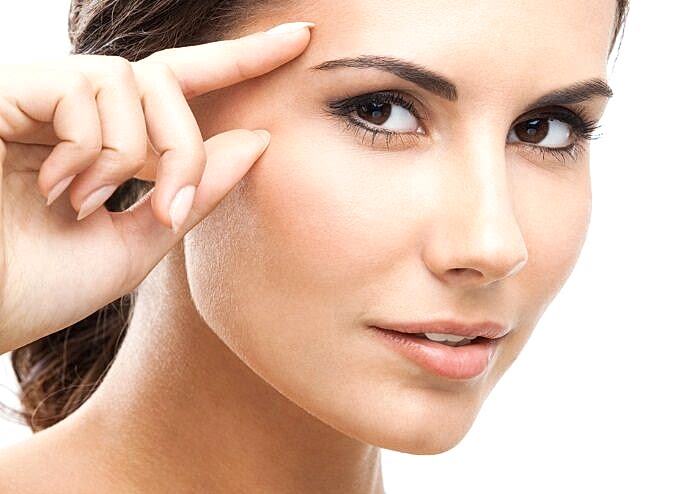
Common Areas for Botox Application
Botox is most frequently applied to areas where wrinkles form due to facial expressions. These areas include:
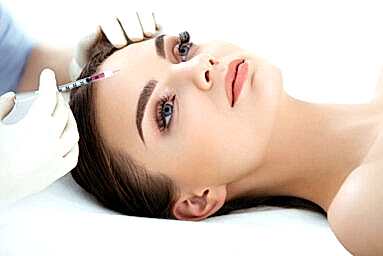
- Forehead lines: Horizontal lines formed by raising eyebrows.
- Glabellar lines: Vertical lines between the eyebrows, also known as frown lines.
- Crow’s feet: Fine lines at the outer corners of the eyes.
- Neck bands: Vertical lines and bands on the neck caused by muscle activity.
Each area requires specific techniques and dosages to achieve optimal results and maintain facial harmony.
Potential Side Effects and Risks
While Botox is considered safe, it may have side effects and risks, which can vary depending on the individual’s health and the skill of the practitioner. Common side effects include:
- Temporary bruising or swelling at the injection site.
- Headache or flu-like symptoms.
- Eyelid droop or uneven eyebrows, which are usually temporary.
Rarely, more severe side effects can occur if the toxin spreads beyond the intended area. It’s essential to consult with a qualified healthcare provider to minimize risks.
Duration of Botox Effects
The effects of Botox are not permanent and typically last between three to six months. The duration can vary based on individual factors such as:
Metabolic Rate
Individuals with a faster metabolism may experience shorter durations of effect, as their bodies break down the toxin more quickly.
Muscle Activity
Areas with higher muscle activity may require more frequent treatments to maintain results.
Frequency of Injections
Repeated treatments can sometimes prolong the duration of effects as the muscles become trained to relax.
Pre-Procedure Considerations
Preparing for a Botox procedure involves several considerations to ensure safety and efficacy:
- Avoid blood thinners: Refrain from taking aspirin, ibuprofen, or other blood-thinning medications before the procedure to reduce the risk of bruising.
- Consultation: Discuss medical history, allergies, and current medications with the practitioner.
- Set realistic expectations: Understand the limitations and expected outcomes of the procedure.
These steps help create a smoother treatment experience and optimize results.
Post-Procedure Care for Botox
After receiving Botox injections, specific care instructions should be followed to ensure optimal results and minimize complications:
Immediate Post-Treatment Tips
Do not rub or massage the treated areas for at least 24 hours to prevent the toxin from spreading to unintended muscles.
Activity Restrictions
Avoid strenuous exercise, alcohol consumption, and exposure to heat (such as saunas) for the first 24 hours.
Monitoring and Follow-Up
Observe the treated areas for any signs of adverse effects and schedule follow-up appointments with the practitioner to assess the results and plan future treatments if necessary.
| Feature | Description |
|---|---|
| Procedure Duration | Approximately 10-30 minutes |
| Duration of Effect | 3 to 6 months |
| Recommended Number of Sessions | Varies; typically every 3-6 months |
| Side Effects | Minor bruising, swelling, or redness |
| Recovery Period | Minimal; resume normal activities immediately |
| Treatment Areas | Forehead, around eyes, between eyebrows |
Clinical Evaluation and Expert Approach
In the realm of dermatology and medical aesthetics, the clinical evaluation process is a cornerstone of developing a tailored treatment plan. This comprehensive assessment involves a meticulous examination of the patient’s facial anatomy, including muscle tone, skin elasticity, and underlying structural dynamics. By understanding these variables, a dermatologist like Uzm.Dr. Ecem Cantürk Nazlı in Izmir can provide a personalized approach that respects the unique characteristics of each individual’s skin and facial structure.
Moreover, the evaluation considers the patient’s dermatological history and any prior aesthetic procedures. This background helps in anticipating possible reactions and planning for long-term management. The focus is on harmonizing treatment with the patient’s natural features and ensuring a balanced aesthetic outcome. Such an approach fosters trust and positions the practitioner as an authoritative figure in the field, aligning with the principles of Expertise, Experience, Authoritativeness, and Trustworthiness (EEAT).
Key Criteria for Clinical Decision-Making
- Evaluation of facial anatomical structure and tissue characteristics.
- Assessment of skin type and any existing dermatological conditions.
- Consideration of previously applied procedures and their outcomes.
- Planning for long-term balance and maintenance requirements.
Botox Prices
Botox pricing can vary significantly depending on individual needs and the specific treatment plan. Since each person may have unique facial structures and aesthetic goals, it is essential to conduct a clinical evaluation to determine the appropriate approach and associated costs. This preliminary assessment ensures that the treatment is tailored to your specific requirements. For a personalized consultation and detailed pricing information, we encourage you to contact our clinic directly. Our team will be happy to assist you in understanding the process and answering any questions you may have.
Conclusion
Botox serves as an effective solution for addressing fine lines and wrinkles, helping to restore a more youthful appearance. The importance of individualized evaluation cannot be overstated, as each patient’s needs and expectations vary significantly. The expertise of Uzm.Dr. Ecem Cantürk Nazlı in Izmir is crucial in shaping the treatment process, ensuring that decisions are informed by a thorough clinical examination and professional judgment. A balanced approach, grounded in clinical assessment, is essential to achieving optimal outcomes with Botox treatments.
Botox Frequently Asked Questions
Question: Is the procedure painful?
Answer: Botox injections are generally well-tolerated by patients, with minimal discomfort experienced. Some individuals may feel a slight pinch during the injection, but any discomfort is typically brief and manageable.
Question: When is the effect of Botox noticeable?
Answer: The effects of Botox usually become noticeable within a few days after treatment. However, full results are typically observed within one to two weeks as the muscles gradually relax.
Question: Can I return to daily activities immediately after the procedure?
Answer: Yes, patients can usually return to their normal daily activities immediately following a Botox procedure. It is recommended to avoid strenuous exercise and to keep the head upright for a few hours post-treatment.
Question: How long do the results of a Botox treatment last?
Answer: The effects of Botox typically last between three to six months, depending on individual factors such as muscle activity and metabolism. Regular follow-up treatments can help maintain the desired results over time.