
Botox for Hyperhidrosis
Botox for Hyperhidrosis, performed by Uzm. Dr. Ecem Cantürk Nazlı in Izmir, addresses the challenges of excessive sweating with a minimally invasive approach. This procedure offers a controlled effect, enhancing both aesthetic and functional outcomes. Patients often find relief as the treatment helps maintain a natural appearance while effectively managing hyperhidrosis symptoms, contributing to an improved quality of life.
Patients can experience increased comfort and self-confidence as they manage their condition more effectively. The treatment supports a sense of rejuvenation and recovery, allowing individuals to feel more at ease in social and professional settings.
What Is Botox for Hyperhidrosis?
Botox for hyperhidrosis is a medical treatment that involves injecting botulinum toxin into areas of the body to reduce excessive sweating. It addresses the problem of hyperhidrosis by targeting the sweat glands, effectively minimizing perspiration in regions such as the underarms, hands, feet, and face. This treatment provides relief for individuals who experience excessive sweating, impacting their daily lives and comfort.
Botox for hyperhidrosis falls under the expertise of dermatologists, who specialize in skin-related conditions and treatments. It is suitable for patients who have not responded adequately to topical treatments or oral medications for excessive sweating. The decision to use Botox is based on individual evaluations, considering factors such as the severity of sweating and the specific areas affected. Each patient is assessed on a case-by-case basis to determine the appropriateness and potential effectiveness of this treatment option.
How Is Botox for Hyperhidrosis Performed?
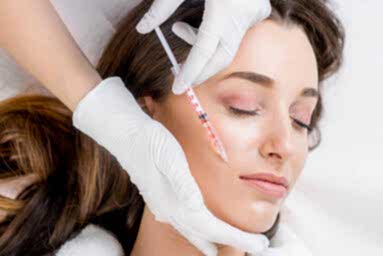
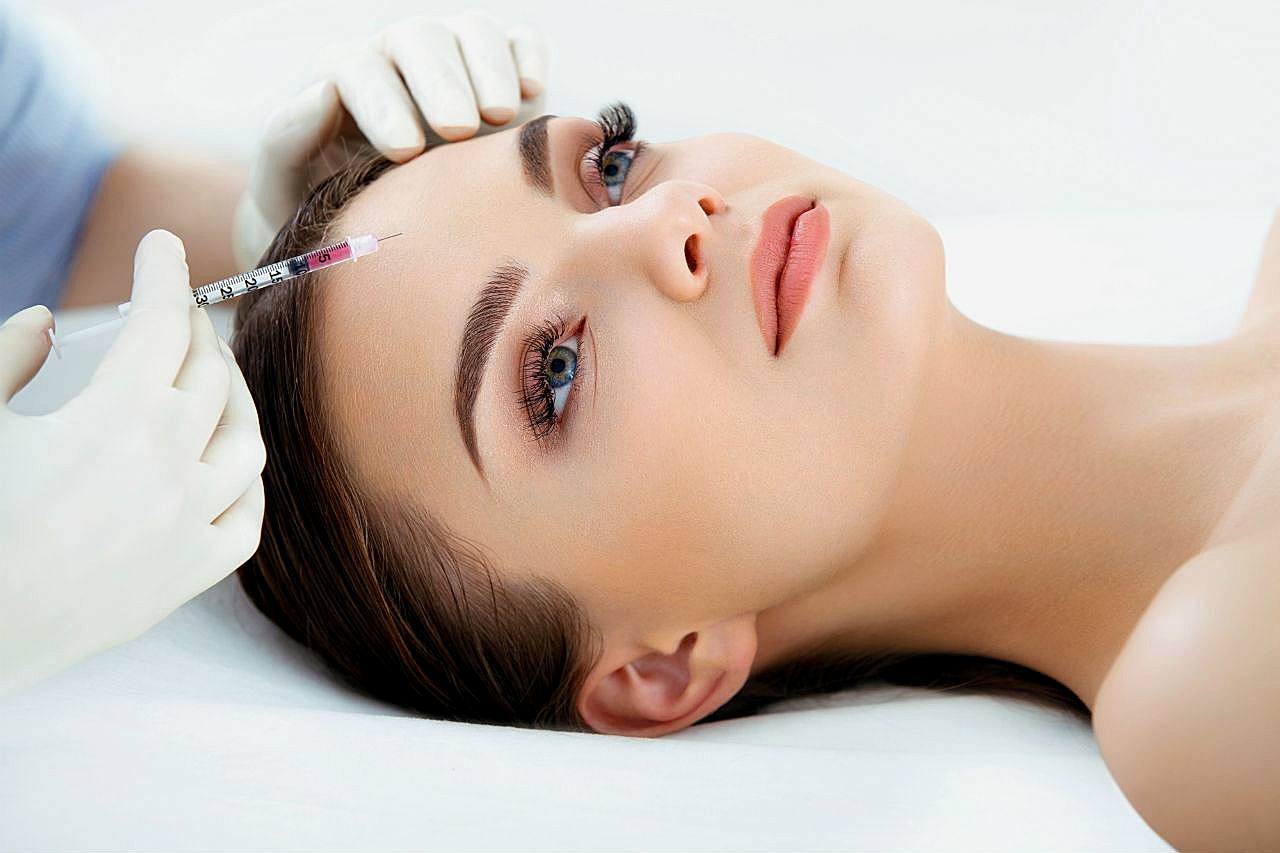
In our clinic, the Botox treatment for hyperhidrosis begins with a thorough consultation to discuss the patient’s concerns and medical history. The procedure typically involves a series of small injections directly into the affected areas, which are performed in a controlled clinical environment. This treatment is usually quick, allowing patients to return to their daily activities shortly after the session.
During the examination, I evaluate the patient’s specific condition, considering factors such as the severity and location of excessive sweating. The decision to proceed with Botox is based on an assessment of the individual’s needs and previous treatment responses. A personalized treatment plan is created to ensure the best possible outcome for each patient.
The application stage of Botox for hyperhidrosis involves a precise and careful approach to administering the injections. Each treatment is tailored to the patient’s unique requirements, ensuring a controlled and effective reduction of sweating. Regular follow-up appointments are recommended to monitor the treatment’s success and make any necessary adjustments to maintain optimal results over time.
Mechanism of Action: How Botox Affects Sweat Glands
Botox, or botulinum toxin type A, works by temporarily blocking the chemical signals from nerves that stimulate sweat glands. By inhibiting these signals, Botox effectively reduces excessive sweating in targeted areas. This mechanism is particularly beneficial for individuals with hyperhidrosis, where the sweat glands are overactive.

Personalized Treatment
Every individual’s skin and skin structure are unique. Therefore, Botox for Hyperhidrosis should be personalized for each person.

Sterile Clinical Environment
Botox for Hyperhidrosis must be performed under the supervision of a specialist physician and in a sterile clinical environment.

Treatment Tailored to Your Needs
In our clinic, the number of sessions is customized specifically for you, both for Botox for Hyperhidrosis and our other treatments.
Common Treatment Areas for Botox in Hyperhidrosis
Botox for hyperhidrosis can be administered to various parts of the body where excessive sweating occurs. The most common areas include:
- Underarms (Axillary Hyperhidrosis): A prevalent area for treatment, underarm injections are often performed to alleviate discomfort and social embarrassment caused by excessive sweating.
- Palms (Palmar Hyperhidrosis): Botox can be used on the palms to manage excessive sweating, which can interfere with daily activities and personal interactions.
- Feet (Plantar Hyperhidrosis): Although less common, Botox can be applied to the soles of the feet to reduce perspiration.
- Face and Scalp: For individuals experiencing facial or scalp hyperhidrosis, Botox injections can help control sweating in these visible areas.
Procedure Safety and Potential Side Effects
Botox injections for hyperhidrosis are generally safe when performed by qualified healthcare professionals. However, patients may experience some side effects, including:
- Localized Pain or Discomfort: Mild pain or discomfort at the injection site is common and usually temporary.
- Bruising: Small bruises may appear where the injections were administered, but these typically resolve quickly.
- Muscle Weakness: In rare cases, patients may experience temporary muscle weakness near the injection sites.
Effectiveness and Duration of Results
The effectiveness and duration of Botox treatment for hyperhidrosis can vary among individuals. Generally, patients may notice a significant reduction in sweating within a week of treatment. The results typically last between 4 to 12 months, depending on the treated area and the individual’s response to the procedure.
Factors Influencing Treatment Success
Several factors can influence the success of Botox treatment for hyperhidrosis:
- Severity of Hyperhidrosis: The degree of sweating prior to treatment can impact the overall effectiveness of Botox.
- Area of Treatment: Some areas may respond more favorably to Botox than others, affecting the duration and magnitude of results.
- Individual Response: Each person may respond differently to Botox, necessitating personalized treatment plans and follow-up sessions.
Post-Procedure Care and Recommendations
Following Botox treatment for hyperhidrosis, patients are advised to adhere to specific care recommendations to maximize results and minimize side effects:
- Avoid Strenuous Activities: Refrain from engaging in heavy exercise or activities that may induce sweating for at least 24 hours post-treatment.
- Maintain Skin Hygiene: Keep the treated area clean and dry to prevent irritation or infection.
- Monitor for Side Effects: Report any unusual or persistent side effects to your healthcare provider promptly.
| Feature | Description |
|---|---|
| Procedure Duration | 15-30 minutes |
| Duration of Effect | 4-6 months |
| Recommended Sessions | One session every 4-6 months |
| Common Side Effects | Temporary bruising, mild pain at injection site |
| Recovery Period | No downtime, immediate resumption of activities |
| Treatment Areas | Underarms, palms, soles of feet |
Expert Clinical Evaluation and Personalized Approach
When assessing a patient’s suitability for treatments such as Botox for hyperhidrosis, a comprehensive clinical evaluation is paramount. This involves a thorough understanding of the patient’s unique anatomical and dermatological makeup. Each individual’s skin type, thickness, and underlying structures can significantly influence the treatment’s planning and potential outcomes. Therefore, the evaluation is tailored to address these variables, ensuring a personalized approach that considers all anatomical and dermatological factors.
Prior experiences with dermatological treatments and their outcomes are also meticulously reviewed. This includes examining any previously applied procedures and the patient’s response to them, which aids in predicting possible interactions and long-term balance. The goal is to establish a sustainable maintenance plan that accommodates the patient’s unique dermatological characteristics and ensures the treatment’s effectiveness over time. This expert approach underscores the importance of a detailed and patient-specific evaluation process.
Key Considerations in Clinical Decision-Making
- Anatomical structure and tissue characteristics
- Skin type and existing dermatological conditions
- Previously applied procedures and responses
- Long-term balance and maintenance requirements
Botox for Hyperhidrosis Prices
Botox treatment for hyperhidrosis involves various individual factors, making it difficult to establish a standard price. Each patient has unique needs and responses to treatment, which is why prices can vary significantly. The fee is determined after a thorough clinical evaluation, where a specialist assesses your specific requirements and tailors the treatment plan accordingly. To receive accurate pricing information and personalized advice, we invite you to contact our clinic directly. Our team will be happy to guide you through the process and answer any questions you may have.
Conclusion
Botox for hyperhidrosis offers a clinically sound option for managing excessive sweating by targeting overactive sweat glands. The process begins with an individualized evaluation, ensuring that each treatment plan is tailored to the patient’s unique needs. The expertise of Uzm.Dr. Ecem Cantürk Nazlı plays a pivotal role in assessing the patient’s condition and determining the appropriate approach. This clinical method emphasizes a balance between effective treatment and safety, guided by professional assessment.
Botox for Hyperhidrosis Frequently Asked Questions
Question: Is the procedure painful?
Answer: The procedure involves minimal discomfort as it uses fine needles to administer Botox. Most patients describe the sensation as a small pinch, and any discomfort is usually brief.
Question: When can I notice the effects of Botox for hyperhidrosis?
Answer: The effects of Botox for hyperhidrosis typically become noticeable within a few days after the procedure. Full results are usually observed within two weeks.
Question: Can I return to my daily activities immediately after the procedure?
Answer: Yes, most individuals can return to their daily activities immediately following the procedure. It is generally recommended to avoid strenuous activities for 24 hours to ensure optimal results.
Question: How many sessions are required to achieve desired results?
Answer: The number of sessions needed can vary based on individual needs and the severity of the hyperhidrosis. Typically, a single session provides relief for several months, and follow-up treatments may be scheduled as needed.