

Hair Loss Treatment
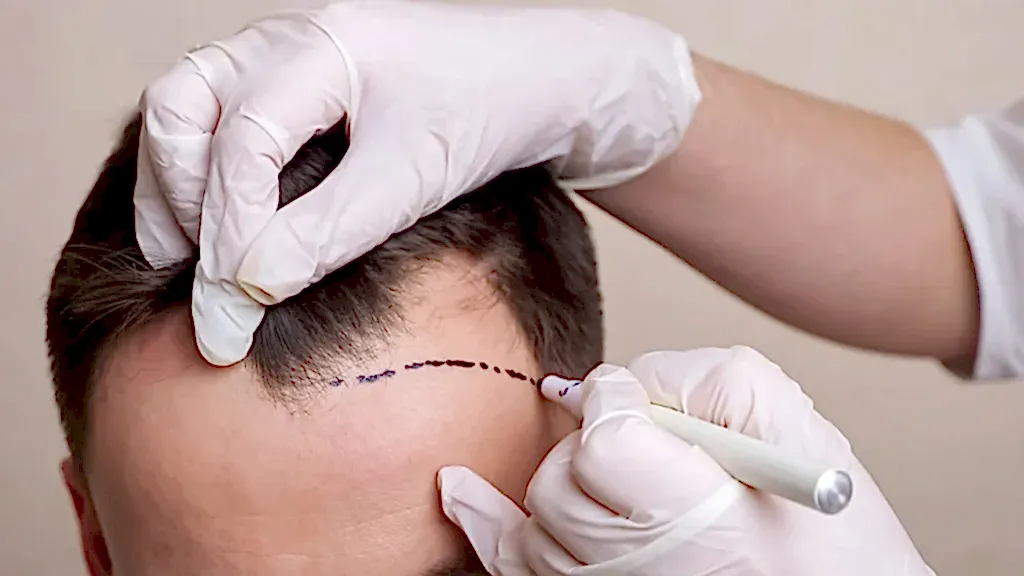
Hair Loss Treatment, led by Uzm.Dr. Ecem Cantürk Nazlı in Izmir, addresses the need for both aesthetic enhancement and functional restoration. As a Dermatologist’s area of expertise, this procedure offers solutions that focus on anatomical improvement and permanence. Patients can expect a functional and structural transformation, enhancing their overall appearance and confidence through personalized care.
Natural and balanced results are central to this procedure, ensuring a rejuvenated look while contributing to physical and psychological well-being. The process supports recovery and comfort, potentially boosting self-confidence as individuals experience the benefits of targeted and controlled applications tailored to their specific needs.
What Is Hair Loss Treatment?
Hair loss treatment is a medical approach aimed at addressing the problem of hair thinning or baldness by targeting the scalp and hair follicles. This treatment involves various techniques to stimulate hair growth, prevent further loss, and improve the appearance of the hair. The primary goal is to restore the hair’s natural density and health.
In the field of dermatology, hair loss treatment is particularly significant as it involves understanding the underlying causes unique to each patient. It may be suitable for individuals experiencing pattern baldness, hormonal imbalances, or other scalp conditions. Evaluations are performed on an individual basis to tailor the treatment plan, ensuring that the specific needs of each patient are met effectively and safely.
How Is Hair Loss Treatment Performed?
The process of hair loss treatment in a clinical setting typically begins with a comprehensive evaluation to understand the patient’s condition. This involves a detailed examination of the scalp and hair follicles to determine the most suitable approach. The treatment plan is developed based on the specific requirements of the patient.
During the examination, the physician considers a variety of factors, including the patient’s medical history, the pattern of hair loss, and any underlying health issues. The decision-making process is meticulous, aiming to identify the most effective treatment strategy that aligns with the patient’s individual needs and expectations.
In our clinic, the application of hair loss treatment is carried out with a controlled and personalized approach. Whether the treatment involves medications, topical solutions, or advanced procedures, each step is carefully monitored. By tailoring the approach to each patient, we ensure that the treatment is both effective and safe, optimizing outcomes for hair restoration.
Understanding the Causes of Hair Loss
Hair loss can result from various factors, each contributing differently to the condition. Understanding these causes is crucial for selecting the appropriate treatment. Common factors include genetics, hormonal changes, medical conditions, medications, and lifestyle influences.
Genetic Factors
Genetic predisposition is one of the most prevalent causes of hair loss. Androgenetic alopecia, commonly known as male or female pattern baldness, is an inherited condition that affects a significant percentage of the population.
Hormonal Changes
Hormonal imbalances, such as those occurring during pregnancy, menopause, or due to thyroid dysfunction, can lead to temporary or chronic hair loss. Addressing these imbalances can significantly impact hair restoration success.
Medical Conditions and Medications
Certain medical conditions like alopecia areata, scalp infections, or lupus can result in hair loss. Additionally, medications used for cancer, arthritis, depression, and heart problems may have hair loss as a side effect.

Personalized Treatment
Every individual’s skin and skin structure are unique. Therefore, Hair Loss Treatment should be personalized for each person.

Sterile Clinical Environment
Hair Loss Treatment must be performed under the supervision of a specialist physician and in a sterile clinical environment.

Treatment Tailored to Your Needs
In our clinic, the number of sessions is customized specifically for you, both for Hair Loss Treatment and our other treatments.
Available Clinical Treatment Options
There are several clinical treatments available for managing hair loss, each with distinct methodologies and outcomes. It is essential to consult with a healthcare provider to determine the most suitable option.
- Medications: Options such as Minoxidil and Finasteride are often prescribed to stimulate hair growth and slow hair loss.
- Hair Transplant Surgery: Techniques such as Follicular Unit Transplantation (FUT) and Follicular Unit Extraction (FUE) are surgical options for restoring hair.
- Laser Therapy: Low-level laser therapy is a non-invasive treatment that uses light to stimulate hair follicles.
- Platelet-Rich Plasma (PRP) Therapy: This involves injecting platelet-rich plasma into the scalp to promote hair growth.
Suitability of Hair Loss Treatments for Different Hair Types
Hair type can influence the effectiveness of hair loss treatments, making it a crucial consideration in the treatment selection process. Different textures and conditions respond uniquely to treatment modalities.
Thick vs. Fine Hair
Treatments may need to be adjusted based on hair density. For instance, hair transplant techniques might require different approaches depending on the thickness of the hair.
Curly vs. Straight Hair
Curly hair may present unique challenges during surgical procedures, such as follicle direction and scalp elasticity, which must be considered to achieve optimal results.
Post-Treatment Expectations and Care
Understanding what to expect after undergoing hair loss treatment is vital for managing expectations and ensuring optimal outcomes. Post-procedure care varies depending on the treatment received.
Immediate Post-Procedure Care
Patients may experience mild discomfort or swelling immediately after certain procedures. Adhering to prescribed care routines can mitigate these effects.
Long-Term Maintenance
Consistency in following a tailored hair care regimen can sustain treatment benefits. Regular follow-ups with healthcare providers are recommended to monitor progress and make necessary adjustments.
Potential Side Effects and Risks of Hair Loss Treatments
All medical treatments carry potential risks and side effects. Awareness and understanding of these can help in making informed decisions regarding hair loss treatment options.
- Medications: Some may cause scalp irritation or unwanted hair growth in adjacent areas.
- Surgical Procedures: Risks include infection, scarring, or unnatural-looking results.
- Laser Therapy: Generally safe, but some individuals may experience scalp irritation.
Comparative Effectiveness of Different Hair Loss Treatments
Evaluating the effectiveness of various hair loss treatments involves considering multiple factors, including the underlying cause of hair loss, individual response, and treatment adherence.
- Medications: Effective for many but may require continuous use to maintain results.
- Surgical Solutions: Offer long-term results but involve more commitment and recovery time.
- Non-Invasive Options: Such as laser therapy, are less intensive but may take longer to show results.
Innovations and Future Directions in Hair Loss Treatment
The field of hair loss treatment is continually evolving, with ongoing research leading to new and improved methods. Staying informed about these advancements can open up additional options for those experiencing hair loss.
Stem Cell Research
Stem cell research holds promise for regenerating hair follicles and potentially offering a more effective solution for hair restoration.
Genetic and Molecular Therapies
Advances in genetic and molecular biology may lead to targeted therapies that address the root causes of hair loss at a genetic level.
| Treatment Type | Procedure Duration | Key Features |
|---|---|---|
| Platelet-Rich Plasma (PRP) Therapy | 30-60 minutes | Requires multiple sessions; minimal downtime; injections use patient’s own blood |
| Minoxidil (Topical) | Daily application | Over-the-counter; continued use required for sustained results; possible scalp irritation |
| Finasteride (Oral Medication) | Daily intake | Prescription required; suitable for male pattern baldness; potential side effects may include sexual dysfunction |
| Hair Transplant Surgery | Several hours | Performed under local anesthesia; permanent results; recovery period varies |
Expert Clinical Evaluation and Personalized Planning
In the field of dermatology and medical aesthetics, clinical evaluation is a nuanced process that considers a range of anatomical and dermatological factors. Uzm.Dr. Ecem Cantürk Nazlı, a seasoned dermatologist in Izmir, approaches each case with a focus on individualized assessment. This involves a thorough examination of the patient’s scalp and hair follicle health, taking into account underlying structural variables that may influence treatment outcomes. The evaluation aims to understand the unique characteristics of each patient, ensuring that all potential factors are considered before any treatment plan is devised.
Expertise in clinical evaluation also extends to recognizing the role of skin type and existing dermatological conditions, which can significantly impact treatment planning. Uzm.Dr. Ecem Cantürk Nazlı emphasizes the importance of reviewing any previous medical procedures and their responses to tailor an approach that not only addresses immediate concerns but also supports long-term balance and maintenance. By integrating these elements, the planning process evolves into a comprehensive strategy, ensuring that all aspects of the patient’s dermatological health are aligned with the intended outcomes.
Criteria for Personalized Treatment Planning
- Assessment of the anatomical structure and tissue characteristics
- Evaluation of skin type and existing dermatological conditions
- Review of previously applied procedures and their responses
- Consideration of long-term balance and maintenance requirements
Hair Loss Treatment Prices
Understanding the cost of hair loss treatment involves considering individual variables unique to each patient. Factors such as hair type, extent of hair loss, and specific treatment needs make it difficult to standardize pricing. As a result, a thorough clinical evaluation is necessary to tailor an effective treatment plan. This personalized approach ensures that each patient receives the most suitable care for their condition. To obtain detailed pricing information based on your unique needs, please contact our clinic to schedule a consultation.
Conclusion
Hair loss treatment addresses the critical need for restoring hair density and confidence in individuals experiencing thinning or baldness. The process is significantly shaped by a meticulous and personalized evaluation, where the expertise of Uzm. Dr. Ecem Cantürk Nazlı in Izmir plays a decisive role. A thorough examination and the physician’s professional opinion are essential to tailor the treatment plan effectively, ensuring an approach rooted in clinical balance and assessment. This method emphasizes the importance of individualized care in achieving optimal outcomes.
Hair Loss Treatment Frequently Asked Questions
Question: Is the hair loss treatment procedure painful?
Answer: The level of discomfort experienced during hair loss treatment can vary depending on the specific procedure and the individual’s pain threshold. Generally, most treatments involve minimal discomfort, and any pain is usually manageable with local anesthesia or numbing agents.
Question: When can I expect to see noticeable results from the treatment?
Answer: The timeframe for observing results can differ based on the type of hair loss treatment undertaken. Generally, patients may start to see noticeable improvements within a few months, with full results becoming apparent after several sessions or as the hair growth cycle progresses.
Question: How many sessions are typically required for effective hair loss treatment?
Answer: The number of sessions needed varies according to the individual’s specific condition and the treatment method selected. On average, multiple sessions may be necessary to achieve the desired outcome, with the exact number determined after a thorough evaluation by the physician.
Question: Are there any potential side effects associated with hair loss treatment?
Answer: As with any medical procedure, hair loss treatments may have potential side effects, which are generally mild and temporary. These can include minor scalp irritation, redness, or swelling, and are typically well-tolerated by most patients. It is important to discuss any concerns with the physician before starting treatment.