
Pulsed Dye Laser
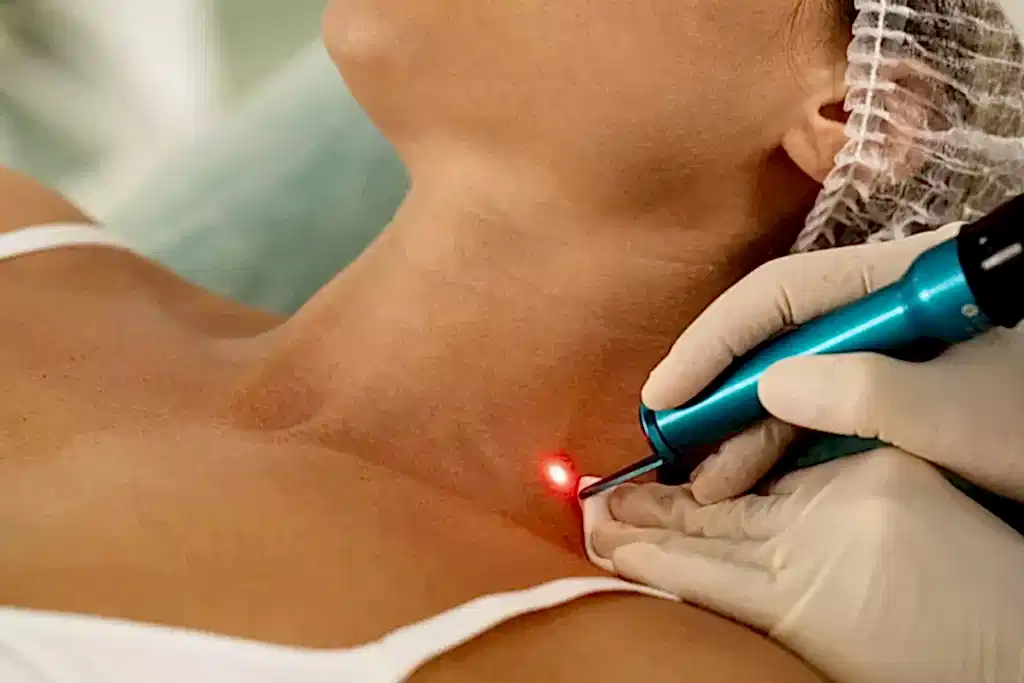
Pulsed Dye Laser, as highlighted by Uzm. Dr. Ecem Cantürk Nazlı’s area of expertise, this procedure is a renowned choice in dermatology for addressing various skin concerns with precision. Known for its targeted effect and controlled application, Pulsed Dye Laser offers significant aesthetic and functional benefits, enhancing skin quality and renewal. In Izmir, this technology-supported process is favored for its minimally invasive approach, delivering improvements that cater to both anatomical and aesthetic needs.
Patients often appreciate the natural and balanced results achieved through Pulsed Dye Laser, which can significantly contribute to a sense of rejuvenation and increased self-confidence. This procedure not only aids in physical recovery but also provides psychological comfort, ensuring a satisfying experience. By focusing on a problem-oriented approach, Pulsed Dye Laser facilitates a controlled effect, promoting a comfortable and confidence-boosting transformation.
What Is Pulsed Dye Laser?
Pulsed Dye Laser is a medical laser treatment designed to target blood vessels in the skin by using a concentrated beam of light. This procedure is commonly used to address vascular lesions such as port-wine stains, spider veins, and rosacea. By directing the laser’s energy onto the skin, it helps to diminish the visibility of these conditions, ultimately improving the skin’s appearance.
In the field of dermatology, Pulsed Dye Laser is a valuable tool for dermatologists like Uzm.Dr. Ecem Cantürk Nazlı in Izmir. It is suitable for patients experiencing vascular skin issues and can be an option for those seeking aesthetic improvements in these areas. The decision to use this treatment is individualized, as each patient’s skin condition and medical history are unique, necessitating a tailored approach for optimal results.
How Is Pulsed Dye Laser Applied?
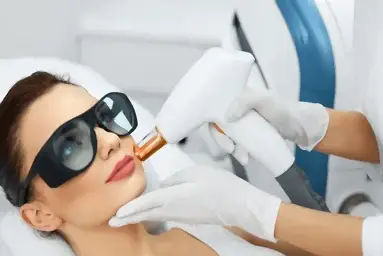
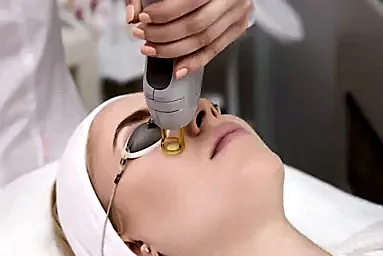
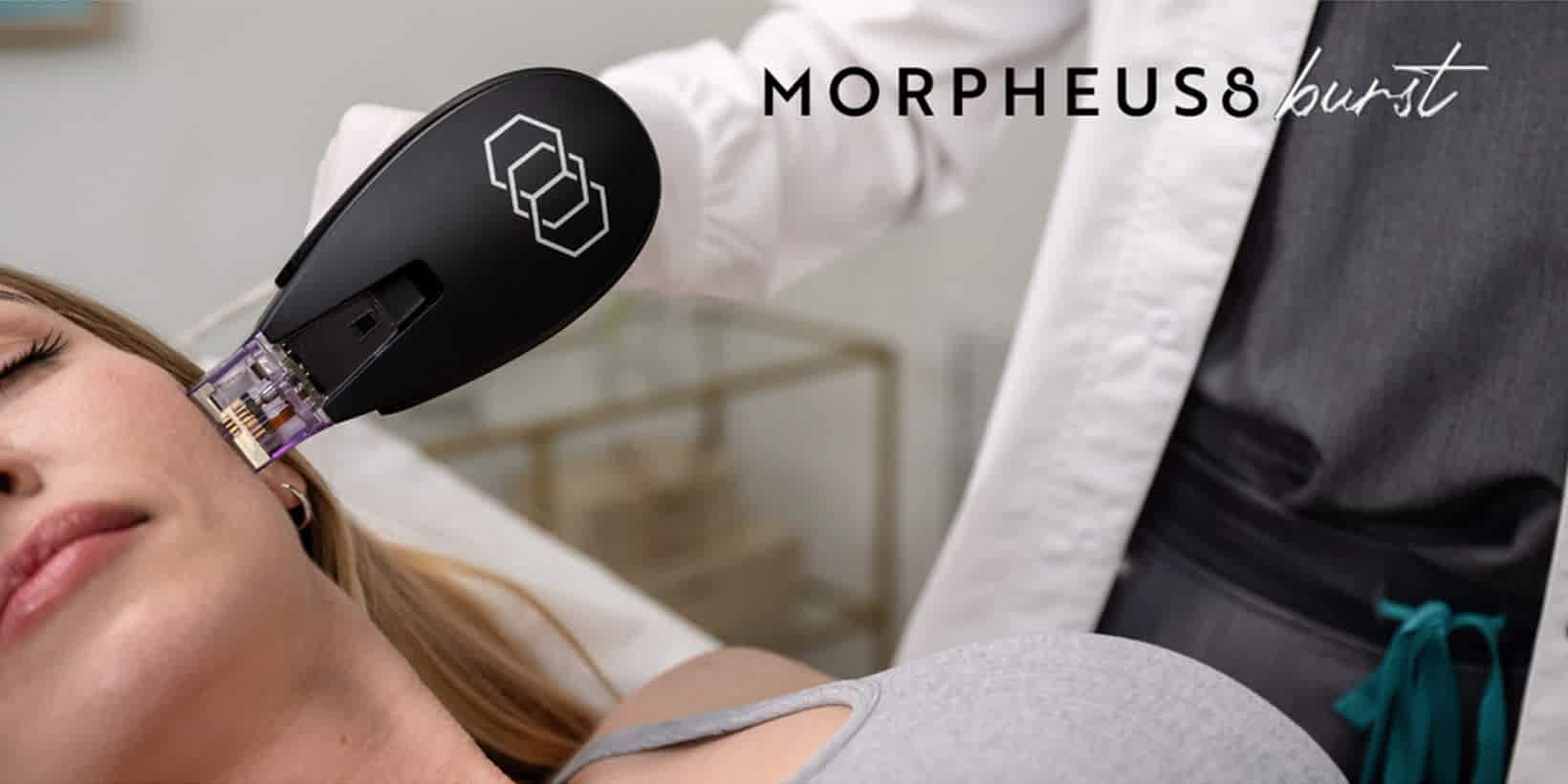
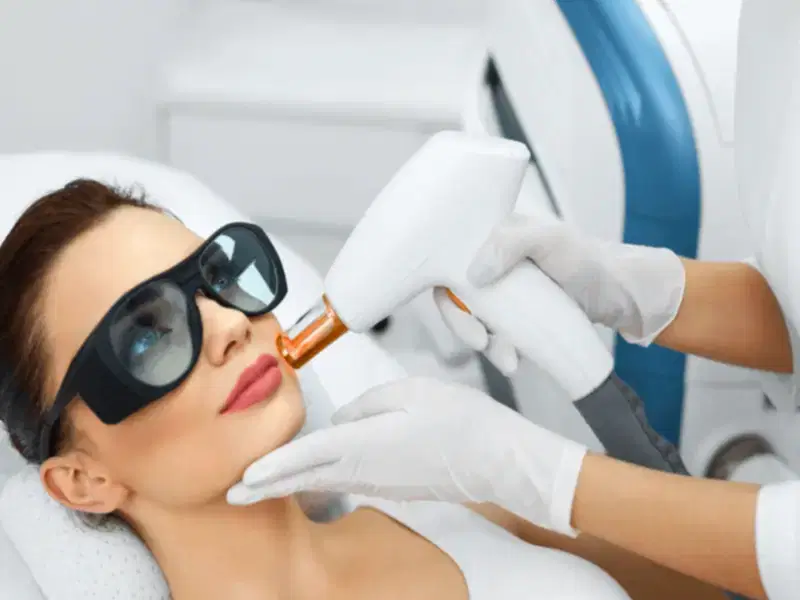
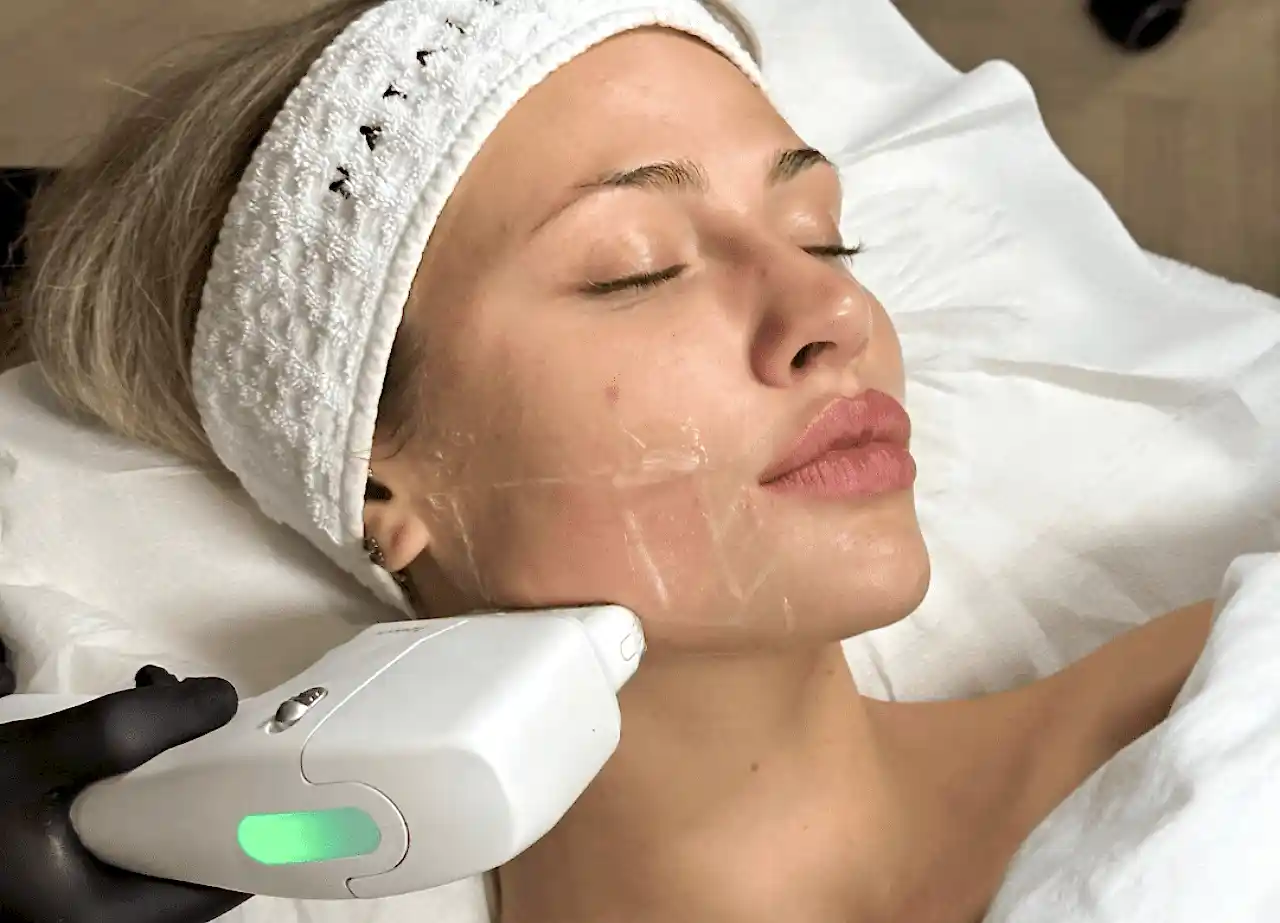
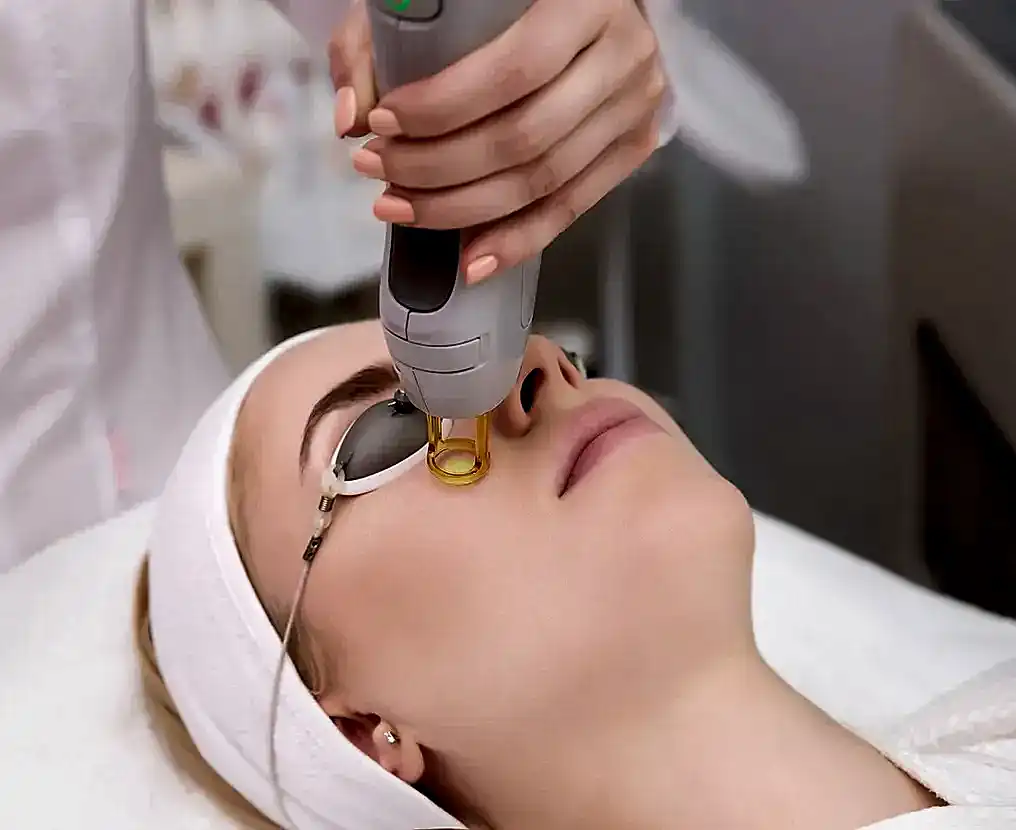
The application of Pulsed Dye Laser in our clinic involves a series of carefully planned steps to ensure patient safety and treatment efficacy. Initially, the skin is cleansed, and protective eyewear is provided to the patient. The laser device is then calibrated to the appropriate settings for the specific condition being treated, and the process is carried out in a controlled environment.
During the examination, I evaluate the patient’s skin type, the severity of the condition, and any potential contraindications. This thorough assessment helps determine the suitability of Pulsed Dye Laser for the individual and guides the selection of optimal treatment parameters. It’s crucial to consider these factors to ensure both safety and effectiveness.
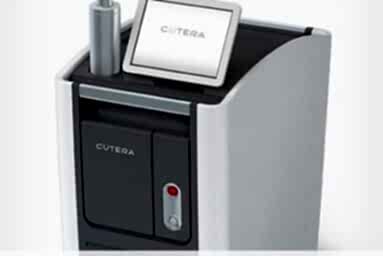
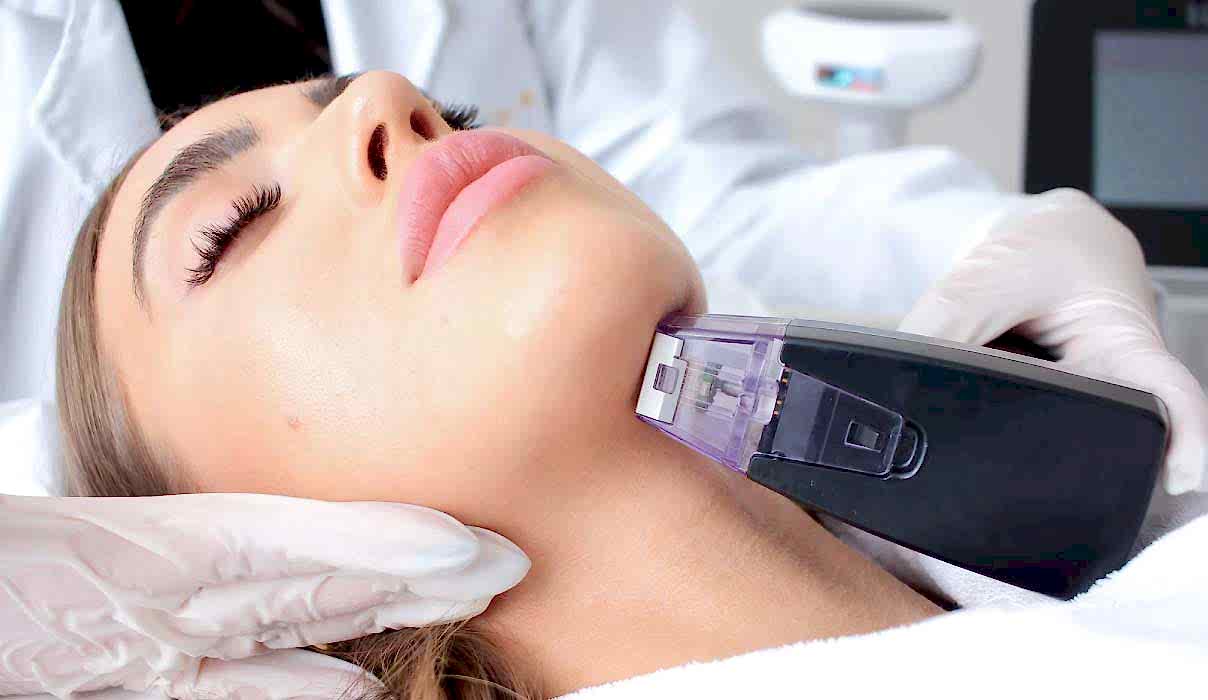
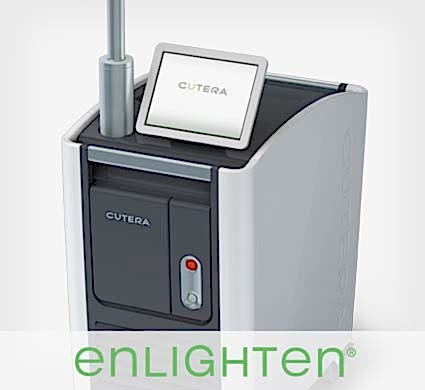
The application stage is carried out with precision, using the DermaV device from our clinic’s equipment list, to deliver the laser energy to the targeted areas. My approach is to maintain a controlled and individualized treatment plan, adjusting the parameters as needed based on the response observed. This ensures that each patient receives a customized treatment that aligns with their specific dermatological needs.
Mechanism of Action of Pulsed Dye Laser
The pulsed dye laser (PDL) is a non-invasive treatment that utilizes a concentrated beam of light to target and eliminate specific skin conditions. The laser emits light that is absorbed by the blood vessels, causing them to coagulate and eventually be reabsorbed by the body. This process is known as selective photothermolysis. By focusing on the blood vessels without affecting the surrounding tissue, PDL effectively treats vascular lesions while minimizing damage to the skin.
Targeted Skin Conditions
PDL is particularly effective for treating conditions such as:
- Port-wine stains
- Spider veins
- Rosacea
- Hemangiomas

Personalized Treatment
Every individual’s skin and skin structure are unique. Therefore, Pulsed Dye Laser should be personalized for each person.

Sterile Clinical Environment
Pulsed Dye Laser must be performed under the supervision of a specialist physician and in a sterile clinical environment.

Treatment Tailored to Your Needs
In our clinic, the number of sessions is customized specifically for you, both for Pulsed Dye Laser and our other treatments.
Benefits of Pulsed Dye Laser Treatment
Pulsed dye laser therapy offers several advantages that make it a preferred choice for patients dealing with vascular skin issues.
Minimally Invasive Procedure
The procedure is minimally invasive, requiring no incisions or stitches, which reduces the risk of infection and promotes quicker healing.
Precision and Safety
Due to its precise targeting, PDL can treat problematic areas without affecting the surrounding healthy skin, reducing the risk of scarring.
Expected Outcomes and Efficacy
Patients undergoing pulsed dye laser treatment can expect noticeable improvements in the appearance of their skin condition over a series of sessions.
- Initial Improvement: Patients often see visible results after the first session.
- Long-term Benefits: Multiple sessions may be needed for optimal results, depending on the condition’s severity.
- Progressive Healing: As the body reabsorbs the treated blood vessels, the skin continues to improve over time.
Potential Side Effects and Risks
Like any medical procedure, pulsed dye laser treatment carries potential side effects and risks, although they are typically mild and temporary.
Common Side Effects
- Redness and swelling in the treated area
- Slight bruising
- Temporary changes in skin pigmentation
These side effects generally resolve within a few days to a week.
Contraindications and Precautions
Not everyone is a suitable candidate for pulsed dye laser treatment. Certain conditions and factors may contraindicate its use.
- Pregnancy: Laser treatments are generally avoided during pregnancy.
- History of keloid scarring: Individuals prone to scarring should consult their dermatologist.
- Recent sun exposure: Avoid PDL treatment if the skin has been recently tanned.
Post-Procedure Care and Recommendations
Proper care following pulsed dye laser treatment is crucial to ensure optimal results and minimize complications.
Immediate Aftercare
- Apply cold compresses to reduce swelling.
- Avoid sun exposure and use a high-SPF sunscreen.
- Follow any additional instructions provided by the dermatologist.
By adhering to these recommendations, patients can promote healing and enhance the treatment’s effectiveness.
| Feature | Description |
|---|---|
| Procedure Duration | Approximately 15-30 minutes per session |
| Duration of Effect | Varies, typically several months to a year |
| Recommended Number of Sessions | 3-5 sessions, depending on the condition |
| Potential Side Effects | Redness, swelling, bruising, temporary pigmentation changes |
| Recovery Period | Minimal downtime, typically a few days |
| Treatment Areas | Face, neck, chest, legs, and other affected areas |
Clinical Evaluation and Expert Approach
In the clinical evaluation process, a comprehensive assessment of the patient’s anatomical structure and skin characteristics is essential. This involves a detailed examination of the skin type, taking into account any existing dermatological conditions that may influence the suitability and response to treatments. Through careful analysis, the unique needs and considerations of each patient are thoroughly evaluated to ensure a personalized approach to their care.
Expertise in dermatology requires a nuanced understanding of how previous procedures have impacted the skin, as well as the long-term maintenance and balance required for optimal outcomes. This includes assessing the skin’s response to past treatments and planning accordingly to enhance and maintain results. Such a meticulous approach underscores the importance of clinical judgment and experience in achieving a holistic and effective treatment plan.
Key Considerations in Clinical Decision-Making
- Anatomical structure and tissue characteristics
- Skin type and existing dermatological conditions
- Previously applied procedures and responses
- Long-term balance and maintenance requirements
Pulsed Dye Laser Prices
The cost of a pulsed dye laser treatment can vary significantly due to individual differences in treatment needs and skin conditions. Since each person’s situation is unique, we cannot provide a standard price without a thorough clinical evaluation. After a detailed examination, a personalized treatment plan will be crafted, allowing us to determine the specific fee for your procedure. We encourage you to contact our clinic to schedule an evaluation and receive accurate pricing information tailored to your individual requirements.
Conclusion
The Pulsed Dye Laser procedure effectively addresses various dermatological concerns, including vascular lesions and certain types of scars. The individualized evaluation by {{doktor_adi}} in {{şehir}} plays a decisive role in determining the suitability and expected outcomes for each patient. The examination and physician’s opinion are crucial in shaping the treatment process, ensuring a clinical approach that balances patient needs with realistic expectations. This methodical assessment reflects a commitment to patient-centered care and optimal therapeutic results.
Pulsed Dye Laser Frequently Asked Questions
Question: Is the Pulsed Dye Laser procedure painful?
Answer: Most patients experience minimal discomfort during the Pulsed Dye Laser procedure. The sensation is often described as a slight stinging, similar to a rubber band snap against the skin.
Question: When can I expect to see results from the Pulsed Dye Laser?
Answer: Patients may begin to notice improvements within a few weeks after the treatment. The full effect typically becomes more apparent as the skin continues to heal and regenerate.
Question: How many Pulsed Dye Laser sessions are generally required?
Answer: The number of sessions needed varies based on the individual’s specific condition and response to treatment. Generally, multiple sessions are required to achieve optimal results.
Question: Are there any side effects associated with the Pulsed Dye Laser?
Answer: Common side effects may include temporary redness, swelling, or bruising at the treatment site. These effects typically subside within a few days post-procedure.