

Vitiligo Treatment

Vitiligo Treatment, under Uzm.Dr. Ecem Cantürk Nazlı’s area of expertise, this procedure addresses the need for improving skin quality and achieving a more balanced skin tone. In Izmir, patients benefit from the aesthetic and functional improvements offered, enhancing the skin’s natural appearance and structure. By focusing on problem-oriented approaches, these treatments provide a seamless blend of renewal and targeted solutions.
Patients often experience a perception of natural and balanced results, contributing to both physical and psychological well-being. With these treatments, there is a noticeable increase in self-confidence as the skin undergoes rejuvenation and recovery. The process not only caters to aesthetic desires but also offers comfort and a sense of relief, ensuring that individuals feel more at ease in their skin.
What Is Vitiligo Treatment?
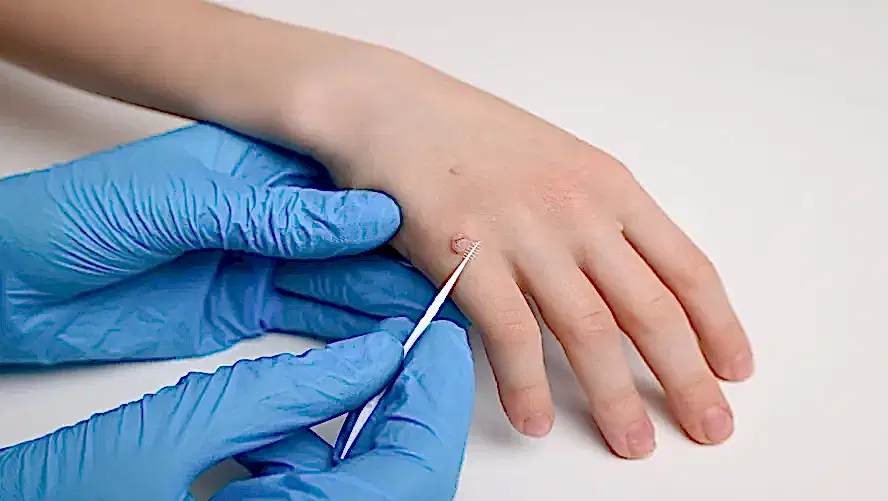
Vitiligo treatment is a medical approach focused on restoring skin color and managing the spread of depigmented patches caused by vitiligo. This condition affects the skin’s pigmentation process, leading to white patches on various parts of the body. The treatment targets melanocyte function, aiming to improve the skin’s appearance and promote repigmentation.
Vitiligo treatment is closely related to the field of dermatology, as it requires specialized knowledge of skin conditions. It may be suitable for patients experiencing visible white patches that affect daily life or self-esteem. Evaluation and treatment are tailored to individual needs, considering factors like the extent of skin involvement and patient preferences. Personalized assessment is crucial to determine the most appropriate treatment strategy.
How Is Vitiligo Treatment Performed?
The vitiligo treatment process in a clinical setting involves a comprehensive approach to managing the condition. Initially, a thorough assessment is conducted to understand the patient’s unique presentation and medical history. This general framework ensures that the treatment plan aligns with the specific characteristics of the vitiligo patches and the patient’s overall health.
During the examination, I evaluate the extent and pattern of pigmentation loss to determine the most suitable treatment options. Decisions are made based on factors such as the patient’s age, skin type, and the psychological impact of the condition. This careful evaluation helps in selecting therapies that offer the best chance for repigmentation and stabilization of the skin.
The application of vitiligo treatment is a controlled and individualized approach, which may include topical medications, phototherapy, or, in some cases, surgical techniques. In our clinic, personalized treatment plans are developed, ensuring that each patient receives care tailored to their specific needs. This structured approach enhances the effectiveness of the treatment while minimizing potential side effects.
Types of Vitiligo Treatment Options
Vitiligo treatment involves several options tailored to the specific needs and conditions of the patient. Understanding these treatments helps in making informed decisions.
Topical Treatments
Topical corticosteroids and calcineurin inhibitors are commonly prescribed to manage vitiligo by reducing inflammation and promoting repigmentation.
- Topical Corticosteroids: Often used for limited areas of vitiligo.
- Calcineurin Inhibitors: Suitable for sensitive areas like the face.
- Depigmentation Agents: Used if vitiligo covers a large area of skin.
Phototherapy
Phototherapy involves the use of ultraviolet light to stimulate skin repigmentation, often employed for extensive vitiligo.
- NB-UVB Therapy: Narrowband ultraviolet B is a preferred method for its efficacy and safety.
- PUVA Therapy: Combines psoralen with UVA light, used for more widespread areas.
- Excimer Laser: Targets specific small patches of vitiligo.

Personalized Treatment
Every individual’s skin and skin structure are unique. Therefore, Vitiligo Treatment should be personalized for each person.

Sterile Clinical Environment
Vitiligo Treatment must be performed under the supervision of a specialist physician and in a sterile clinical environment.

Treatment Tailored to Your Needs
In our clinic, the number of sessions is customized specifically for you, both for Vitiligo Treatment and our other treatments.
Immunomodulating Therapies
These treatments aim to modify the immune response, which can be a contributing factor in vitiligo’s development.
- Systemic Corticosteroids: Used for rapid progression of vitiligo to stabilize the condition.
- Janus Kinase Inhibitors: Emerging treatments showing promise in clinical trials.
- Biologics: A newer class of drugs potentially offering targeted therapy.
Skin Grafting Techniques
In cases where medical treatments are insufficient, surgical options like skin grafting may be considered to restore pigmentation.
Autologous Skin Grafting
Involves transferring the patient’s own skin from a pigmented area to a depigmented one. This method requires stable vitiligo.
Micropigmentation
A tattooing technique that implants pigment into the skin, often used for small areas or in conjunction with other treatments.
Factors Influencing Treatment Choice
Several factors influence the selection of vitiligo treatments, including the extent and location of the condition, patient age, and overall health.
- Extent of Vitiligo: Determines the feasibility of treatments like phototherapy or surgical options.
- Location: Sensitive areas may require specific treatments like calcineurin inhibitors.
- Patient Age: Some treatments are more suitable for adults than children.
Potential Side Effects and Risks
Understanding the potential side effects and risks of vitiligo treatments is crucial for making informed decisions.
Topical Treatments
Possible side effects include skin thinning and irritation, particularly with prolonged use of corticosteroids.
Phototherapy
May increase the risk of skin cancer and premature skin aging if not properly monitored.
Surgical Options
Risks include infection and scarring, making it essential that these procedures are performed by experienced professionals.
Post-Treatment Care and Support
Effective post-treatment care is vital to maintaining results and preventing further depigmentation.
- Sun Protection: Essential to prevent damage to treated areas.
- Regular Follow-Up: Necessary to assess treatment efficacy and make adjustments.
- Psychological Support: May be beneficial for dealing with the emotional impact of vitiligo.
| Treatment Method | Procedure Duration | Key Considerations |
|---|---|---|
| Topical Corticosteroids | Daily application for several weeks | May reduce inflammation; potential skin thinning |
| Phototherapy | Multiple sessions over several weeks | Requires specialized equipment; potential skin irritation |
| Excimer Laser | Short sessions over weeks | Targeted treatment; usually well-tolerated |
| Topical Calcineurin Inhibitors | Daily application | Alternative to corticosteroids; less risk of skin thinning |
| Skin Grafting | Several hours | Invasive; suitable for small areas |
Clinical Evaluation and Expert Approach in Dermatology
In the realm of dermatology, a comprehensive clinical evaluation is essential to tailor a treatment strategy that considers the unique anatomical and dermatological characteristics of each patient. This process involves a detailed assessment of the skin’s structure, examining variables such as the thickness, elasticity, and overall condition of the tissue. By understanding these anatomical nuances, dermatologists can formulate a treatment plan that aligns with the specific needs and conditions of the skin, ensuring a more personalized and effective approach.
Experienced dermatologists, like Uzm. Dr. Ecem Cantürk Nazlı, utilize their expertise to evaluate and interpret various dermatological factors, including skin type and any pre-existing conditions. This evaluation is critical in identifying how previous treatments have affected the skin and how the skin might respond to new interventions. By considering long-term maintenance and balance, dermatologists aim to achieve sustainable outcomes that respect the skin’s natural properties and promote overall dermatological health.
Key Evaluation Criteria in Dermatological Treatment Planning
- Anatomical structure and tissue characteristics
- Skin type and existing dermatological conditions
- Previously applied procedures and responses
- Long-term balance and maintenance requirements
Vitiligo Treatment Prices
Understanding that prices for vitiligo treatment can vary significantly from person to person, it is essential to undergo a thorough clinical evaluation to determine the appropriate course of action. This personalized assessment allows for tailored treatment planning that addresses individual needs and conditions. As a result, standard pricing isn’t feasible without this initial evaluation. We encourage you to contact our clinic to schedule a consultation, where our team can provide detailed information based on your specific circumstances and treatment goals.
Conclusion
Vitiligo treatment addresses the important need to manage skin pigmentation changes, aiming to enhance the quality of life for those affected. An individualized evaluation is crucial, as the specific characteristics of each patient’s condition can significantly influence the treatment approach. The process is shaped by thorough examination and the professional opinion of Uzm.Dr. Ecem Cantürk Nazlı, ensuring a clinical approach that balances treatment options with patient needs. This comprehensive assessment helps in formulating a strategy that aligns with both medical standards and patient expectations in {{şehir}}.
Vitiligo Treatment Frequently Asked Questions
Question: Is the procedure painful?
Answer: Most vitiligo treatments are generally well-tolerated, with minimal discomfort experienced during the procedure. However, patients may have different sensitivities, and it’s important to discuss any concerns with your physician.
Question: When can the effects be noticed?
Answer: The timeline for noticing effects can vary depending on treatment type and individual response. Some patients may observe changes within weeks, while others might require several months.
Question: How many sessions are typically required?
Answer: The number of sessions needed for vitiligo treatment varies based on the treatment method and the extent of the condition. A personalized treatment plan will be developed by your physician after an initial evaluation.
Question: What are the possible side effects of vitiligo treatment?
Answer: Possible side effects can include temporary redness, irritation, or changes in skin texture at the treatment site. It is important to discuss potential side effects with your healthcare provider to fully understand the treatment’s implications.