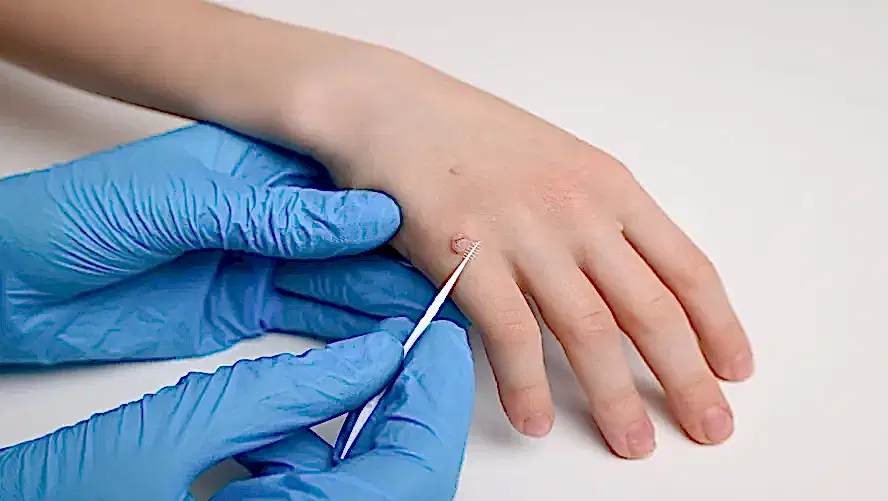


Surgical Scar Treatment

Surgical Scar Treatment, under Uzm.Dr. Ecem Cantürk Nazlı’s area of expertise, this procedure addresses the need for both aesthetic improvement and functional restoration. In Izmir, patients benefit from anatomical enhancements and lasting results, which transform the appearance and structure of scars. This treatment not only aims to improve skin quality but also provides a problem-oriented approach that caters to individual needs.
The procedure ensures a natural and balanced outcome, enhancing both physical appearance and psychological well-being. By focusing on rejuvenation and recovery, patients often experience increased comfort and self-confidence. The controlled application and minimally invasive techniques contribute to the overall satisfaction of those seeking a harmonious transformation.
What Is Surgical Scar Treatment?
Surgical scar treatment is a medical procedure aimed at minimizing the appearance of scars resulting from surgical incisions. It addresses the aesthetic concerns associated with post-operative scars by targeting the skin’s surface to improve texture and tone. This treatment is designed to enhance the skin’s appearance and restore a more uniform look to the affected area.
In the field of dermatology, surgical scar treatment is significant as it applies specialized techniques to improve skin aesthetics. It may be suitable for patients with visible scars following surgery who seek cosmetic improvement. The decision to proceed with this treatment is individualized, as it depends on factors such as scar location, size, and patient skin type. A dermatologist evaluates these factors to determine the most appropriate approach for each patient.
How Is Surgical Scar Treatment Performed?
The process of surgical scar treatment in a clinical setting involves several stages, beginning with a comprehensive evaluation of the scar. The dermatologist will assess the scar’s characteristics and overall skin condition to create a tailored treatment plan. This initial assessment is crucial for determining the appropriate therapeutic approach.
During the examination, I evaluate factors such as scar depth, skin type, and patient expectations to decide on the treatment strategy. This assessment enables a precise and personalized plan, ensuring the chosen method aligns with the patient’s unique needs. The evaluation process is key to achieving optimal outcomes.
The application stage involves utilizing specific techniques based on the treatment plan. A controlled and individualized approach is essential, allowing for adjustments to be made as necessary. In our clinic, we prioritize patient comfort and satisfaction, ensuring each step is performed with care and precision to enhance the scar’s appearance effectively.
Types of Surgical Scar Treatment Methods
There are various methods available for treating surgical scars, each tailored to address specific types of scarring. Understanding these options can help patients and practitioners choose the most appropriate treatment.
Laser Therapy
Laser therapy is commonly used to reduce the appearance of scars by resurfacing the skin and stimulating new cell growth. Different types of lasers may be utilized depending on the scar’s characteristics.
Corticosteroid Injections
Corticosteroid injections are often employed for hypertrophic and keloid scars, helping to reduce inflammation and flatten the scar tissue over time.
Silicone Gel Sheets
Silicone gel sheets are a non-invasive method to soften and flatten scars. They work by hydrating the scar tissue, which can improve its appearance.

Personalized Treatment
Every individual’s skin and skin structure are unique. Therefore, Surgical Scar Treatment should be personalized for each person.

Sterile Clinical Environment
Surgical Scar Treatment must be performed under the supervision of a specialist physician and in a sterile clinical environment.

Treatment Tailored to Your Needs
In our clinic, the number of sessions is customized specifically for you, both for Surgical Scar Treatment and our other treatments.
Factors Influencing the Choice of Treatment
Several factors can affect the decision-making process when selecting a surgical scar treatment. These considerations help tailor the treatment to the individual’s specific needs.
- Type and severity of the scar
- Location on the body
- Patient’s skin type and sensitivity
- Previous treatments and their effectiveness
- Patient’s overall health and medical history
Expected Recovery Time and Post-Treatment Care
Recovery time and post-treatment care are crucial aspects of surgical scar treatment. They can vary significantly based on the chosen method.
Immediate Aftercare
Aftercare often includes keeping the treated area clean and protected from sunlight. Specific instructions may differ depending on the treatment.
Long-Term Care
Long-term care may involve regular follow-ups and the use of topical treatments to maintain results and prevent scar recurrence.
Potential Side Effects and Complications
Like any medical procedure, surgical scar treatments come with potential side effects and complications. Being aware of these can help in managing expectations and preparation.
- Redness and swelling
- Temporary discomfort or pain
- Risk of infection
- Changes in skin pigmentation
Effectiveness of Surgical Scar Treatments
The effectiveness of surgical scar treatments can vary based on multiple factors. Understanding these can help in setting realistic goals and expectations.
Patient Compliance
Adherence to post-treatment care instructions is crucial for the success of any treatment. Consistent follow-up and care can enhance outcomes.
Type of Scar
The type and age of the scar significantly affect how well it responds to treatment. Older scars may need more intensive or prolonged treatment compared to newer ones.
Comparing Surgical Scar Treatments
When choosing a treatment, comparing various options can be beneficial. This comparison involves several key factors that influence decision-making.
- Cost of treatment
- Duration and number of sessions required
- Intensity and invasiveness of the procedure
- Expected outcomes and permanence of results
| Feature | Description |
|---|---|
| Procedure Duration | 30 to 60 minutes per session |
| Duration of Effect | Permanent with adequate care |
| Recommended Sessions | Varies; often 3-5 sessions |
| Side Effects | Redness, swelling, temporary discomfort |
| Recovery Period | 1 to 2 weeks |
| Treatment Areas | Face, chest, back, arms, legs |
Expert Clinical Evaluation and Personalized Treatment Planning
In the clinical evaluation of surgical scar treatment, a comprehensive understanding of anatomical and dermatological variables is crucial. Each patient’s unique skin type, tissue characteristics, and the depth and orientation of the scar play significant roles in determining the most suitable approach. By thoroughly assessing these factors, specialists can identify potential challenges and tailor treatment plans to address individual needs effectively, ensuring that interventions are based on careful analysis rather than a one-size-fits-all approach.
Expert evaluation also considers the patient’s medical history, including any prior procedures and their outcomes, as well as existing dermatological conditions that may influence healing. This holistic approach allows for the anticipation of tissue responses and the formulation of a strategy that supports long-term balance and maintenance. By prioritizing these elements, dermatologists like Uzm.Dr. Ecem Cantürk Nazlı in Izmir ensure that each step of the treatment process is informed by a deep understanding of the intricate interplay between clinical variables and patient-specific factors.
Key Considerations in Clinical Decision-Making
- Anatomical structure and tissue characteristics
- Skin type and existing dermatological conditions
- Previously applied procedures and responses
- Long-term balance and maintenance requirements
Surgical Scar Treatment Prices
Prices for surgical scar treatment can vary significantly from person to person due to individual variables such as the complexity of the scar, skin type, and specific treatment needs. As each patient’s situation is unique, a standard price cannot be provided without a thorough clinical evaluation. To receive an accurate assessment and pricing tailored to your specific needs, please contact the clinic directly. Our team will guide you through the evaluation process and answer any questions you may have.
Conclusion
Surgical scar treatment addresses the need for reducing the visibility and discomfort associated with scars, enhancing both aesthetic and functional outcomes. The decisive role of individualized evaluation cannot be overstated, as it ensures that each treatment plan is tailored to the unique characteristics of the scar and the patient. Through thorough examination and the expert opinion of Uzm. Dr. Ecem Cantürk Nazlı, the process is shaped with precision and care. This clinical approach relies on a balanced assessment to optimize treatment outcomes, providing a comprehensive strategy for managing surgical scars.
Surgical Scar Treatment Frequently Asked Questions
Question: Is the procedure painful?
Answer: The level of discomfort experienced during surgical scar treatment can vary depending on the method used and individual sensitivity. Generally, local anesthesia is applied to minimize any pain, ensuring a more comfortable experience for the patient.
Question: When can I expect to see results from the treatment?
Answer: The timeline for noticing results can differ based on the specific treatment and individual healing response. Typically, improvements may become visible within a few weeks, with continued progress over several months as the scar gradually remodels.
Question: How many sessions are required for optimal results?
Answer: The number of sessions needed can vary depending on the size, location, and type of scar being treated. Uzm. Dr. Ecem Cantürk Nazlı will provide a personalized treatment plan during the initial consultation to determine the appropriate number of sessions.
Question: What are the possible side effects of surgical scar treatment?
Answer: Possible side effects may include temporary redness, swelling, or itching at the treatment site, which typically resolve within a few days. It is important to follow all post-treatment care instructions provided by your physician to minimize these effects.