

Melasma Treatment
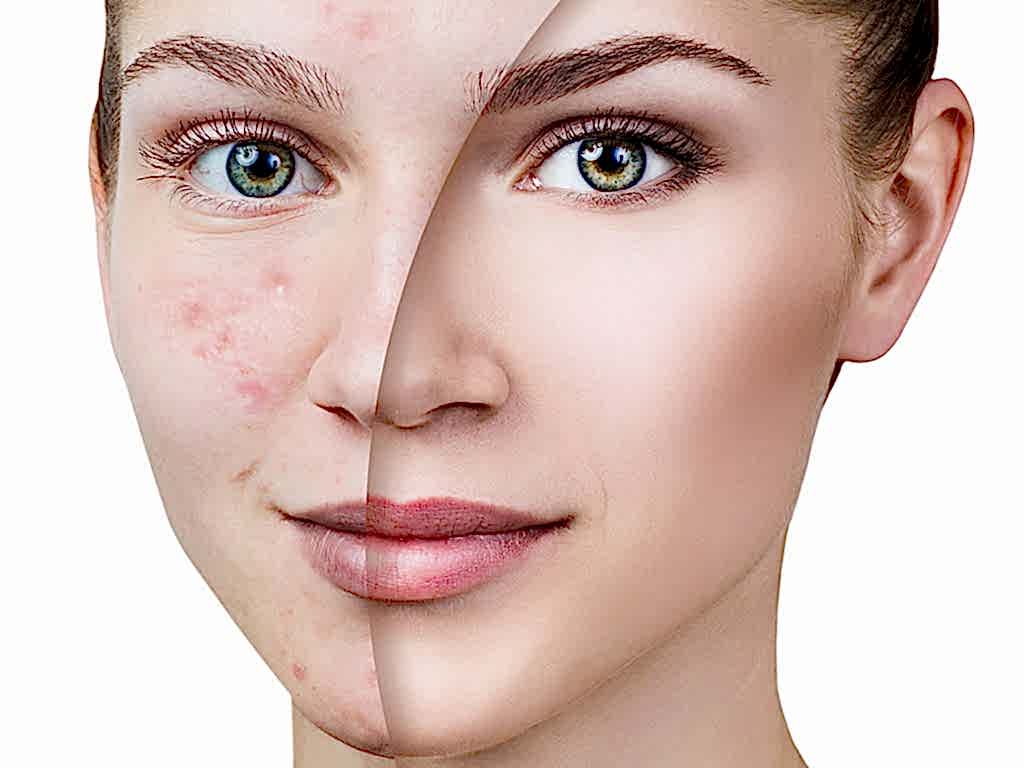
Melasma Treatment, expertly handled by Uzm.Dr. Ecem Cantürk Nazlı in Izmir, addresses the persistent pigmentation challenges faced by many. As a dermatologist’s area of expertise, this procedure offers significant aesthetic and functional benefits through methods like skin renewal and targeted laser applications. The procedure is designed to improve skin quality with a problem-oriented approach, ensuring a controlled and effective process.
Patients can expect natural and balanced results that contribute to both physical appearance and psychological well-being. The treatment not only rejuvenates the skin but also aids in recovery and comfort, enhancing self-confidence. By focusing on a minimally invasive approach, these treatments ensure that individuals experience an increase in overall satisfaction with their appearance.
What Is Melasma Treatment?
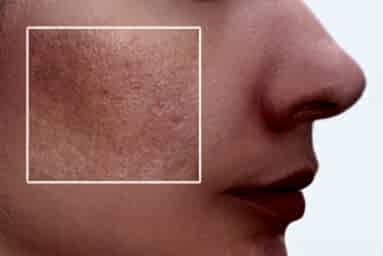
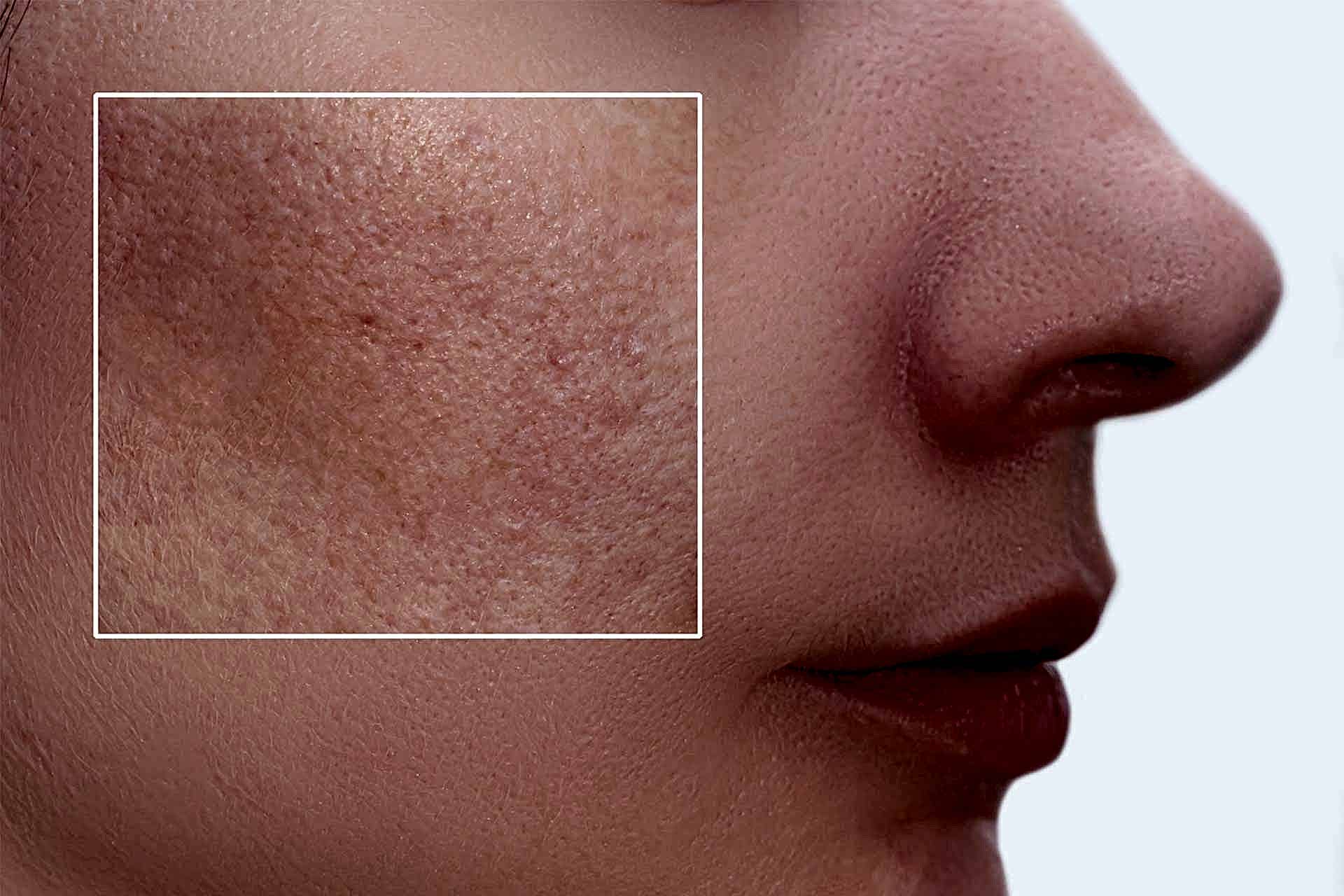
Melasma treatment is a dermatological procedure aimed at reducing hyperpigmented patches on the skin, primarily affecting areas exposed to the sun. The treatment targets the overproduction of melanin, which causes these brown or gray-brown patches, often on the face. This treatment is essential for improving skin tone and appearance, providing relief for those experiencing this common pigmentation disorder.
Melasma treatment falls within the expertise of dermatologists, who evaluate each patient’s unique skin type and condition to determine the most appropriate intervention. This approach is crucial because the causes and severity of melasma can vary significantly among individuals. Therefore, a personalized treatment plan is necessary, which may include topical agents, chemical peels, or laser therapies, depending on the patient’s specific needs and the professional judgement of the dermatologist.
How Is Melasma Treatment Applied?
In our clinic, the melasma treatment process begins with a comprehensive consultation to understand the patient’s skin concerns and history. The general framework involves assessing the extent of pigmentation and discussing potential treatment options that align with the patient’s goals. This initial stage is crucial for setting realistic expectations and ensuring a tailored approach.
During the examination, I evaluate factors such as skin type, the severity of melasma, and any previous treatments used by the patient. This evaluation guides my decision-making process, allowing me to recommend the most suitable treatment modalities. Consideration is given to the patient’s overall health, lifestyle, and any contraindications that may influence the treatment outcome.
The application stage involves a controlled and individualized approach, employing techniques such as topical treatments, chemical peels, or laser therapies. In cases where laser treatment is appropriate, devices like the Q-switched Nd:YAG laser may be used to target pigment cells effectively. The goal is to achieve gradual improvement while minimizing side effects, with close monitoring and adjustments made as necessary to optimize results.
Understanding the Causes and Triggers of Melasma
Melasma is a complex skin condition influenced by multiple factors. While the exact cause is not entirely understood, it is commonly associated with hormonal changes, sun exposure, and genetic predisposition. Understanding these triggers can help in formulating an effective treatment plan.
Hormonal Influences
Hormonal fluctuations, such as those during pregnancy or from oral contraceptive use, are significant contributors to melasma. These changes stimulate melanocytes, leading to increased pigment production.
Environmental Factors
Ultraviolet (UV) radiation from the sun is a well-known trigger for melasma. Protecting the skin from UV exposure is crucial in both the prevention and treatment of melasma.

Personalized Treatment
Every individual’s skin and skin structure are unique. Therefore, Melasma Treatment should be personalized for each person.

Sterile Clinical Environment
Melasma Treatment must be performed under the supervision of a specialist physician and in a sterile clinical environment.

Treatment Tailored to Your Needs
In our clinic, the number of sessions is customized specifically for you, both for Melasma Treatment and our other treatments.
Treatment Options Available for Melasma
There are several treatment modalities available for managing melasma, each with its own mechanism of action. The choice of treatment depends on the individual’s skin type, the severity of melasma, and other personal factors.
- Topical Treatments: Creams containing hydroquinone, tretinoin, and corticosteroids are commonly used to lighten melasma.
- Chemical Peels: These involve the application of a chemical solution to exfoliate the skin, promoting new skin growth and reducing pigment.
- Laser Therapy: Fractional lasers are increasingly used to target and reduce melanin deposits in the skin.
Assessing the Effectiveness of Different Melasma Treatments
Evaluating the success of melasma treatments involves various criteria, including skin type compatibility, duration of results, and patient satisfaction. Each treatment offers distinct advantages and limitations.
- Topical Agents: Typically effective for mild cases, but require consistent application and patience.
- Chemical Peels: Provides quicker results compared to topicals, but may involve downtime.
- Laser Therapy: Offers targeted treatment with minimal downtime, though multiple sessions may be needed.
Post-Treatment Care and Maintenance
Proper post-treatment care is crucial in maintaining the results of melasma treatment and preventing recurrence. Patients should follow a comprehensive skincare routine tailored by their dermatologist.
Sun Protection
Consistent use of broad-spectrum sunscreen with an SPF of 30 or higher is essential to protect treated skin from UV damage.
Regular Follow-up
Scheduled visits to your dermatologist help ensure the treatment is progressing as expected and allow for adjustments if needed.
Potential Side Effects and Risks of Melasma Treatments
As with any medical procedure, melasma treatments carry potential risks and side effects, which should be carefully considered before proceeding.
- Topical Treatments: May cause irritation or allergic reactions in some individuals.
- Chemical Peels: Risk of redness, peeling, and sensitivity post-procedure.
- Laser Therapy: Possibility of temporary pigmentation changes or scarring.
Personalizing Melasma Treatment Plans
A personalized approach to melasma treatment is vital for achieving optimal results. Dermatologists consider various factors to customize a treatment strategy that aligns with the patient’s unique skin type and lifestyle.
Skin Type Considerations
The Fitzpatrick skin type classification helps determine the appropriate treatment intensity and modality, minimizing risks and enhancing outcomes.
Lifestyle and Preferences
Patients’ daily routines and preferences are factored into treatment planning to ensure compliance and satisfaction with the chosen regimen.
| Treatment Type | Procedure Duration | Recovery Period |
|---|---|---|
| Topical Creams | Daily application | None |
| Chemical Peels | 30-60 minutes | 1-2 weeks |
| Laser Therapy | 20-30 minutes per session | Several days |
| Microdermabrasion | 30-45 minutes | None to a few days |
| Oral Medications | Daily intake | None |
Clinical Evaluation and Personalized Treatment Planning
In the realm of dermatological treatments, a comprehensive clinical evaluation is essential to tailor interventions to individual needs. This involves a detailed assessment of the patient’s skin type, the depth and distribution of pigmentation, and the overall health of the skin. A thorough understanding of these variables allows for the development of a personalized treatment plan that considers the unique anatomical and dermatological characteristics of each patient.
Expert evaluation also takes into account the patient’s medical history, including any previously applied dermatological procedures and their outcomes. This knowledge aids in predicting potential responses to new treatments and in planning long-term management strategies. By focusing on these critical aspects, dermatologists can ensure that treatment plans are both effective and sustainable, aligning with the patient’s specific requirements and lifestyle.
Key Considerations in Clinical Decision-Making
- Assessment of anatomical structure and tissue characteristics.
- Identification of skin type and existing dermatological conditions.
- Review of previously applied procedures and their responses.
- Consideration of long-term balance and maintenance requirements.
Melasma Treatment Prices
The cost of melasma treatment can vary significantly from person to person due to individual variables such as skin type, treatment needs, and personal goals. As these factors influence the treatment plan, it is not feasible to provide a standard price. A thorough clinical evaluation is essential to determine the most appropriate course of action and associated fees. For detailed information tailored to your specific case, we encourage you to contact our clinic to schedule a consultation.
Conclusion
Melasma treatment addresses the need for reducing hyperpigmentation and achieving a more even skin tone. The importance of individualized evaluation in this process cannot be overstated, as each patient’s skin type and condition require a tailored approach. Under the expert guidance of Uzm. Dr. Ecem Cantürk Nazlı, the treatment process is shaped by thorough examination and professional insight. A clinical approach that emphasizes balance and precise assessment ensures that each patient receives care suited to their unique needs.
Melasma Treatment Frequently Asked Questions
Question: Is the procedure painful?
Answer: The discomfort experienced during melasma treatment is typically minimal. Most patients describe a mild sensation that is well-tolerated.
Question: When can I expect to see results from the treatment?
Answer: Initial improvements in skin tone may be observed within a few weeks. However, optimal results often develop over a longer period with continued treatment.
Question: Can I return to my daily activities immediately after the treatment?
Answer: Yes, most patients can resume their daily activities right after the procedure. It is advisable to follow any post-treatment care instructions provided by your physician.
Question: Are there any side effects associated with melasma treatment?
Answer: Some patients may experience mild redness or irritation following the treatment. These effects are generally temporary and resolve on their own.