
Under-Eye Dark Circles
Under-Eye Dark Circles, a common concern for many, can be effectively addressed through targeted treatments that focus on both aesthetic and functional improvement. In Izmir, Uzm. Dr. Ecem Cantürk Nazlı’s area of expertise, this procedure offers a promising approach to enhancing the anatomical structure beneath the eyes, leading to a more refreshed and youthful appearance. Patients can expect a nuanced balance between aesthetic appeal and functional rejuvenation, contributing to overall skin quality and a renewed sense of confidence.
Achieving natural and balanced results is key in the treatment of Under-Eye Dark Circles, ensuring that the outcomes seamlessly integrate with one’s facial features. This approach not only aids in physical rejuvenation but also supports psychological well-being, enhancing self-confidence and comfort. Through careful and controlled procedures, patients experience a transformation that feels both subtle and significant, fostering a new sense of self-assurance.
What Is Under-Eye Dark Circles?
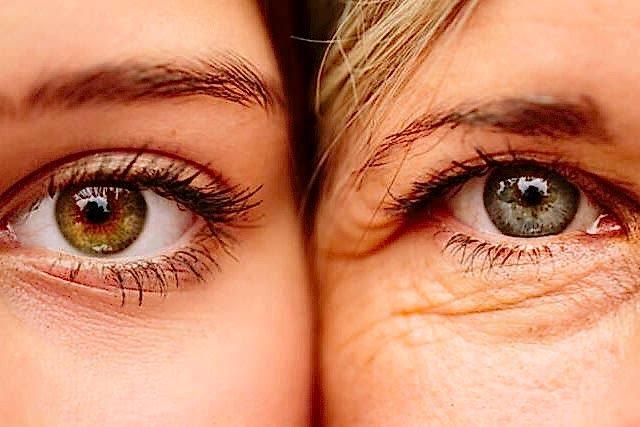
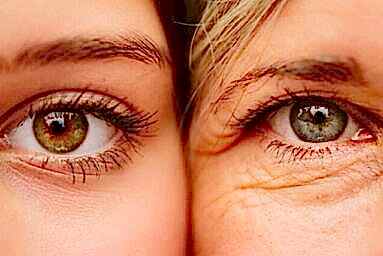
Under-eye dark circles are discolorations that appear under the eyes, often causing a tired or aged appearance. These circles can result from various factors such as genetics, aging, or lifestyle habits, and they typically involve the blood vessels and thin skin in the under-eye area. Addressing the aesthetic concern of dark circles can improve the overall appearance of the face, making it look more refreshed and youthful.
In the field of dermatology, under-eye dark circles are considered a common cosmetic concern that may affect individuals of various age groups. Patients who experience this issue may seek treatment for aesthetic reasons and to boost self-confidence. Dermatologists evaluate each case individually to determine the underlying cause, as this influences the most appropriate treatment plan. Personalized assessment ensures that the chosen treatment aligns with the patient’s unique dermatological needs.
How Is Under-Eye Dark Circles Performed?
The process of addressing under-eye dark circles in a clinical setting involves a comprehensive evaluation and tailored approach. Initially, patients undergo a consultation to discuss their concerns and expectations. The procedure framework centers on understanding the specific causes of the dark circles and selecting the most suitable treatment options available.
During the examination, I evaluate the patient’s skin type, the severity of the dark circles, and any contributing factors. The decision-making process involves considering the patient’s overall health, lifestyle, and aesthetic goals. This thorough examination helps in formulating a personalized treatment plan that addresses the individual’s specific needs.
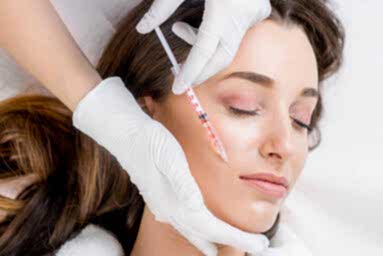
In our clinic, the application of treatments for under-eye dark circles is conducted with precision and care. Depending on the findings, a range of treatments such as topical applications, laser therapy, or injectable fillers may be considered. Each treatment is applied with a controlled and individualized approach, ensuring the safety and comfort of the patient while aiming to achieve the desired aesthetic results.
Causes of Under-Eye Dark Circles
Under-eye dark circles can be attributed to a variety of causes, each contributing to the condition in different ways. Understanding these causes is crucial for determining the most appropriate treatment options.
Genetic Factors
Genetic predisposition plays a significant role in the development of under-eye dark circles. Individuals with a family history of dark circles are more likely to experience this condition themselves.
Lifestyle and Environmental Influences
Several lifestyle factors, such as insufficient sleep, excessive alcohol consumption, and smoking, can exacerbate the appearance of dark circles. Environmental factors like prolonged sun exposure can also contribute by increasing melanin production.
Medical Conditions
Certain medical conditions, such as allergies, eczema, and nasal congestion, can cause dark circles to appear due to increased blood flow and inflammation in the area. Addressing these underlying conditions may help alleviate the appearance of dark circles.

Personalized Treatment
Every individual’s skin and skin structure are unique. Therefore, Under-Eye Dark Circles should be personalized for each person.

Sterile Clinical Environment
Under-Eye Dark Circles must be performed under the supervision of a specialist physician and in a sterile clinical environment.

Treatment Tailored to Your Needs
In our clinic, the number of sessions is customized specifically for you, both for Under-Eye Dark Circles and our other treatments.
Clinical Treatments for Under-Eye Dark Circles
Various clinical treatments are available to address under-eye dark circles. These treatments aim to reduce pigmentation, improve skin texture, and stimulate collagen production.
Laser Therapy
Laser therapy is a popular option for reducing pigmentation and improving skin texture. It works by targeting melanin deposits and promoting collagen production. Different types of lasers can be used depending on the specific cause of the dark circles.
Dermal Fillers
Dermal fillers, often comprised of hyaluronic acid, can be injected into the under-eye area to add volume and reduce the appearance of dark circles. This treatment is particularly effective for addressing volume loss and hollowing under the eyes.
- Immediate results with minimal downtime
- Temporary solution, typically lasting 6 to 12 months
- Requires a skilled practitioner to avoid adverse effects
Risks and Considerations of Clinical Procedures
While clinical treatments for under-eye dark circles can be effective, it is important to be aware of the potential risks and considerations associated with these procedures.
Possible Side Effects
- Swelling and bruising at the treatment site
- Infection or allergic reactions
- Changes in skin pigmentation
Patient Suitability
Not all individuals are suitable candidates for every treatment. Factors such as skin type, medical history, and specific causes of dark circles must be considered when selecting an appropriate treatment plan.
Post-Procedure Care and Maintenance
Proper post-procedure care is essential to maximize the benefits of clinical treatments for under-eye dark circles and minimize potential complications.
Immediate Aftercare
- Applying cold compresses to reduce swelling
- Avoiding sun exposure and using sunscreen
- Following specific instructions provided by the healthcare professional
Long-Term Maintenance
Maintaining a healthy lifestyle, including adequate sleep, a balanced diet, and hydration, can help sustain the results of clinical treatments and prevent the recurrence of dark circles.
Comparing Non-Invasive and Invasive Procedures
When considering treatment options for under-eye dark circles, it is important to compare the benefits and limitations of non-invasive and invasive procedures.
Non-Invasive Procedures
- Minimal discomfort and downtime
- Gradual improvements over multiple sessions
- Suitable for individuals seeking subtle enhancements
Invasive Procedures
Invasive procedures, such as surgical interventions, may offer more dramatic results but come with increased risks and recovery times. These procedures are generally considered for more severe cases of dark circles.
| Feature | Description |
|---|---|
| Procedure Duration | Typically 30-60 minutes per session |
| Duration of Effect | Varies from 3 to 12 months |
| Recommended Number of Sessions | 1 to 3 sessions |
| Side Effects | Redness, swelling, mild bruising |
| Recovery Period | Minimal, usually within a few hours to a day |
| Treatment Areas | Under-eye region |
Clinical Evaluation and Expert Approach
In the clinical evaluation process, a comprehensive understanding of both anatomical and dermatological factors is fundamental. Each patient’s unique facial structure and skin characteristics are carefully assessed to inform the approach to treatment. This evaluation considers the underlying bone structure, tissue density, and skin elasticity, allowing for a tailored plan that addresses the specific needs and conditions present.
Expert perspective is central to developing a treatment strategy that takes into account not only the immediate appearance but also long-term maintenance and health of the skin. By evaluating previous treatments and their outcomes, and considering the patient’s skin type and any existing conditions, a holistic and informed decision-making process is employed. This ensures that the chosen approach aligns with both the patient’s aesthetic goals and dermatological health.
Key Evaluation Criteria in Clinical Decision-Making
- Assessment of anatomical structure and tissue characteristics
- Consideration of skin type and existing dermatological conditions
- Review of previously applied procedures and their responses
- Planning for long-term balance and maintenance requirements
Under-Eye Dark Circles Price
Pricing for treating under-eye dark circles can vary significantly depending on individual factors such as unique skin characteristics and specific treatment needs. Because of these personal differences, a standard price cannot be provided prior to a detailed clinical evaluation. This assessment allows for a tailored treatment plan that accurately reflects your individual requirements. We encourage you to contact our clinic to schedule a consultation, where a comprehensive evaluation will help determine the appropriate fee for your personalized treatment plan.
Conclusion
The under-eye dark circles procedure addresses the aesthetic need to reduce discoloration and tired appearance under the eyes. The process is guided by a thorough individualized evaluation, where the expertise of Uzm.Dr. Ecem Cantürk Nazlı plays a crucial role in determining the best approach for each patient. The examination and physician’s opinion are pivotal in shaping a treatment plan that is tailored to the patient’s unique needs. A clinical approach, emphasizing balance and careful assessment, ensures that the procedure aligns with the patient’s overall health and aesthetic goals.
Under-Eye Dark Circles Frequently Asked Questions
Question: Is the procedure for under-eye dark circles painful?
Answer: The procedure is generally well-tolerated by patients, with most experiencing minimal discomfort. Local anesthesia or numbing creams are often used to enhance comfort during the treatment.
Question: When can I expect to see the results of the treatment?
Answer: Results can vary, but many patients start noticing improvements within a few weeks after the procedure. The full effects typically become more apparent after several sessions.
Question: How many sessions are typically required for optimal results?
Answer: The number of sessions needed depends on the individual’s skin condition and treatment goals. Generally, multiple sessions are recommended to achieve the desired outcome.
Question: What are the possible side effects of the procedure?
Answer: Common side effects may include temporary redness, swelling, or bruising in the treated area. These effects are usually mild and resolve shortly after the procedure.