
PRP Therapy
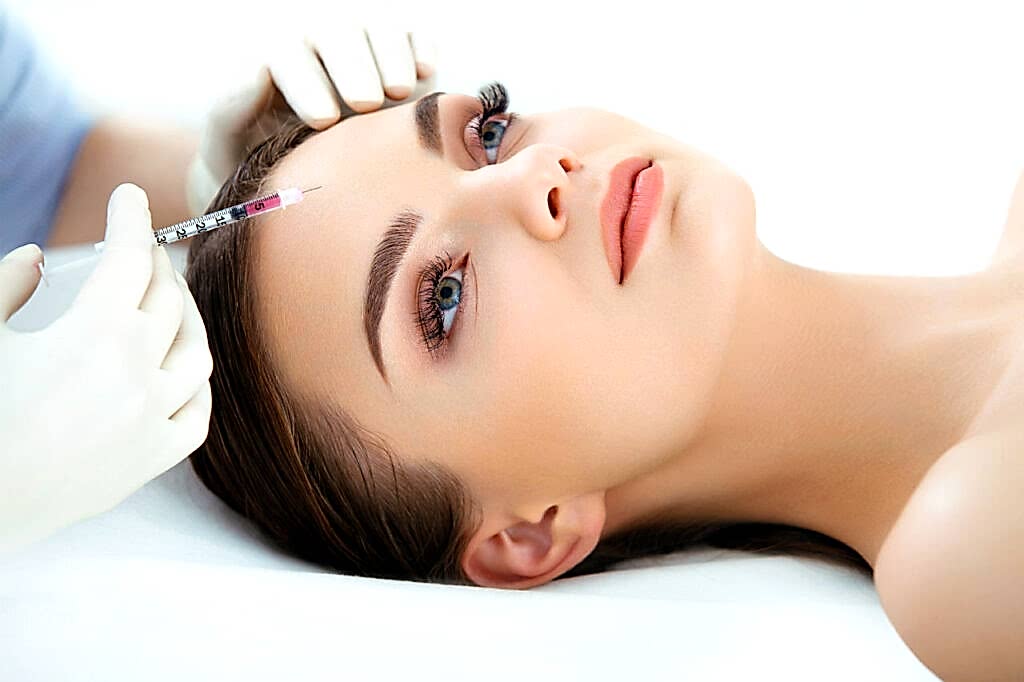
PRP Therapy, in Uzm.Dr. Ecem Cantürk Nazlı’s area of expertise, this procedure addresses the need for enhanced skin quality and renewal. With a problem-oriented approach, it offers a minimally invasive solution that promotes a natural appearance and controlled effect. Based in Izmir, this therapy combines aesthetic and functional benefits, providing individuals with a subtle yet significant improvement in their skin’s appearance and texture.
Patients often perceive the results of PRP Therapy as natural and balanced, leading to both physical rejuvenation and psychological comfort. This procedure can contribute to an increase in self-confidence, offering a renewed sense of well-being. As a minimally invasive method, it facilitates recovery and ensures a smooth experience, aligning with the patient’s desire for effective and comforting skin treatment.
What Is PRP Therapy?
Platelet-Rich Plasma (PRP) Therapy is a medical treatment that uses a concentration of a patient’s own platelets to accelerate healing and rejuvenation processes. This therapy targets tissues such as skin and hair follicles, promoting regeneration and repair by enhancing cellular functions. It is often used to address dermatological issues such as hair thinning, skin aging, and scarring.
PRP Therapy is particularly relevant in the field of dermatology, aiding in skin rejuvenation and hair restoration. Suitable for patients experiencing hair loss, skin laxity, or scarring, it is often chosen for its natural approach and minimal risk of allergic reactions. Individual evaluations are essential as responses vary, and a tailored treatment plan ensures optimal outcomes based on specific skin and hair conditions.
How Is PRP Therapy Performed?
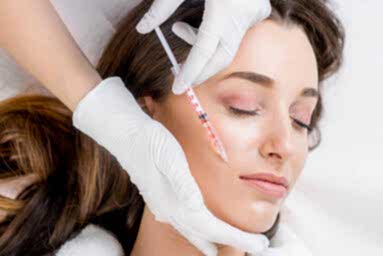
PRP Therapy involves a systematic process that begins with the collection of a small amount of the patient’s blood. This blood is then processed to concentrate the platelets, which are rich in growth factors. The resulting PRP is injected into the targeted areas in the clinic, promoting tissue repair and regeneration.
During the examination, I evaluate the patient’s specific needs and medical history to determine the suitability of PRP Therapy. Factors such as skin condition and hair density are considered to ensure the best approach. A personalized treatment plan is developed to address the unique requirements of each patient.
In our clinic, the application of PRP Therapy is conducted with precision and care, ensuring a controlled and individualized approach. The therapy aims to enhance natural healing processes, and sessions are scheduled according to the patient’s progress and treatment goals. My approach emphasizes patient safety and comfort, adapting the procedure to achieve effective results.
Benefits of PRP Therapy in Clinical Settings
PRP therapy offers several distinct advantages when performed in a clinical setting. These benefits are rooted in its minimally invasive nature and the utilization of the patient’s own biological material, reducing the risk of allergic reactions or infections.
Safety and Biocompatibility
PRP therapy uses the patient’s own blood, which significantly minimizes the risk of adverse reactions and ensures biocompatibility. This makes it a favorable option for many individuals, particularly those who may be sensitive to foreign substances.
Versatility in Treatment
PRP therapy is versatile and can be applied to various medical and cosmetic fields. It is used effectively in dermatology, orthopedics, and dentistry, among others. This adaptability makes it a valuable tool in clinical practice.

Personalized Treatment
Every individual’s skin and skin structure are unique. Therefore, PRP Therapy should be personalized for each person.

Sterile Clinical Environment
PRP Therapy must be performed under the supervision of a specialist physician and in a sterile clinical environment.

Treatment Tailored to Your Needs
In our clinic, the number of sessions is customized specifically for you, both for PRP Therapy and our other treatments.
Expected Outcomes and Efficacy
The outcomes of PRP therapy vary depending on the condition being treated and individual patient factors. Understanding these variables can help set realistic expectations for patients.
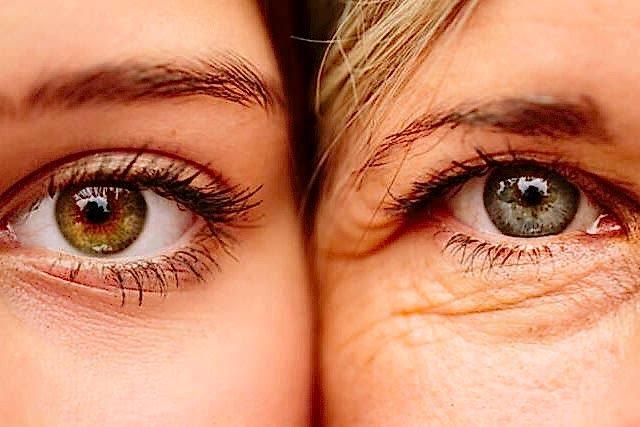
- Improvement in skin texture and tone when used for cosmetic purposes.
- Enhanced healing and pain reduction in orthopedic treatments.
- Accelerated recovery times in post-surgical applications.
Potential Risks and Side Effects
While PRP therapy is generally considered safe, it is important to be aware of potential risks and side effects. Having a comprehensive understanding of these can assist in informed decision-making.
- Minor pain or discomfort at the injection site.
- Temporary inflammation or swelling.
- Rare instances of infection due to improper technique.
Comparative Analysis with Other Regenerative Therapies
PRP therapy is often compared to other regenerative treatment options. Understanding its unique position among these therapies can aid in the selection process.
- Stem Cell Therapy: While both use biological components, stem cell therapy involves more complex procedures and regulatory considerations.
- Hyaluronic Acid Injections: These provide immediate relief but do not promote long-term tissue regeneration like PRP.
- Traditional Corticosteroid Injections: Corticosteroids reduce inflammation rapidly but may not offer the regenerative benefits seen with PRP.
Preparation and Pre-Treatment Considerations
Proper preparation is crucial to the success of PRP therapy. Patients need to adhere to specific guidelines to ensure optimal results.
Initial Consultation and Assessment
A thorough consultation is necessary to evaluate the patient’s eligibility and discuss potential outcomes. This step involves reviewing medical history and current health status.
Pre-Treatment Guidelines
- Avoid anti-inflammatory medications a week before treatment to ensure optimal platelet function.
- Stay hydrated and maintain a healthy diet to support blood quality.
- Discuss any concerns or conditions with your healthcare provider beforehand.
Post-Procedure Care and Recovery
After undergoing PRP therapy, adhering to post-procedure care instructions is essential for minimizing side effects and maximizing benefits.
Immediate Aftercare
Patients may experience mild discomfort, which can be alleviated with over-the-counter pain relievers, excluding anti-inflammatory medications.
Long-Term Recovery Process
- Patients should avoid strenuous activities for a few days to allow proper healing.
- Follow-up appointments are crucial to monitoring progress and adjusting treatment plans as necessary.
- In some cases, additional PRP sessions may be recommended to achieve desired results.
| Feature | Description |
|---|---|
| Procedure Duration | Approximately 45-60 minutes |
| Duration of Effect | 6-12 months |
| Recommended Number of Sessions | 3-4 sessions |
| Side Effects | Mild swelling, redness, and bruising |
| Recovery Period | Minimal, usually 1-2 days |
| Treatment Areas | Scalp, face, joints |
Clinical Evaluation and Expert Approach
When evaluating patients for any dermatological or medical aesthetic procedure, it is essential to consider a comprehensive clinical approach that incorporates anatomical and dermatological factors. This involves a thorough examination of the skin’s anatomical structure and tissue characteristics to assess suitability and determine the most appropriate intervention. Factors such as skin thickness, elasticity, vascularity, and any underlying dermatological conditions are carefully considered to ensure that each patient receives a personalized treatment plan.
Our expert perspective prioritizes a holistic understanding of each patient’s unique anatomical and structural variables. By evaluating previous procedures and their outcomes, we can tailor future treatments to align with the individual’s long-term dermatological health and aesthetic goals. This comprehensive assessment not only guides the choice of procedures but also aids in planning for sustained maintenance and balance, ensuring a thoughtful and informed approach to patient care.
Key Factors in Clinical Decision-Making
- Anatomical structure and tissue characteristics
- Skin type and existing dermatological conditions
- Previously applied procedures and responses
- Long-term balance and maintenance requirements
PRP Therapy Prices
The cost of PRP Therapy can vary significantly due to individual variables such as unique physiological structures and specific treatment needs. Each patient’s journey is distinct, making it impossible to establish a standard price without a personalized assessment. Therefore, it is crucial to undergo a clinical evaluation to determine the appropriate plan tailored to your specific requirements. For precise pricing information and to discuss your personalized treatment plan, please contact our clinic. Our team will be happy to guide you through the process and answer any questions you may have.
Conclusion
PRP Therapy addresses the need for natural rejuvenation by utilizing the body’s own regenerative capabilities. The procedure’s effectiveness is greatly influenced by a thorough, individualized evaluation, ensuring that each patient’s unique requirements are considered. Uzm.Dr. Ecem Cantürk Nazlı emphasizes the importance of clinical assessment and physician expertise in guiding the treatment process. This approach ensures a balanced and personalized plan that aligns with the patient’s expectations and clinical indications.
PRP Therapy Frequently Asked Questions
Question: Is the PRP Therapy procedure painful?
Answer: PRP Therapy is generally well-tolerated by patients, with minimal discomfort during the procedure. Local anesthesia can be applied to enhance comfort.
Question: When can I expect to see results from PRP Therapy?
Answer: Initial improvements may be noticeable within a few weeks, but optimal results typically develop over several months as the regenerative process progresses.
Question: How many sessions of PRP Therapy are usually required?
Answer: The number of sessions varies depending on individual needs and the specific condition being treated. Typically, a series of three to four sessions is recommended for best outcomes.
Question: Are there any side effects associated with PRP Therapy?
Answer: PRP Therapy is generally considered safe, with minor side effects such as temporary redness or swelling at the injection site. These effects usually resolve quickly.