

Nail Fungus Treatment
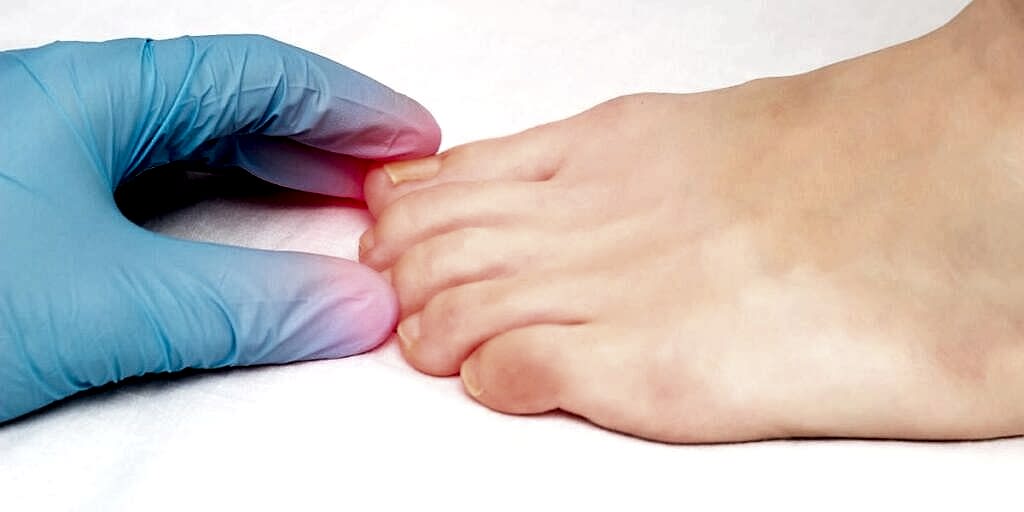
Nail Fungus Treatment, expertly handled by Uzm.Dr. Ecem Cantürk Nazlı in Izmir, addresses persistent fungal infections affecting the nails. This procedure focuses on both aesthetic and functional improvements, offering patients a renewed sense of comfort while enhancing the visual quality of their nails. With a problem-oriented approach, the treatment is designed to improve skin quality and prevent future infections, ensuring a healthier and more resilient nail structure.
Patients can expect natural and balanced results from this targeted treatment, which contributes to both physical and psychological well-being. The process promotes a sense of rejuvenation and recovery, allowing individuals to regain confidence in their appearance. By providing controlled applications and a technology-supported process, this treatment offers a comprehensive solution to nail fungus, fostering overall comfort and self-assurance.
What Is Nail Fungus Treatment?
Nail fungus treatment is a medical intervention aimed at eradicating fungal infections affecting the nails, primarily the toenails. This condition, known as onychomycosis, results in discoloration, thickening, and brittleness of the nails, and may cause discomfort or pain. The treatment targets the fungal organisms residing beneath the nail surface to restore nail health and appearance.
In the field of dermatology, nail fungus treatment is significant as it addresses both medical and aesthetic concerns. It may be suitable for individuals experiencing persistent nail changes or those at risk of complications due to underlying health conditions. The decision to initiate treatment is made following a thorough clinical evaluation, ensuring that each patient’s unique circumstances are considered. This personalized approach ensures the most appropriate and effective management of the condition.
How Is Nail Fungus Treatment Performed?
The process of nail fungus treatment in the clinic involves a comprehensive approach beginning with an accurate diagnosis. The general framework includes identifying the specific type of fungal infection and determining the severity of the condition. This guides the selection of the most suitable treatment modality, which may include topical or oral antifungal medications.
During the examination and decision-making phase, I evaluate various factors such as the extent of the infection, the patient’s medical history, and any potential contraindications. This thorough assessment allows for a tailored treatment plan that addresses the specific needs of each patient, ensuring optimal care and outcomes.
In our clinic, the application stage is conducted with a controlled and individualized approach. For cases involving device-based treatments, options such as the Q-switched Nd:YAG laser may be considered to enhance treatment efficacy. My approach emphasizes the importance of a patient-centered strategy, adapting the treatment plan as needed to achieve the best possible results while monitoring progress closely throughout the course of treatment.
Common Types of Nail Fungus
Nail fungus, also known as onychomycosis, can present in various forms, each requiring specific treatment approaches. Understanding the different types can aid in selecting the most appropriate treatment.
Distal Subungual Onychomycosis
This is the most prevalent form of nail fungus, affecting the nail bed and underside of the nail. It often results in a yellowish discoloration and thickening of the nail.
White Superficial Onychomycosis
Characterized by white spots on the nail surface, this type of fungus typically affects toenails and can be treated with topical antifungal treatments.
Proximal Subungual Onychomycosis
This rare form usually occurs in individuals with compromised immune systems and causes white spots near the nail fold, spreading outward as the infection progresses.

Personalized Treatment
Every individual’s skin and skin structure are unique. Therefore, Nail Fungus Treatment should be personalized for each person.

Sterile Clinical Environment
Nail Fungus Treatment must be performed under the supervision of a specialist physician and in a sterile clinical environment.

Treatment Tailored to Your Needs
In our clinic, the number of sessions is customized specifically for you, both for Nail Fungus Treatment and our other treatments.
Medical Treatments for Nail Fungus
There are several professional treatments available to address nail fungus, each with its own advantages and suitability depending on the type and severity of the condition.
- Oral Antifungal Medications: These are often prescribed for severe infections, offering a systemic approach to eliminate fungus from within the body.
- Topical Antifungal Treatments: Creams and ointments can be directly applied to the affected nails, ideal for mild to moderate infections.
- Laser Treatment: Utilizing laser technology, this method targets the fungus directly, often requiring multiple sessions for optimal results.
Factors Influencing Treatment Success
Several factors can impact the effectiveness of nail fungus treatments. Understanding these can help in managing expectations and optimizing treatment plans.
Severity of Infection
The extent of the fungal infection significantly affects treatment success. Mild infections respond more readily to topical treatments, while severe cases might require a combination of therapies.
Patient Compliance
Adhering to prescribed treatment regimens is crucial. Inconsistent application of topical solutions or failure to complete oral medication courses can lead to suboptimal outcomes.
Underlying Health Conditions
Conditions such as diabetes or immune system disorders can complicate treatment, often necessitating a more comprehensive approach.
Side Effects and Considerations
While nail fungus treatments are generally safe, they can have side effects that patients should be aware of.
- Oral Medications: Potential side effects include liver damage and skin rashes, necessitating regular medical supervision.
- Topical Treatments: These are usually well-tolerated but can cause local irritation or allergic reactions in some individuals.
- Laser Treatment: Although considered safe, some patients may experience temporary discomfort or redness.
Complementary Therapies
In conjunction with medical treatments, complementary therapies can support the overall treatment plan for nail fungus.
- Foot Care Routine: Maintaining proper foot hygiene can prevent reinfection and support recovery.
- Nutritional Support: A balanced diet rich in vitamins and minerals can enhance immune function, aiding in fungal management.
- Alternative Therapies: Some patients explore essential oils or herbal remedies as additional support, although these should be discussed with a healthcare provider.
Prevention Strategies Post-Treatment
Preventing the recurrence of nail fungus is crucial following successful treatment. Implementing effective strategies can help maintain nail health.
Proper Foot Hygiene
Regular cleaning and drying of feet, along with wearing breathable footwear, can minimize the risk of fungal infections.
Nail Care Practices
Trimming nails properly and avoiding aggressive nail treatments can prevent damage and potential fungus entry points.
Regular Monitoring
Continual monitoring of nail health allows for early detection and intervention should the fungus reappear.
| Treatment Method | Procedure Duration | Recovery Period |
|---|---|---|
| Topical Antifungal Medication | Daily application for several weeks to months | None |
| Oral Antifungal Medication | Daily intake for 6-12 weeks | Minimal to none |
| Laser Treatment | 20-30 minutes per session | None |
| Surgical Nail Removal | 30-60 minutes | Several weeks |
Clinical Evaluation and Expert Planning
In evaluating treatment options, a comprehensive understanding of the patient’s unique dermatological profile is essential. This includes assessing the anatomical structure and tissue characteristics specific to each individual. By focusing on these variables, the approach is tailored to address the unique needs and potential challenges that may arise during the treatment process. The expertise of a dermatologist like Uzm.Dr. Ecem Cantürk Nazlı ensures that these factors are considered in depth, allowing for a personalized treatment plan that aligns with the patient’s specific circumstances.
Another critical aspect of clinical evaluation involves understanding the patient’s skin type and any existing dermatological conditions that may influence treatment outcomes. Previous procedures and their responses are also carefully reviewed to anticipate any potential reactions or complications. This thorough assessment not only aids in immediate treatment decisions but also supports long-term balance and maintenance, ensuring the patient’s dermatological health is managed effectively over time.
Key Considerations in Clinical Decision-Making
- Anatomical structure and tissue characteristics
- Skin type and existing dermatological conditions
- Previously applied procedures and responses
- Long-term balance and maintenance requirements
Nail Fungus Treatment Prices
Nail fungus treatment costs can vary significantly due to individual factors such as the severity of the condition and the specific treatment plan required. A comprehensive clinical evaluation is essential to determine the most appropriate approach, making it impossible to provide a standard price. After a thorough examination, a tailored treatment plan is developed, and the fee is established accordingly. We encourage you to contact the clinic directly for a detailed consultation and to receive an accurate estimate based on your unique needs.
Conclusion
Nail fungus treatment addresses the common and often persistent issue of fungal infections affecting the nails. The process underscores the importance of individualized evaluation, as each patient’s condition varies and requires a tailored approach. The examination by Uzm.Dr. Ecem Cantürk Nazlı plays a critical role in shaping the treatment plan, ensuring that it aligns with the specific needs and medical history of the patient. A balanced clinical approach, focusing on thorough assessment and expert physician opinion, is essential for effective management of nail fungus.
Nail Fungus Treatment Frequently Asked Questions
Question: Is the nail fungus treatment procedure painful?
Answer: The nail fungus treatment procedure is generally well-tolerated by most patients. Some individuals may experience mild discomfort, but significant pain is uncommon.
Question: When can I expect to see noticeable results from the treatment?
Answer: The timeline for noticeable results can vary depending on the severity of the infection and the chosen treatment method. Typically, improvements may be observed within a few weeks, but complete resolution may take several months.
Question: Can I return to my daily activities immediately after the treatment?
Answer: Most patients can return to their daily activities immediately after undergoing nail fungus treatment. However, it is advisable to follow any specific post-treatment care instructions provided by your physician.
Question: How many sessions are usually required for effective treatment?
Answer: The number of sessions required for effective nail fungus treatment depends on the severity of the infection and the response to therapy. Your physician will recommend an appropriate treatment plan based on your individual needs.