
Botox for Migraine
Botox for Migraine, when administered by Uzm.Dr. Ecem Cantürk Nazlı, targets the debilitating symptoms of chronic migraines. This procedure offers a minimally invasive approach that combines aesthetic and functional benefits, providing relief and enhancing quality of life. In Izmir, patients seek this treatment for its ability to reduce the frequency and severity of migraines, allowing for a more manageable daily routine.
The procedure is designed to deliver natural and balanced results, contributing to both physical relief and psychological well-being. Patients often experience a sense of rejuvenation and increased self-confidence as they regain control over their lives. By focusing on comfort and recovery, Botox for Migraine presents a transformative option for those affected by this condition.
What Is Botox for Migraine?
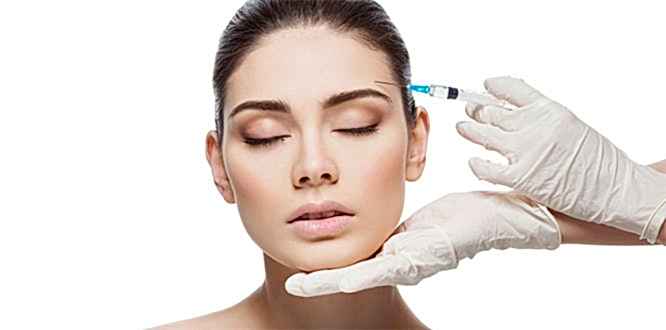
Botox for migraine is a medical treatment involving the injection of botulinum toxin into specific areas to help alleviate chronic migraine symptoms. It targets muscles and nerves associated with migraine pain, providing relief to patients who experience frequent and severe headaches. By blocking nerve signals that trigger pain, Botox can effectively reduce the frequency and intensity of migraines.
In the field of dermatology, Botox is often associated with cosmetic procedures, but it also holds therapeutic value for migraine sufferers. This treatment may be suitable for patients who experience chronic migraines, defined as 15 or more headache days per month. The decision to use Botox for migraine is highly personalized, as it requires evaluating individual patient needs and medical history. This tailored approach ensures that the treatment aligns with the patient’s specific condition and potential benefits.
How Is Botox for Migraine Performed?
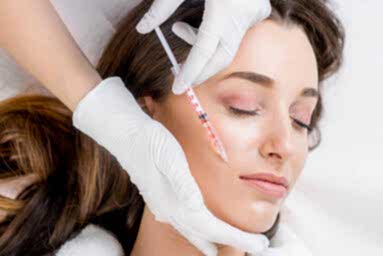
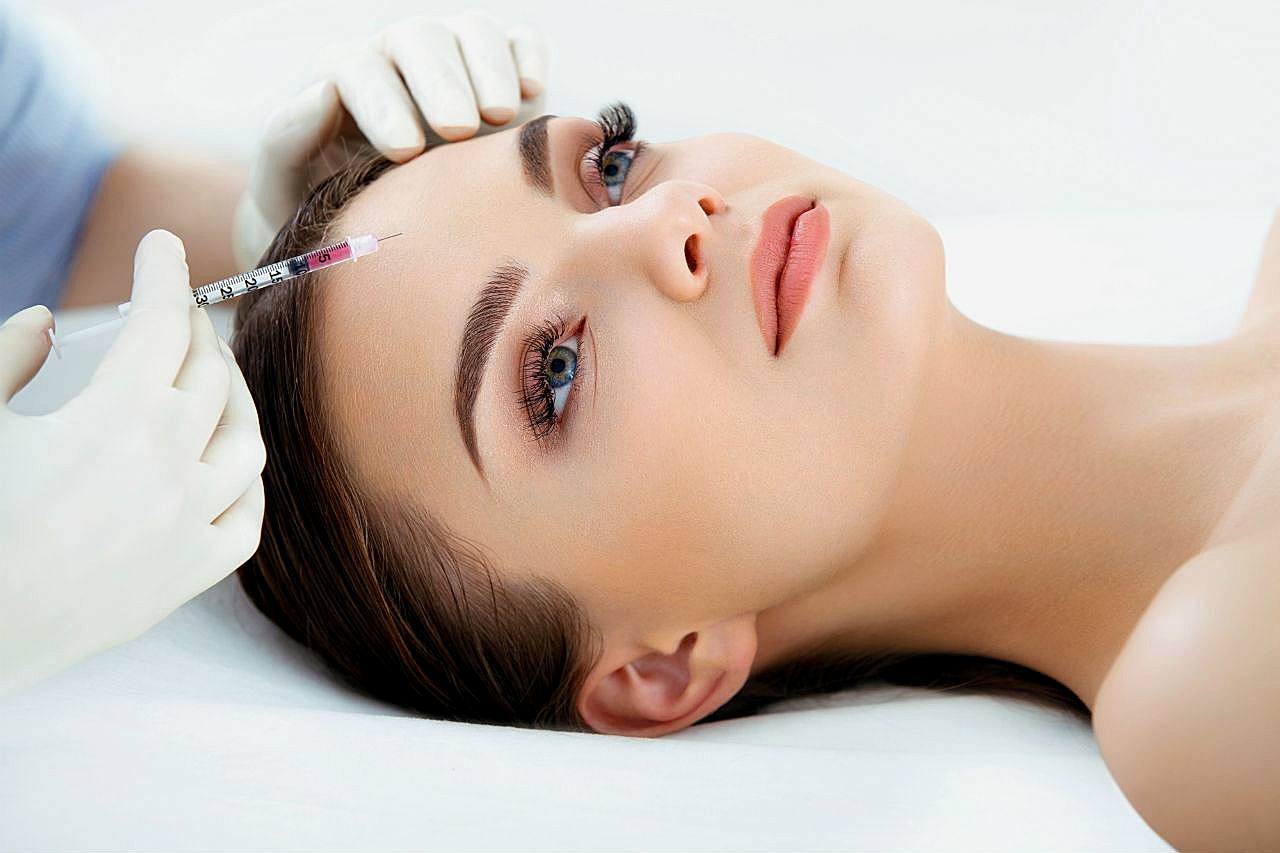
The general process of administering Botox for migraines involves several steps and is typically performed in a clinical setting. The procedure begins with a detailed consultation where the patient’s medical history and migraine patterns are assessed. During the session, Botox is injected into specific areas of the head and neck, targeting the muscles and nerves associated with migraine pain.
During the examination, I evaluate the patient’s migraine history, frequency, and severity to determine the suitability of Botox treatment. Factors such as previous treatments and overall health are considered to ensure the best possible outcome. The decision-making process is thorough and aims to tailor the treatment to meet the individual needs of each patient.
The application of Botox for migraine involves a precise and controlled injection technique. In our clinic, we emphasize a personalized approach, ensuring each treatment plan is designed to minimize discomfort while maximizing therapeutic benefits. The procedure typically takes about 15 to 30 minutes, and patients can resume normal activities shortly afterward, guided by post-treatment care instructions.
Mechanism of Action: How Botox Alleviates Migraine Symptoms
Botox, or botulinum toxin type A, is a neuromodulator that works by blocking nerve signals that cause muscle contractions. For migraine treatment, it is believed to inhibit the release of neurotransmitters responsible for pain transmission, thereby reducing the frequency and severity of migraine attacks.
Targeted Nerve Pathways
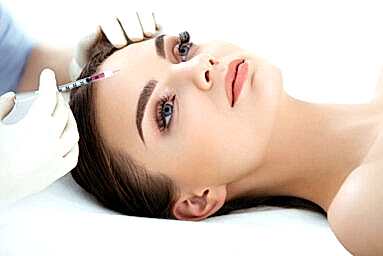
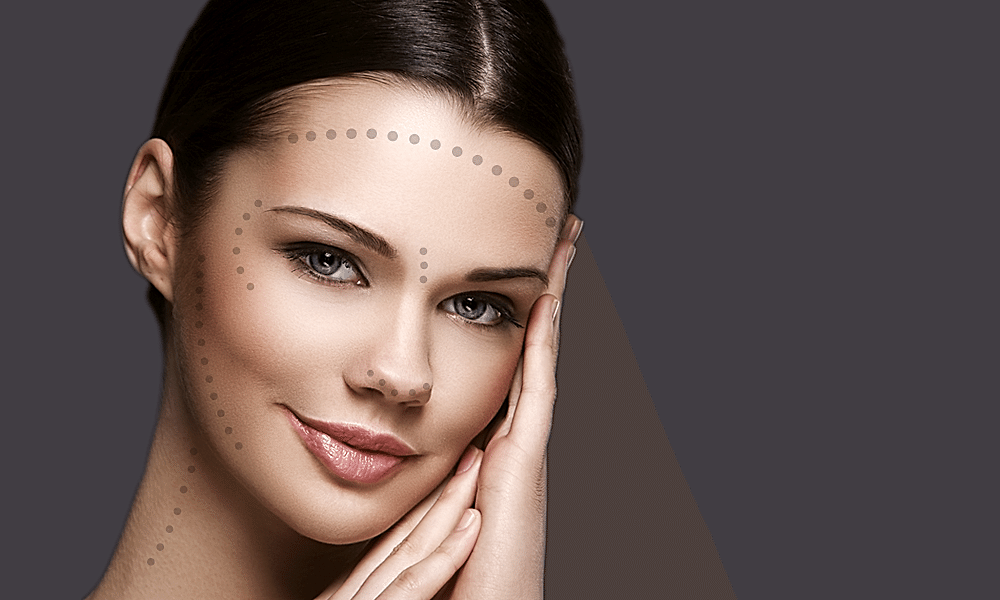
Botox is injected into specific areas around the head and neck to target nerve pathways associated with migraine pain. This localized approach helps in alleviating chronic migraine symptoms effectively.
Duration of Effectiveness
The effects of Botox for migraine can last for approximately 10 to 12 weeks, necessitating regular treatment sessions to maintain optimal relief.

Personalized Treatment
Every individual’s skin and skin structure are unique. Therefore, Botox for Migraine should be personalized for each person.

Sterile Clinical Environment
Botox for Migraine must be performed under the supervision of a specialist physician and in a sterile clinical environment.

Treatment Tailored to Your Needs
In our clinic, the number of sessions is customized specifically for you, both for Botox for Migraine and our other treatments.
Indications: Who Can Benefit from Botox for Migraine?
Botox is primarily indicated for adults who experience chronic migraines, defined as having headaches on 15 or more days per month, with each headache lasting four hours or longer.
- Frequent migraine sufferers who have not found relief with other treatments
- Individuals with contraindications to migraine medications
- Patients seeking a non-oral treatment option
Potential Side Effects and Risks
While Botox is generally considered safe when administered by a qualified healthcare professional, it may carry some risks and side effects.
- Pain, swelling, or bruising at the injection site
- Neck pain and stiffness
- Temporary muscle weakness
Patients should discuss any concerns with their healthcare provider to fully understand the risks involved.
Comparing Botox to Other Migraine Treatments
Botox offers a unique approach compared to traditional migraine treatments, such as oral medications or lifestyle modifications.
- Administration: While oral medications require daily adherence, Botox only needs to be administered every 12 weeks.
- Mechanism: Botox specifically targets nerve pathways, whereas many oral medications alter neurotransmitter levels more broadly.
- Side Effects: Botox has a distinct side effect profile and may be better tolerated by some patients.
Preparation Before the Procedure
Proper preparation is crucial to ensure the safety and effectiveness of Botox treatment for migraines.
Consultation and Assessment
Patients should undergo a thorough consultation to assess their migraine history and determine their suitability for Botox treatment.
Pre-Procedure Guidelines
It is typically recommended to avoid certain medications, such as blood thinners, to reduce the risk of bruising at the injection sites. Patients should follow specific instructions provided by their healthcare provider.
Post-Treatment Care and Recommendations
After receiving Botox injections for migraines, patients may need to follow specific post-treatment care guidelines to ensure the best outcomes.
- Avoid lying down for at least four hours post-injection
- Refrain from strenuous exercise for 24 hours
- Monitor for any adverse reactions and report them to a healthcare professional
Following these recommendations can help minimize side effects and enhance the treatment’s effectiveness.
| Feature | Description |
|---|---|
| Procedure Duration | Approximately 10-15 minutes |
| Duration of Effect | 3-4 months |
| Recommended Number of Sessions | Every 12 weeks |
| Side Effects | Mild pain, swelling, or bruising at injection site |
| Recovery Period | No downtime required |
| Treatment Areas | Forehead, temples, back of the head, neck |
Expert Evaluation and Personalized Approach
In the realm of medical aesthetics, a thorough clinical evaluation is indispensable to tailor interventions that align with each patient’s unique anatomical and dermatological attributes. Expert evaluation involves a meticulous assessment of facial structure, muscle dynamics, and skin characteristics to ensure a holistic approach. This evaluation considers the interaction between facial muscles and skin layers, taking into account the underlying tissue characteristics to inform the most suitable intervention strategy.
Our approach prioritizes understanding the individual nuances of skin type and any pre-existing dermatological conditions. By considering previous procedures and their outcomes, we establish a comprehensive view of each patient’s history. This ensures that all factors are weighed to maintain long-term balance and optimal results, respecting the natural harmony of the facial features and promoting sustainable maintenance practices.
Key Factors in Clinical Decision-Making
- Anatomical structure and tissue characteristics
- Skin type and existing dermatological conditions
- Previously applied procedures and responses
- Long-term balance and maintenance requirements
Botox for Migraine Prices
Determining the cost of Botox treatment for migraines requires a personalized clinical evaluation. Each individual’s unique medical needs and response to treatment can influence the overall plan, making it essential to undergo a thorough examination. As a result, prices may vary from person to person. To get detailed information tailored to your specific circumstances, we encourage you to contact our clinic directly. Our team is available to discuss your situation and provide the most accurate pricing information following a comprehensive assessment.
Conclusion
Botox for Migraine offers a therapeutic approach to managing chronic migraine symptoms by targeting the neuromuscular junctions involved in headache pathophysiology. The process of individualized evaluation by a qualified physician, such as Uzm. Dr. Ecem Cantürk Nazlı in Izmir, plays a crucial role in determining the suitability and expected outcomes of the treatment. The physician’s clinical judgment, based on a thorough examination, ensures a balanced approach tailored to the patient’s specific needs.
Botox for Migraine Frequently Asked Questions
Question: Is the Botox for Migraine procedure painful?
Answer: The Botox for Migraine procedure involves multiple small injections, which may cause mild discomfort. However, any pain is generally minimal and well-tolerated by most patients.
Question: When can I expect to notice the effects of Botox for Migraine?
Answer: Patients typically begin to experience a reduction in migraine frequency and severity within two to four weeks after the procedure. The full therapeutic effect is usually observed after the second or third session.
Question: How many sessions of Botox for Migraine are generally required?
Answer: The standard protocol involves receiving Botox for Migraine injections every 12 weeks. The number of sessions needed may vary based on individual response and physician recommendations.
Question: Are there any potential side effects associated with Botox for Migraine?
Answer: Botox for Migraine is generally well-tolerated, but some patients may experience mild side effects such as neck pain, stiffness, or temporary drooping of the eyelids. These effects are usually transient and resolve on their own.