
KTP Laser
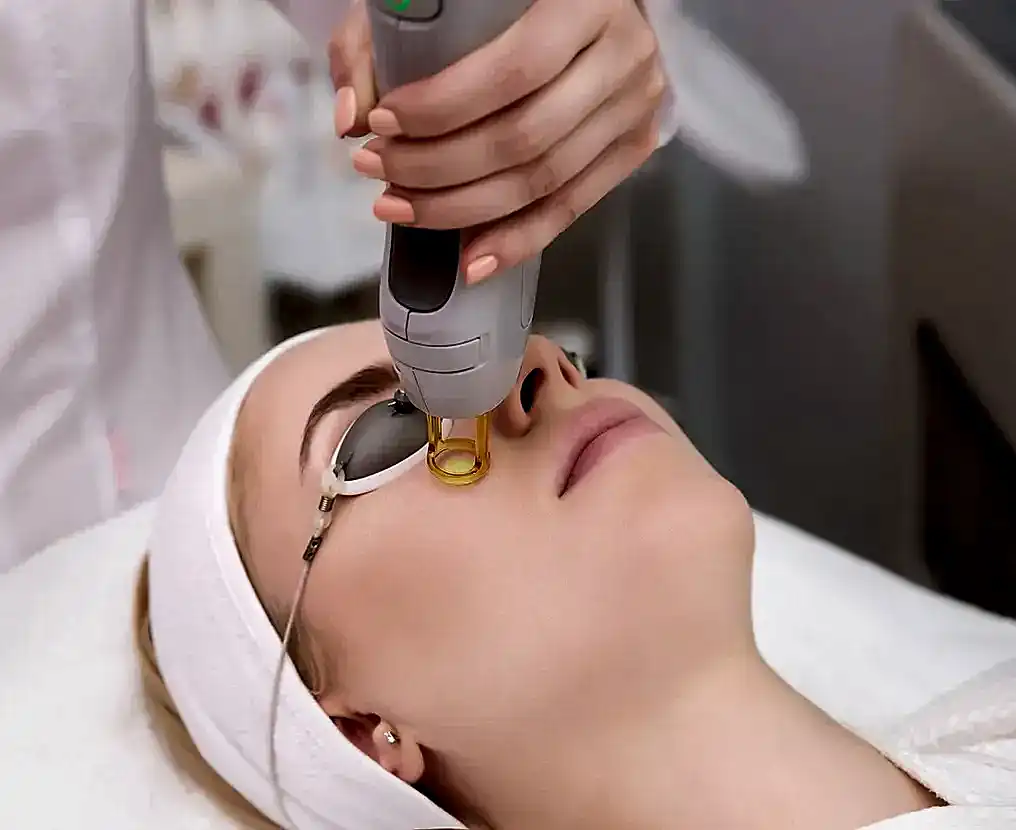
Potassium Titanyl Phosphate Laser (KTP Laser) is a frequently preferred method in skin treatments and medical aesthetic applications. This procedure, which is among the areas of expertise of Specialist Dr. Ecem Cantürk Nazlı in Izmir, is used to improve skin quality and achieve a natural appearance. While KTP Laser stands out with its targeted effect and controlled application process, it offers both aesthetic and functional benefits thanks to its minimally invasive structure.
This laser treatment helps achieve natural and balanced results. The regeneration and healing provided by KTP Laser can contribute both physically and psychologically. After the procedure, increased comfort and self-confidence may be observed in patients. In this way, it is possible to offer a problem-oriented approach to skin concerns.
What Is Potassium Titanyl Phosphate Laser (KTP Laser)?
Potassium Titanyl Phosphate Laser (KTP Laser) is a targeted laser technology used in the treatment of vascular lesions in the skin. This laser system is particularly effective in treating superficial vascular dilatations, rosacea, and red lesions. By targeting blood vessels in the skin, KTP Laser reduces or eliminates them, resulting in a smoother skin appearance.
For dermatologists, KTP Laser offers an effective treatment option for patients with various skin concerns. It is especially preferred in conditions such as skin redness, capillary dilation, or rosacea. Since each patient’s skin type and condition are different, the treatment plan is determined on an individual basis, making clinical evaluation highly important.
How Is Potassium Titanyl Phosphate Laser Applied?
KTP Laser application is performed by following specific steps when you visit a clinic. First, the patient’s skin condition is evaluated and the areas to be treated are determined. The procedure is generally performed on an outpatient basis and does not require anesthesia.
During the examination, the dermatologist evaluates your skin type and the characteristics of the lesion. When deciding which areas will be treated, your skin structure and the depth of the lesions are taken into consideration. This evaluation is critical for creating a personalized treatment plan.
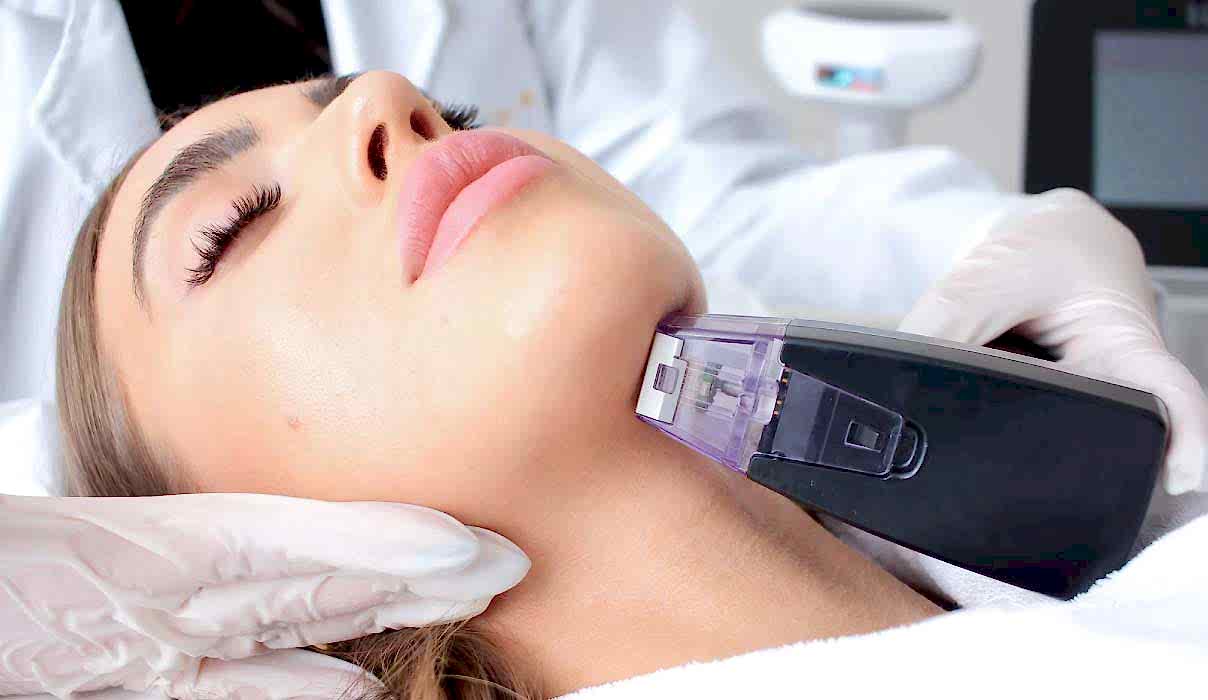
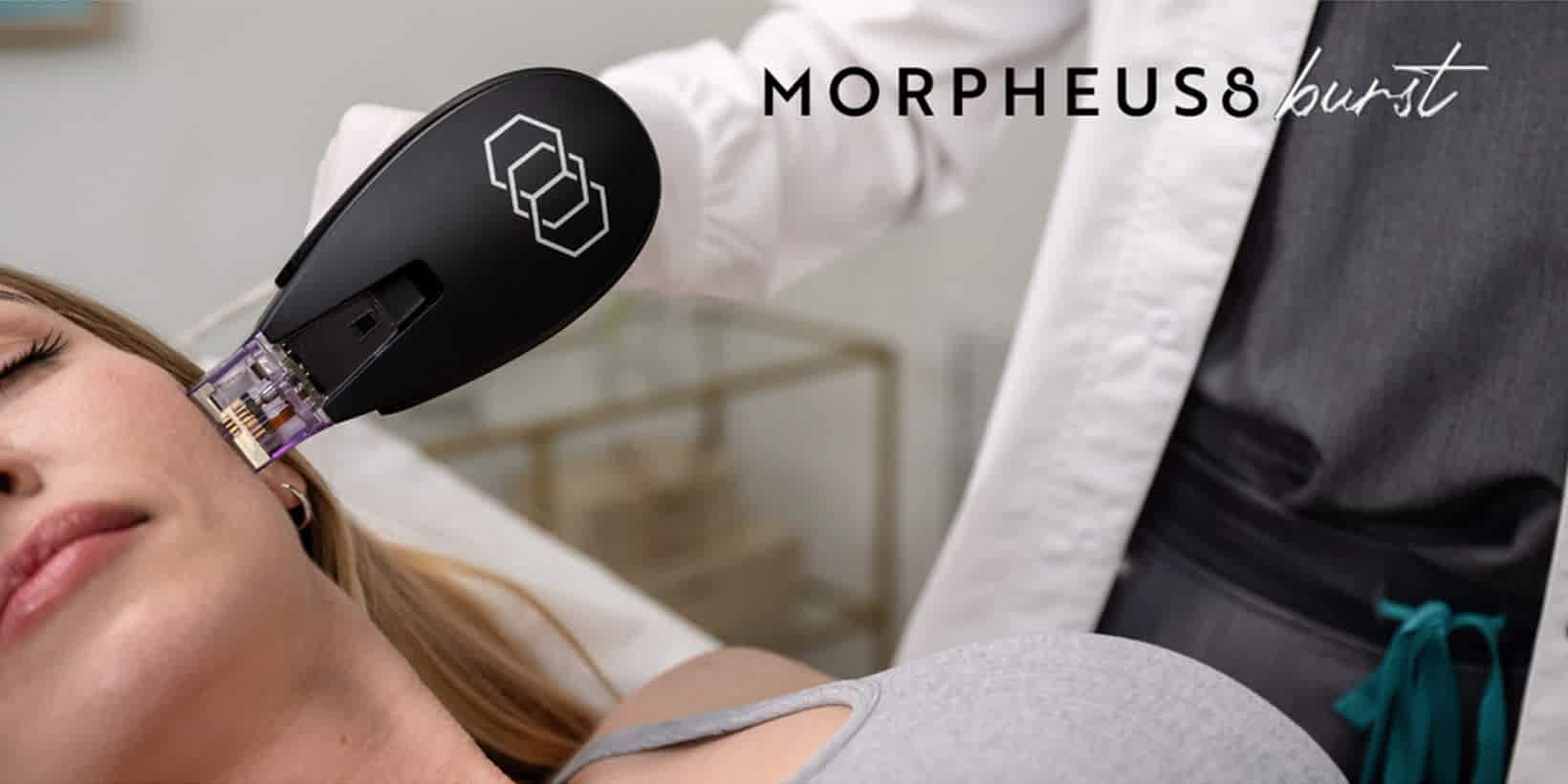
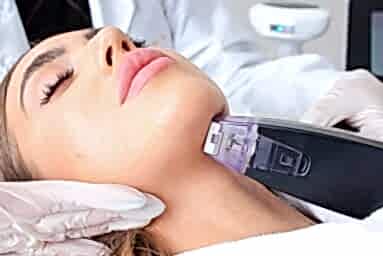
During the application, the laser device is applied to the skin and creates a controlled effect on the targeted vessels. At our clinic, the use of KTP Laser is carefully controlled, and dosages appropriate for each patient’s skin structure are determined. This approach increases both the safety and effectiveness of the treatment.
Working Principle of KTP Laser
Potassium Titanyl Phosphate Laser (KTP Laser) produces light at a specific wavelength, and this light energy exerts its effect by being absorbed by the targeted tissues. KTP lasers generally operate in the green light spectrum and are well absorbed by chromophores such as hemoglobin and melanin, making them effective on vascular and pigmented lesions.

Personalized Treatment
Every individual’s skin and skin structure are unique. Therefore, KTP Laser should be personalized for each person.

Sterile Clinical Environment
KTP Laser must be performed under the supervision of a specialist physician and in a sterile clinical environment.

Treatment Tailored to Your Needs
In our clinic, the number of sessions is customized specifically for you, both for KTP Laser and our other treatments.
Clinical Applications of KTP Laser
KTP laser is used in many dermatological and aesthetic procedures. Some common areas of use are listed below:
- Treatment of vascular lesions (e.g., superficial varicose veins and capillaries)
- Management of rosacea and other skin redness conditions
- Removal of pigmented lesions (e.g., sun spots and freckles)
- Facial rejuvenation and wrinkle reduction
Advantages and Disadvantages of KTP Laser
Advantages
- Provides targeted treatment with minimal damage to surrounding tissues.
- Can be applied to various skin types.
- Offers a fast recovery process, allowing a quick return to daily life in most cases.
Disadvantages
- May cause temporary redness or sensitivity of the skin.
- Multiple sessions may be required, which can prolong the treatment process.
- Mild pigment changes may be observed in some cases.
Potential Side Effects and Risks
Side effects of KTP laser treatment are generally mild and temporary. However, in some cases, the following side effects may be observed:
- Redness and swelling of the skin
- Mild crusting or peeling
- In rare cases, hyperpigmentation or hypopigmentation of the skin
Post-Treatment Care Recommendations
Skin care after KTP laser treatment is important. Some points to consider after the procedure include:
- Protection from the sun; exposure to sunlight should be avoided.
- Use of moisturizers and soothing skincare products.
- Avoid irritating products and contact with excessively hot water on the treated area.
Comparison of KTP Laser with Other Laser Technologies
When compared with other laser technologies that offer different wavelengths and targeting mechanisms, KTP laser may present certain advantages and limitations. Some comparisons are as follows:
- Nd:YAG Laser: Can penetrate deeper tissues but is not as effective as KTP laser for superficial vascular lesions.
- CO2 Laser: An ablative laser that is more invasive and requires a longer recovery period.
- Er:YAG Laser: Used on more delicate tissues, but KTP laser has a more pronounced effect on vascular lesions.
| Feature | Description |
|---|---|
| Procedure Duration | 15–30 minutes |
| Effect Duration | Visible immediately; regular sessions are recommended for long-term results |
| Recommended Number of Sessions | 4–6 sessions, may vary depending on need |
| Side Effects | Temporary redness, mild swelling |
| Recovery Period | Usually 1–2 days |
| Treatment Areas | Face, neck, décolleté |
Clinical Evaluation and Specialist Approach
Potassium Titanyl Phosphate Laser (KTP Laser) applications require a detailed evaluation of anatomical structures in dermatological treatments. Since each individual’s skin structure, thickness, and pigmentation vary, a thorough analysis before the procedure is essential. When planning the treatment process, a specialist dermatologist takes into account the health of subcutaneous tissues, vascular status, and potential risk factors. These evaluations ensure that the treatment process is carried out safely and effectively.
In KTP Laser treatment, the specialist approach may vary depending on skin type and existing dermatological conditions. Specialist Dr. Ecem Cantürk Nazlı creates a personalized treatment plan for each patient at her clinic in Izmir. In this process, previously performed procedures and the skin’s responses to them are taken into consideration. Long-term balance and maintenance requirements are also considered, and recommendations are provided to protect the skin during the post-treatment period.
Clinical Decision-Making Process and Evaluation Criteria
- Detailed analysis of anatomical structure and tissue characteristics
- Assessment of skin type and existing dermatological condition
- Review of previously applied procedures and responses to these treatments
- Planning of long-term balance and maintenance requirements
Potassium Titanyl Phosphate Laser (KTP Laser) Price
Prices for Potassium Titanyl Phosphate Laser (KTP Laser) applications may vary depending on individual differences and treatment requirements. Since each person’s skin structure, treatment process, and needs are different, it is not possible to set a standard price. Therefore, to obtain the most accurate pricing information, it is recommended to contact our clinic and undergo a detailed evaluation with our specialists. We look forward to welcoming you to our clinic to create the most suitable treatment plan for your needs.
Conclusion
Potassium Titanyl Phosphate Laser (KTP Laser) is an effective method used in the treatment of aesthetic concerns such as vascular lesions and pigmentation problems of the skin. Personalized evaluation plays an important role in the success of this procedure, and a customized treatment plan is created according to each patient’s needs. At our clinic in Izmir, the clinical approach of Specialist Dr. Ecem Cantürk Nazlı shapes the process based on balance and evaluation. Examination and physician assessment determine every stage of the treatment process and are optimized to meet patient expectations.
Frequently Asked Questions About Potassium Titanyl Phosphate Laser (KTP Laser)
Question: Is the KTP Laser procedure painful?
Answer: The KTP Laser procedure may generally cause mild discomfort; however, most patients find this discomfort tolerable. Comfort is usually increased by using topical anesthetic creams during the procedure.
Question: When are the effects of KTP Laser noticeable?
Answer: The effects of KTP Laser treatment usually begin to be observed within a few weeks. However, this may vary depending on skin type and the treated area.
Question: How long does it take to return to daily life after KTP Laser?
Answer: After KTP Laser treatment, patients can generally return to their daily activities immediately. However, it is important to follow post-treatment care instructions.
Question: How many sessions are required for KTP Laser treatment?
Answer: The required number of sessions varies depending on the type and severity of the treated lesion. Generally, several sessions may be needed, and your physician will create a personalized treatment plan.