

Chemical Peeling
Chemical Peeling, in Uzm.Dr. Ecem Cantürk Nazlı’s area of expertise, this procedure addresses the need for improved skin quality and renewal. Known for its minimally invasive approach, it provides a controlled effect that enhances both aesthetics and function. Patients in Izmir can benefit from a procedure that focuses on a problem-oriented approach to achieve refreshed and rejuvenated skin.
The results of Chemical Peeling are perceived as natural and balanced, contributing to both physical rejuvenation and increased self-confidence. This procedure not only aids in the recovery of a youthful appearance but also offers psychological comfort, making individuals feel more at ease with their skin. The emphasis on achieving a naturally appealing look ensures patients enjoy both aesthetic and emotional benefits.
What Is Chemical Peeling?
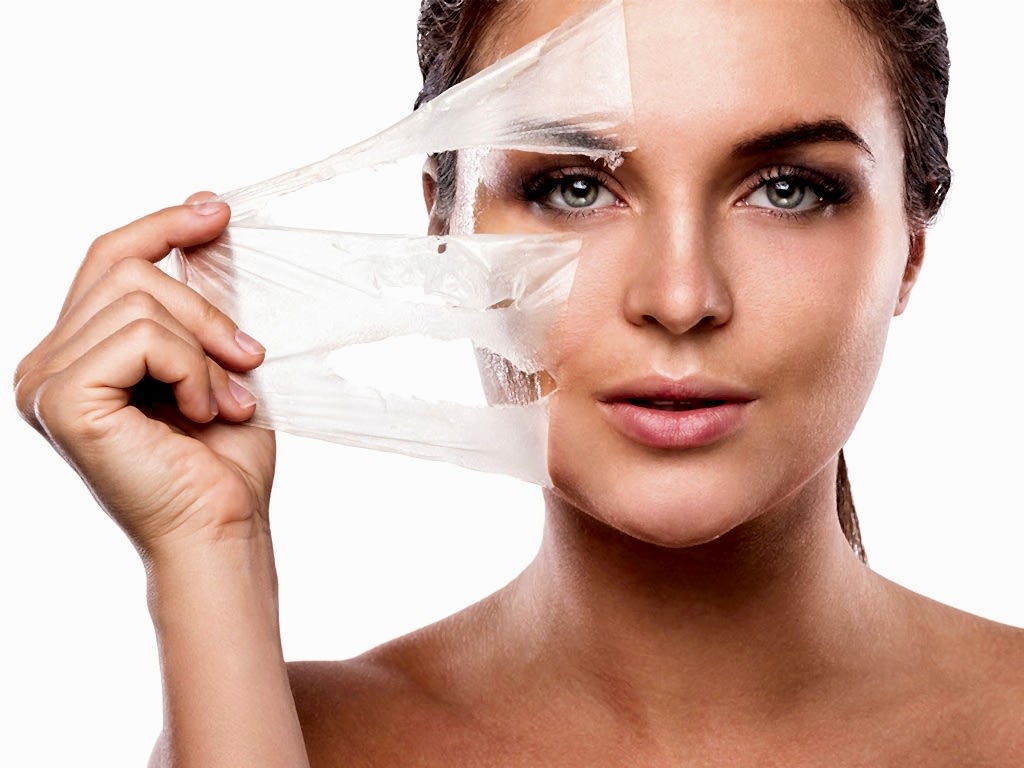
Chemical peeling is a dermatological procedure that uses a chemical solution to exfoliate and remove the damaged outer layers of the skin. It addresses issues such as uneven skin tone, fine lines, and surface blemishes by promoting the regeneration of new, healthier skin. The procedure primarily targets facial skin but can be applied to other areas needing rejuvenation.
In the field of dermatology, chemical peeling is particularly relevant for treating various skin conditions and enhancing aesthetic appearance. It may be suitable for individuals with sun damage, acne scars, or pigmentation irregularities. The decision to undergo this procedure is made on an individual basis, considering factors such as skin type and specific concerns, as personalized evaluation ensures optimal outcomes.
How Is Chemical Peeling Performed?
The chemical peeling procedure in the clinic generally involves cleansing the skin and applying a carefully selected chemical solution to the target area. This solution works by removing the damaged outer skin layers, allowing healthier skin to emerge. The entire process is typically completed within a single session, though multiple sessions may be recommended for desired results.
During the examination, I evaluate the patient’s skin type, condition, and specific concerns to determine the most appropriate chemical solution. The decision-making process is crucial, as it ensures that the treatment is tailored to the individual’s unique needs and skin characteristics, maximizing efficacy while minimizing potential risks.
In our clinic, the application of chemical peeling is conducted with a controlled and individualized approach. The selected chemical solution is applied with precision, and the patient’s skin is monitored closely to ensure safety and effectiveness. This personalized attention to detail is essential for achieving desired outcomes and enhancing patient satisfaction with the procedure.
Benefits of Chemical Peeling for Skin Rejuvenation
Chemical peeling is a dermatological procedure that offers several benefits for skin rejuvenation. By removing the outer layers of damaged skin, this treatment can help reduce the appearance of fine lines, wrinkles, and pigmentation irregularities. It stimulates collagen production, which enhances skin texture and firmness.

Personalized Treatment
Every individual’s skin and skin structure are unique. Therefore, Chemical Peeling should be personalized for each person.

Sterile Clinical Environment
Chemical Peeling must be performed under the supervision of a specialist physician and in a sterile clinical environment.

Treatment Tailored to Your Needs
In our clinic, the number of sessions is customized specifically for you, both for Chemical Peeling and our other treatments.
Types of Chemical Peels and Their Indications
Understanding the different types of chemical peels is crucial for selecting the appropriate treatment for individual skin concerns.
Superficial Peels
These peels use mild acids like alpha-hydroxy acid (AHA) to gently exfoliate the outer layer of skin. They are ideal for treating mild skin discoloration and rough texture.
Medium Peels
Using trichloroacetic acid (TCA), medium peels penetrate the outer and middle layers of skin, effectively addressing issues such as age spots, fine lines, and moderate skin discoloration.
Deep Peels
Deep peels utilize more potent acids, like phenol, to penetrate deeper skin layers. They are effective for more severe skin concerns, including deep wrinkles and precancerous growths.
Potential Risks and Side Effects
While chemical peels offer numerous benefits, they also come with potential risks and side effects. Understanding these is essential for informed decision-making.
- Redness and swelling, which may persist for several days after the procedure.
- Changes in skin pigmentation, particularly in individuals with darker skin tones.
- Scarring, which is rare but can occur if post-procedure care is not followed.
Post-Procedure Care and Recovery
Post-procedure care is crucial for achieving optimal results and minimizing potential complications. Patients should follow their dermatologist’s instructions carefully.
Sun Protection
After a chemical peel, the skin becomes more sensitive to UV rays. It’s important to apply broad-spectrum sunscreen daily to protect the healing skin.
Moisturization
Keeping the skin well-moisturized aids in the recovery process and alleviates dryness and flakiness.
Avoiding Irritants
Patients should avoid using harsh skincare products, such as retinoids or exfoliants, until the skin has fully healed.
Comparison of Chemical Peeling with Other Skin Treatments
When considering skin rejuvenation options, it’s beneficial to compare chemical peeling with other treatments.
- Microdermabrasion: A physical exfoliation method that is less invasive but may not penetrate as deeply as chemical peels.
- Laser Resurfacing: Uses laser technology to address deeper skin issues, often with more downtime compared to chemical peels.
- Dermal Fillers: While fillers add volume to the skin, chemical peels focus on surface-level rejuvenation.
Who Should Avoid Chemical Peeling?
Chemical peels are not suitable for everyone. Certain conditions and factors may contraindicate this procedure.
- Individuals with active skin infections or open wounds.
- Pregnant or breastfeeding women, due to potential risks.
- People with a history of abnormal scarring or keloids.
Frequently Asked Questions About Chemical Peeling
Here are common questions patients may have before undergoing a chemical peel treatment.
- How long do the results last? The longevity of results varies based on the type of peel and skincare regimen post-treatment.
- Is the procedure painful? Patients may experience mild discomfort, but pain levels depend on the depth of the peel.
- How many sessions are needed? This depends on individual skin concerns and desired outcomes; a dermatologist can provide personalized recommendations.
| Feature | Description |
|---|---|
| Procedure Duration | 30 to 90 minutes |
| Duration of Effect | Several months |
| Recommended Sessions | 1 to 3 sessions |
| Side Effects | Redness, peeling, sensitivity |
| Recovery Period | 1 to 2 weeks |
| Treatment Areas | Face, neck, hands |
Clinical Insights and Expert Evaluation
In the realm of dermatology and medical aesthetics, a nuanced clinical evaluation is paramount to ensure optimal patient outcomes. This process involves a comprehensive assessment of the patient’s unique anatomical and dermatological characteristics. Factors such as skin type, thickness, and elasticity are meticulously considered, enabling a tailored approach to treatment. In addition, any existing dermatological conditions or structural variables are carefully evaluated to align with the patient’s individual needs and expectations.
Expertise in dermatology requires a deep understanding of how various skin types and previous procedures can influence current treatment decisions. By integrating a thorough analysis of the patient’s medical history and skin responses, dermatologists like {{doktor_adi}} in {{şehir}} can devise a plan that prioritizes long-term balance and maintenance. This expert perspective not only enhances treatment efficacy but also builds a foundation of trust and confidence in the clinical approach.
Key Considerations in Clinical Decision-Making
- Anatomical structure and tissue characteristics
- Skin type and existing dermatological conditions
- Previously applied procedures and responses
- Long-term balance and maintenance requirements
Chemical Peeling Prices
The cost of a chemical peel can vary significantly from person to person due to individual variables such as skin type, specific skin concerns, and desired outcomes. Since each treatment plan is tailored to meet your unique needs, a standard price cannot be provided without an initial consultation. During this consultation, a clinical evaluation will determine the most suitable approach for your skin, and the associated fee will be discussed. We encourage you to contact our clinic to schedule your consultation and obtain personalized pricing information.
Conclusion
Chemical peeling addresses the need for skin rejuvenation by promoting exfoliation and regeneration, offering a solution for various dermatological concerns such as uneven skin tone and texture. The importance of individualized evaluation cannot be understated, as each patient’s skin type and condition require unique consideration for optimal outcomes. Through careful examination and the expert opinion of Uzm.Dr. Ecem Cantürk Nazlı, the process is tailored to meet specific needs, ensuring a clinical approach that balances efficacy and safety. By focusing on thorough assessment, the procedure aligns with a personalized treatment strategy, enhancing the potential for satisfactory results.
Chemical Peeling Frequently Asked Questions
Question: Is the chemical peeling procedure painful?
Answer: The sensation experienced during a chemical peel can vary, but most patients report a mild burning or tingling feeling. Any discomfort is typically temporary and subsides shortly after the procedure.
Question: When will I notice the effects of a chemical peel?
Answer: The effects of a chemical peel might become noticeable within a few days as the skin begins to exfoliate and reveal a fresher appearance. Full results can develop over several weeks as the skin continues to regenerate.
Question: Can I return to my daily activities immediately after a chemical peel?
Answer: While many patients can resume daily activities shortly after a chemical peel, it’s important to follow post-procedure care instructions to protect the new skin. Some peels may require a short recovery period to manage redness or peeling.
Question: Are multiple sessions of chemical peeling necessary?
Answer: The number of sessions needed depends on the individual’s skin condition and desired outcomes. Some patients may achieve their goals with a single session, while others might require a series of treatments for optimal results.