
Teeth Grinding (Bruxism) Treatment
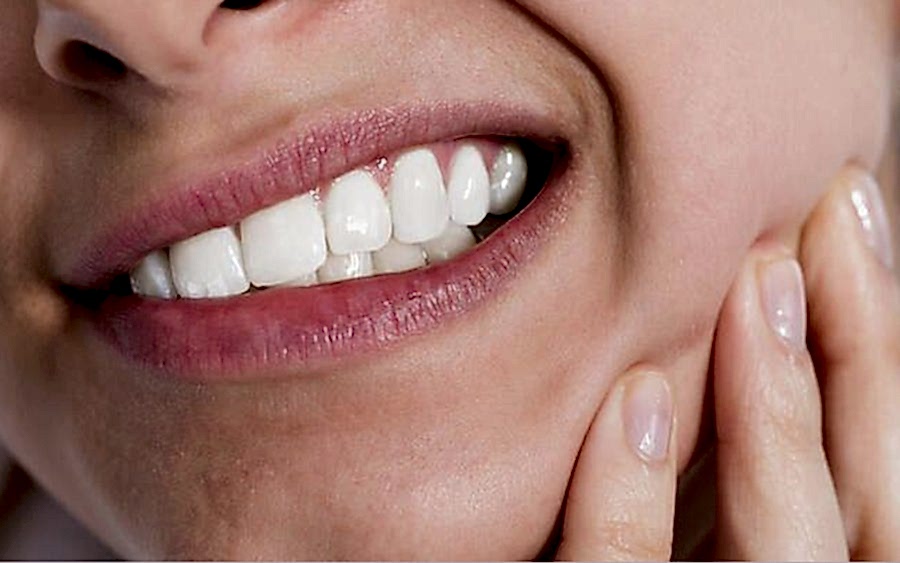
Teeth Grinding (Bruxism) Treatment addresses the discomfort and dental wear caused by involuntary grinding or clenching of teeth. Uzm.Dr. Ecem Cantürk Nazlı’s area of expertise, this procedure, offers both aesthetic and functional benefits, enhancing jaw alignment while alleviating tension. In Izmir, patients can expect a procedure that not only improves oral health but also contributes to a more relaxed facial appearance.
The treatment aims for natural and balanced results, ensuring patients enjoy a comfortable experience. It offers psychological benefits by reducing stress and improving sleep quality, which can lead to increased self-confidence. The focus on achieving a harmonious and natural look helps patients feel more at ease with their smile and overall facial harmony.
What Is Teeth Grinding (Bruxism) Treatment?
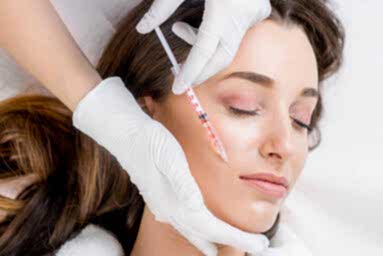
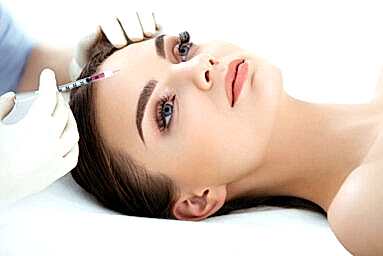
Teeth grinding (bruxism) treatment is a therapeutic approach designed to alleviate the symptoms and prevent the adverse effects of excessive clenching or grinding of teeth. The treatment targets the jaw muscles to reduce tension and protect dental health, thereby preventing complications such as tooth wear and jaw pain.
In the dermatology field, teeth grinding treatment may also intersect with aesthetic concerns, particularly when addressing jaw muscle hypertrophy, which can affect facial appearance. Suitable for patients experiencing significant discomfort or dental issues due to bruxism, the treatment choice depends on individual needs. It is essential to evaluate each patient’s specific condition to develop a tailored treatment plan that addresses their unique symptoms and concerns effectively.
How Is Teeth Grinding (Bruxism) Treatment Performed?
The treatment for teeth grinding typically begins with a comprehensive consultation in the clinic, where the process is outlined, and the patient’s symptoms are discussed. The general framework involves assessing the severity of the condition and identifying any underlying issues contributing to bruxism. This ensures that the treatment plan is both effective and personalized.
During the examination, I evaluate the patient’s jaw muscles and dental health to determine the most appropriate intervention. Factors such as the frequency and intensity of grinding, as well as any associated discomfort or damage, are considered. The decision-making process is thorough to ensure that the chosen treatment aligns with the patient’s specific needs and expectations.
The application of the treatment itself is carefully controlled and individualized, focusing on reducing muscle tension and preventing further dental damage. In my approach, I prioritize patient comfort and safety, ensuring that each step of the treatment is tailored to the individual’s condition. This personalized strategy helps achieve optimal results while minimizing any potential risks or side effects.
Understanding the Causes of Teeth Grinding
Identifying the underlying causes of bruxism is crucial for effective treatment. Teeth grinding can result from various factors, including stress, anxiety, abnormal bite, and sleep disorders. Understanding these causes can help tailor a treatment plan that specifically addresses the patient’s needs.
Stress and Anxiety
Stress and anxiety are significant contributors to teeth grinding. Managing these emotional factors through therapy or relaxation techniques can be beneficial in reducing bruxism episodes.
Sleep Disorders
Conditions such as sleep apnea and snoring can exacerbate teeth grinding. Addressing these disorders with appropriate medical interventions might alleviate bruxism symptoms.

Personalized Treatment
Every individual’s skin and skin structure are unique. Therefore, Teeth Grinding (Bruxism) Treatment should be personalized for each person.

Sterile Clinical Environment
Teeth Grinding (Bruxism) Treatment must be performed under the supervision of a specialist physician and in a sterile clinical environment.

Treatment Tailored to Your Needs
In our clinic, the number of sessions is customized specifically for you, both for Teeth Grinding (Bruxism) Treatment and our other treatments.
Available Treatment Options for Bruxism
A variety of treatment options are available for managing teeth grinding. Each approach is designed to address specific aspects of the condition and may involve a combination of therapies for optimal results.
- Mouth Guards and Splints
- Behavioral Therapies
- Medications
Mouth Guards and Splints
Custom-fitted mouth guards and splints are often used to protect teeth from the damage caused by grinding. These devices help distribute the pressure evenly across the jaw and act as a barrier between the upper and lower teeth.
Behavioral and Relaxation Techniques
Behavioral techniques can be effective in reducing the frequency and severity of teeth grinding episodes. These strategies aim to change the habits and behaviors associated with bruxism.
- Stress Management Techniques
- Awareness and Habit Reversal
- Biofeedback
Medications and Their Role in Bruxism Treatment
Pharmacological interventions may be considered when other treatments are insufficient. Medications can help manage symptoms and address underlying conditions contributing to bruxism.
Muscle Relaxants
Muscle relaxants may be prescribed to help ease muscle tension and reduce jaw clenching during sleep.
Long-term Monitoring and Follow-Up
Regular follow-up appointments are essential to monitor the progression of bruxism and adjust treatment plans as needed. Long-term monitoring helps ensure that the chosen interventions remain effective and that any changes in symptoms are promptly addressed.
- Regular Dental Check-ups
- Adjustment of Treatment Devices
- Ongoing Evaluation of Symptoms
Post-Treatment Home Care and Lifestyle Adjustments
After professional intervention, certain home care practices and lifestyle changes can support the treatment of bruxism. These adjustments can help maintain oral health and prevent the recurrence of symptoms.
Dietary Considerations
Avoiding hard or sticky foods can reduce strain on the jaw and minimize the risk of tooth damage.
Sleep Hygiene
Improving sleep hygiene by maintaining a regular sleep schedule and creating a restful environment can help reduce bruxism episodes linked to sleep disturbances.
| Treatment Method | Procedure Duration | Potential Side Effects |
|---|---|---|
| Mouth Guards | Custom fitting session, approximately 30 minutes | Minor discomfort initially |
| Stress Management Therapy | Varies per session, typically 1 hour | No direct side effects |
| Medication | Daily intake as prescribed | Drowsiness, dry mouth |
| Botox Injections | 15-30 minutes per session | Temporary muscle weakness |
Clinical Evaluation and Expert Planning
The clinical evaluation process for any dermatological or aesthetic treatment involves a comprehensive assessment of various anatomical and structural factors. Our approach begins with a detailed analysis of the individual’s skin type, tissue characteristics, and any existing dermatological conditions. The aim is to understand the unique anatomical framework and how it might influence treatment outcomes. By considering these variables, we tailor our approach to suit the specific needs of each patient, ensuring that every aspect of their anatomy is taken into account during the planning phase.
Expert evaluation also takes into account the patient’s medical history, including any previously applied procedures and their responses. This historical perspective is crucial in predicting how the skin might react to new treatments and in planning long-term maintenance strategies to promote balance and sustain results. By integrating these insights, we can develop a plan that aligns with the individual’s anatomical and dermatological profile, ensuring both efficacy and safety.
Key Factors in Clinical Decision-Making
- Anatomical structure and tissue characteristics
- Skin type and existing dermatological conditions
- Previously applied procedures and responses
- Long-term balance and maintenance requirements
Teeth Grinding (Bruxism) Treatment Price
Understanding that teeth grinding (bruxism) treatment prices can differ significantly from person to person is crucial. The variation is due to personal differences in dental structure, treatment process, and individual needs. Consequently, a standard price is not feasible. The fee is determined after a thorough clinical evaluation, ensuring that the treatment plan is tailored to your specific requirements. For accurate pricing information and to discuss your personalized treatment options, please contact the clinic directly.
Conclusion
Teeth grinding, or bruxism, often requires a tailored approach to address the unique needs of each patient effectively. Under the guidance of Uzm.Dr. Ecem Cantürk Nazlı in Izmir, individualized evaluations play a crucial role in determining the most appropriate treatment plan. A thorough examination and professional opinion are essential to shape the treatment process, ensuring a balanced and well-assessed clinical approach. The expertise of a specialized physician is vital in managing bruxism, fostering an optimal balance between intervention and patient-specific considerations.
Teeth Grinding (Bruxism) Treatment Frequently Asked Questions
Question: Is the teeth grinding treatment procedure painful?
Answer: Most patients report minimal discomfort during the treatment for teeth grinding. The procedure is generally well-tolerated, but individual experiences may vary based on personal sensitivity and the specific methods used.
Question: How soon can I expect to see results from the treatment?
Answer: The timing of noticeable results can vary depending on the treatment method and individual factors. Some patients may experience improvements shortly after the procedure, while others might require several sessions to observe significant changes.
Question: Can I return to my daily activities immediately after the treatment?
Answer: Generally, patients can resume their daily activities soon after the treatment for bruxism. However, it is advisable to follow any specific post-procedure guidelines provided by your physician to ensure optimal recovery and effectiveness.
Question: Are there any side effects associated with bruxism treatment?
Answer: While side effects from bruxism treatment are uncommon, some patients might experience temporary discomfort or mild swelling. It is important to discuss any concerns with your physician, who can provide detailed information based on the chosen treatment method.