
Skin Rejuvenation

Skin Rejuvenation, under the expert care of Uzm. Dr. Ecem Cantürk Nazlı, addresses the desire for improved skin quality and renewal. This procedure focuses on enhancing both aesthetic and functional aspects, offering a problem-oriented approach that caters to individual needs. In Izmir, patients can expect a professional and clinical environment where the tailored treatment enhances natural beauty, delivering results that align with personal goals.
Uzm. Dr. Ecem Cantürk Nazlı’s area of expertise, this procedure, ensures outcomes that are perceived as natural and balanced, contributing to both physical appearance and psychological well-being. Depending on the treatment method, patients may experience rejuvenation and an increase in comfort and self-confidence, ultimately supporting a more refreshed and youthful look.
What Is Skin Rejuvenation?
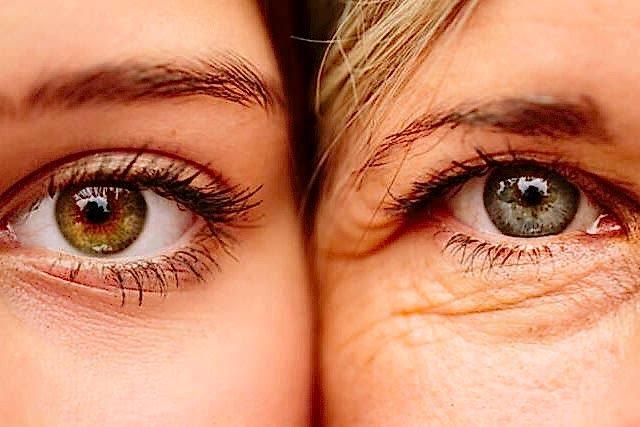
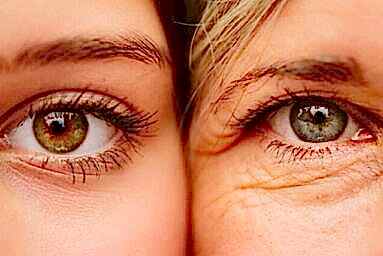
Skin rejuvenation is a dermatological treatment designed to restore youthful appearance by targeting skin irregularities such as wrinkles, fine lines, and hyperpigmentation. It focuses on improving skin texture, tone, and elasticity. This procedure addresses aging-related changes in the skin, enhancing collagen production and promoting a smoother complexion.
Skin rejuvenation falls within the field of dermatology, where it is utilized to address various skin conditions. It may be suitable for individuals experiencing age-related skin changes or those seeking to improve specific skin issues. Since skin types and conditions vary, a personalized evaluation is crucial to determine the most appropriate treatment plan for each patient, ensuring that individual needs are met effectively.
How Is Skin Rejuvenation Applied?
In our clinic, skin rejuvenation generally begins with a detailed assessment of the patient’s skin condition. The process involves identifying specific skin concerns and determining the most suitable treatment approach. Treatments may utilize devices such as the Buz laser or Fractional laser, depending on the clinical needs.
During the examination, I evaluate the patient’s skin type, sensitivity, and overall health to choose the best course of action. This involves considering factors such as the severity of skin issues and the patient’s expectations. The decision-making process is guided by a thorough understanding of dermatological principles and patient-specific considerations.
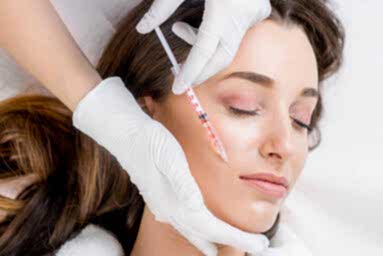
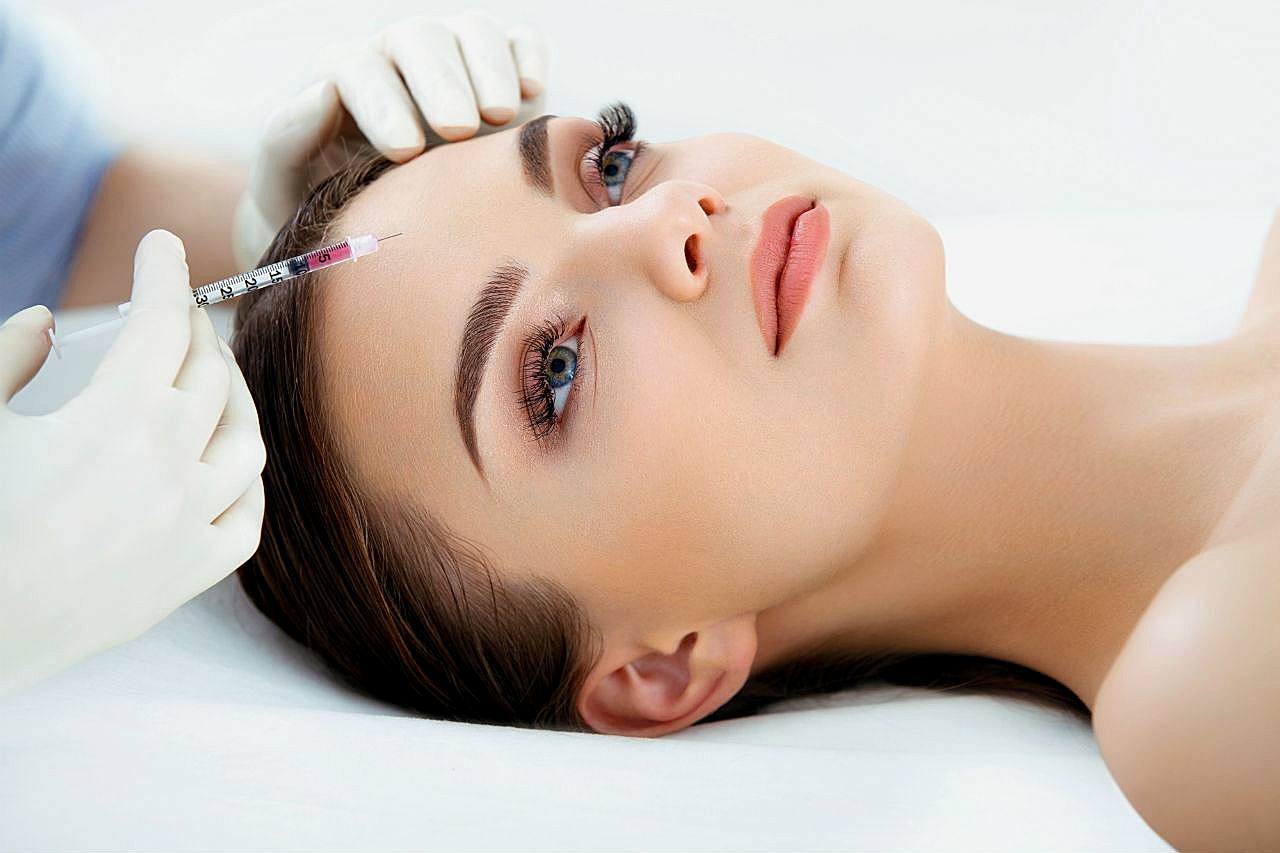
Application of skin rejuvenation treatments involves a controlled and individualized approach, ensuring patient safety and efficacy. Techniques may include laser therapy, which targets specific skin layers to stimulate collagen production and improve skin texture. My approach is to tailor each session according to the patient’s ongoing progress and response to treatment, optimizing outcomes while maintaining a focus on patient comfort and satisfaction.
Benefits of Skin Rejuvenation
Skin rejuvenation offers a wide array of benefits for those looking to improve their skin’s appearance and health. This procedure can significantly reduce the signs of aging, including wrinkles, fine lines, and age spots. Additionally, it can enhance skin texture and tone, leading to a more vibrant and youthful look.

Personalized Treatment
Every individual’s skin and skin structure are unique. Therefore, Skin Rejuvenation should be personalized for each person.

Sterile Clinical Environment
Skin Rejuvenation must be performed under the supervision of a specialist physician and in a sterile clinical environment.

Treatment Tailored to Your Needs
In our clinic, the number of sessions is customized specifically for you, both for Skin Rejuvenation and our other treatments.
Common Techniques Used in Skin Rejuvenation
Several techniques are commonly employed in skin rejuvenation, each catering to different skin concerns and conditions. Understanding these methods can help individuals choose the most suitable treatment for their needs.
Laser Resurfacing
Laser resurfacing uses concentrated beams of light to remove damaged skin layers, promoting collagen production and new skin growth. This technique is particularly effective for treating scars, fine lines, and uneven skin tone.
Chemical Peels
Chemical peels involve applying a chemical solution to the skin, causing it to exfoliate and eventually peel off. This method is effective for improving skin texture and reducing pigmentation issues.
Microneedling
Microneedling involves the use of fine needles to create tiny punctures in the skin. This stimulates the body’s natural healing process, boosting collagen and elastin production for smoother and firmer skin.
Potential Risks and Side Effects
While skin rejuvenation procedures are generally safe, they may present some risks and side effects. Being informed about these potential issues can help individuals make educated decisions about their skincare treatments.
- Temporary redness and swelling
- Skin sensitivity
- Infection or scarring (rare)
Preparing for a Skin Rejuvenation Procedure
Proper preparation can enhance the effectiveness of skin rejuvenation treatments and minimize potential complications. Here are some essential steps patients should consider before undergoing a procedure:
- Consult with a qualified dermatologist or skincare professional to determine the appropriate treatment.
- Avoid direct sun exposure and tanning for several weeks prior to the procedure.
- Discontinue the use of retinoids or other exfoliating agents as advised by your doctor.
Post-Procedure Care and Recovery
Following skin rejuvenation, proper aftercare is crucial to achieving optimal results and ensuring a smooth recovery process. Patients should adhere to the following guidelines:
- Keep the treated area clean and moisturized.
- Avoid sun exposure and use sunscreen with a high SPF.
- Follow all post-procedure instructions provided by your skincare professional.
Comparing Skin Rejuvenation to Other Skincare Treatments
Skin rejuvenation is just one of many treatments available for improving skin health and appearance. Comparing it to other options can help in selecting the most appropriate approach for individual goals and skin conditions.
- Dermal Fillers: Unlike skin rejuvenation, fillers add volume to the skin, addressing deep wrinkles and facial contours.
- Botox: Botox treatments focus on relaxing muscles to reduce dynamic wrinkles, while skin rejuvenation targets skin texture and tone.
- Topical Treatments: Creams and serums can improve skin appearance over time, but they may not offer the same depth of results as professional skin rejuvenation procedures.
| Feature | Description |
|---|---|
| Procedure Duration | 30 to 90 minutes |
| Duration of Effect | Several months to 2 years |
| Recommended Sessions | 3 to 6 sessions |
| Side Effects | Redness, swelling, temporary discomfort |
| Recovery Period | Minimal to a few days |
| Treatment Areas | Face, neck, hands |
Clinical Evaluation and Expert Approach in Dermatological Treatments
In the field of dermatology and medical aesthetics, clinical evaluation is a nuanced process that requires a comprehensive understanding of anatomical and dermatological variables. The expertise of a dermatologist, such as Uzm.Dr. Ecem Cantürk Nazlı, plays a crucial role in assessing skin conditions, as well as understanding the underlying structural characteristics that influence treatment outcomes. This evaluation goes beyond surface-level observations and involves a meticulous analysis of the patient’s skin type, elasticity, and overall tissue characteristics, ensuring that each treatment is tailored to the individual’s unique needs.
Expert perspective in planning dermatological treatments emphasizes the importance of considering both current and historical factors affecting the skin. This includes evaluating any prior procedures the patient has undergone and understanding their skin’s response to such treatments. Additionally, maintaining long-term skin health and balance is a primary consideration, which involves strategizing a treatment plan that not only addresses immediate concerns but also supports ongoing dermatological wellness. The integration of these factors into the decision-making process ensures a holistic approach to patient care.
Key Factors in Clinical Decision-Making
- Anatomical structure and tissue characteristics
- Skin type and existing dermatological conditions
- Previously applied procedures and responses
- Long-term balance and maintenance requirements
Skin Rejuvenation Price
Prices for skin rejuvenation treatments can vary significantly from person to person due to the unique nature of individual skin needs and conditions. A comprehensive clinical evaluation is essential to determine the specific requirements and appropriate treatment plan, which in turn affects the final cost. We encourage you to contact our clinic to arrange a consultation, during which a personalized assessment will be conducted to provide you with precise information regarding pricing tailored to your needs.
Conclusion
Skin rejuvenation procedures cater to individuals seeking to address signs of aging and improve skin texture and tone. The importance of an individualized evaluation cannot be overstated, as each patient’s skin and needs are unique. Under the guidance of Uzm. Dr. Ecem Cantürk Nazlı, the process is shaped by comprehensive examinations and informed physician opinions, ensuring a balanced and well-assessed clinical approach. This personalized attention to detail underscores the procedure’s effectiveness in meeting specific dermatological goals.
Skin Rejuvenation Frequently Asked Questions
Question: Is the skin rejuvenation procedure painful?
Answer: The level of discomfort experienced during skin rejuvenation procedures varies among individuals. Most patients report mild discomfort, which is typically managed with topical anesthetics. It is important to discuss any concerns with your physician prior to the procedure.
Question: When will I notice the effects of skin rejuvenation?
Answer: The timeline for noticing the effects of skin rejuvenation depends on the specific treatment used. Generally, improvements can be seen within a few weeks as the skin heals and regenerates. Your physician will provide a more detailed timeline based on your treatment plan.
Question: How many sessions are required for optimal results?
Answer: The number of sessions required varies based on individual goals and the specific technique employed. Some treatments may require a series of sessions to achieve the desired outcome. Your physician will assess your skin and recommend an appropriate treatment schedule.
Question: Are there any possible side effects of skin rejuvenation?
Answer: As with any medical procedure, there are potential side effects, which may include redness, swelling, or mild irritation. These effects are generally temporary and subside as the skin heals. It is important to discuss any concerns with your physician prior to undergoing treatment.