
Q-Switched Nd:YAG Laser

Q-Switched Nd:YAG Laser, a sophisticated procedure in Uzm.Dr. Ecem Cantürk Nazlı’s area of expertise, addresses the need for targeted skin treatments in Izmir. This advanced technique is renowned for its ability to enhance skin quality through a problem-oriented approach. Patients benefit from aesthetic and functional improvements, as the laser provides a controlled application that supports the renewal process, delivering a technologically supported transformation.
Patients often perceive the results of the Q-Switched Nd:YAG Laser as natural and balanced, contributing positively to their physical appearance and psychological well-being. The procedure facilitates rejuvenation and recovery, offering a minimally invasive method that can enhance comfort and boost self-confidence. As a trusted option in skin treatments, it represents a thoughtful choice for those seeking effective skin renewal.
What Is Q-Switched Nd:YAG Laser?
The Q-Switched Nd:YAG Laser is a specialized laser treatment designed to target pigmented lesions and tattoos by delivering high-intensity pulses of light to the skin. This laser is effective in breaking down melanin, the pigment responsible for skin coloration, and ink particles in tattoos, offering a solution for pigmentation issues and tattoo removal.
In the field of dermatology, the Q-Switched Nd:YAG Laser is a valuable tool for treating conditions related to skin pigmentation. It is suitable for patients who seek treatment for sunspots, age spots, and tattoos. The decision to use this laser is made after careful evaluation of the patient’s skin type and condition, as each individual’s skin responds differently. Therefore, a personalized approach is crucial in determining the appropriateness of this treatment.
How Is Q-Switched Nd:YAG Laser Applied?
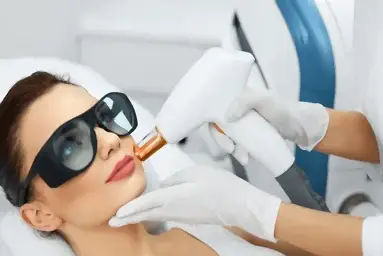
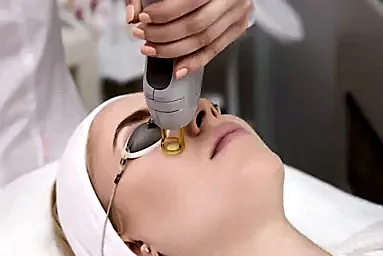
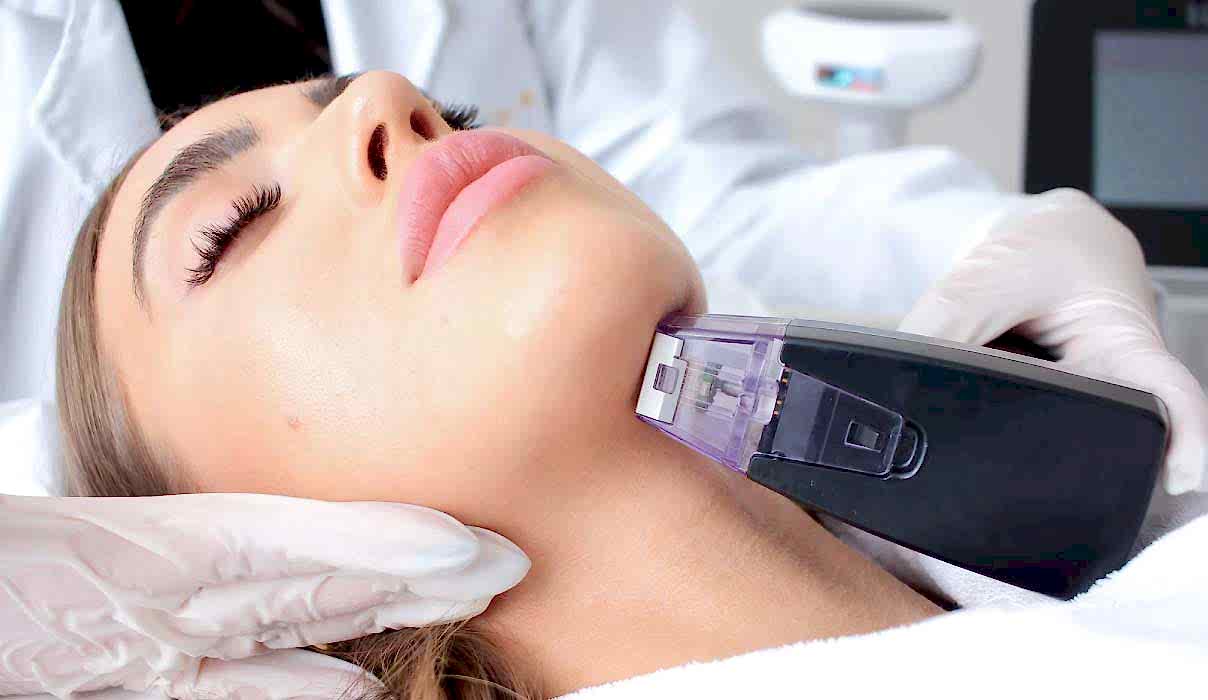
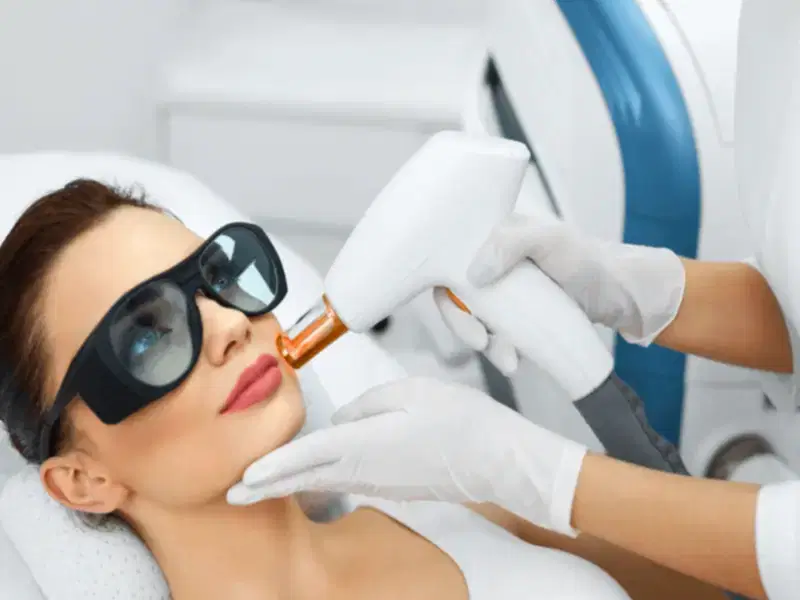
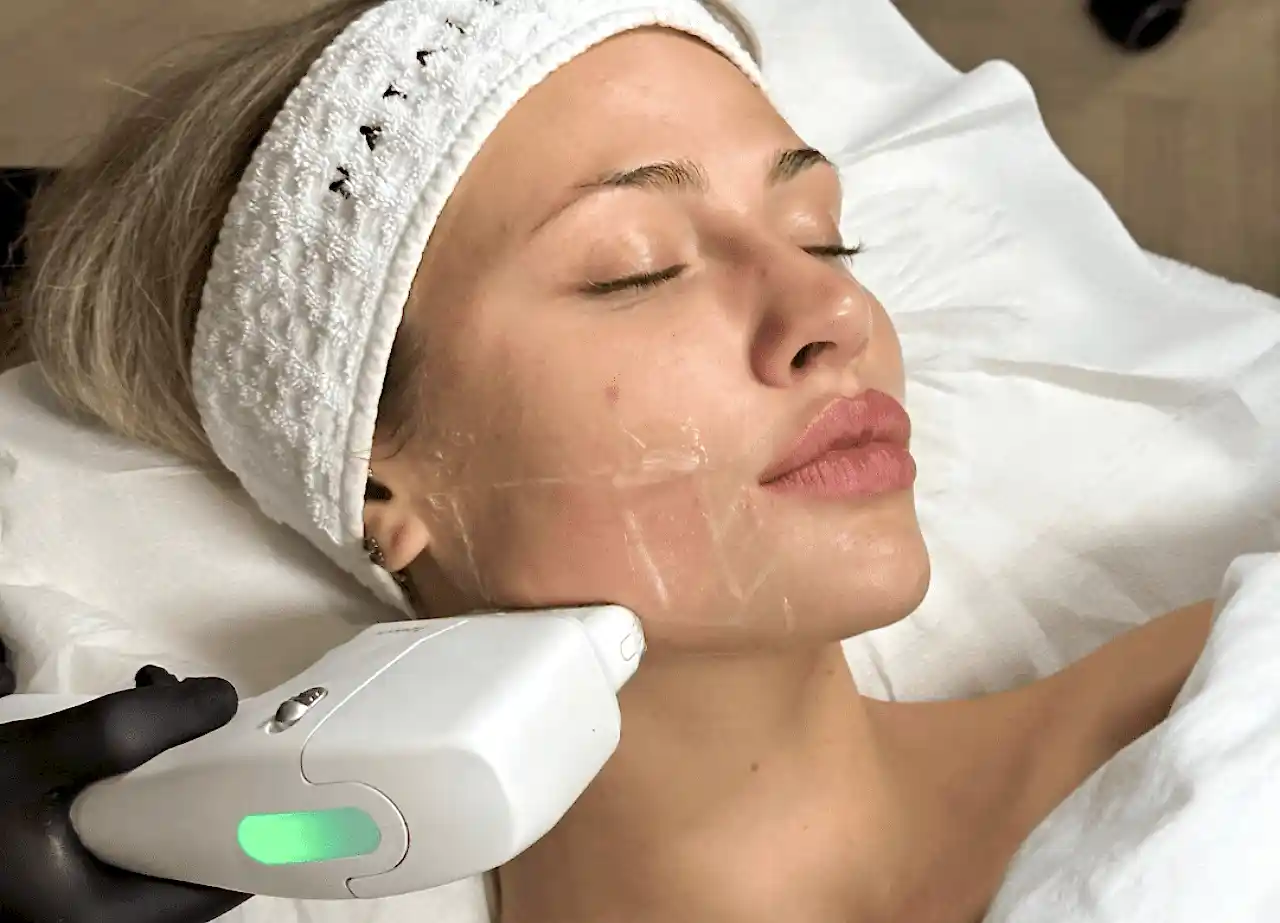
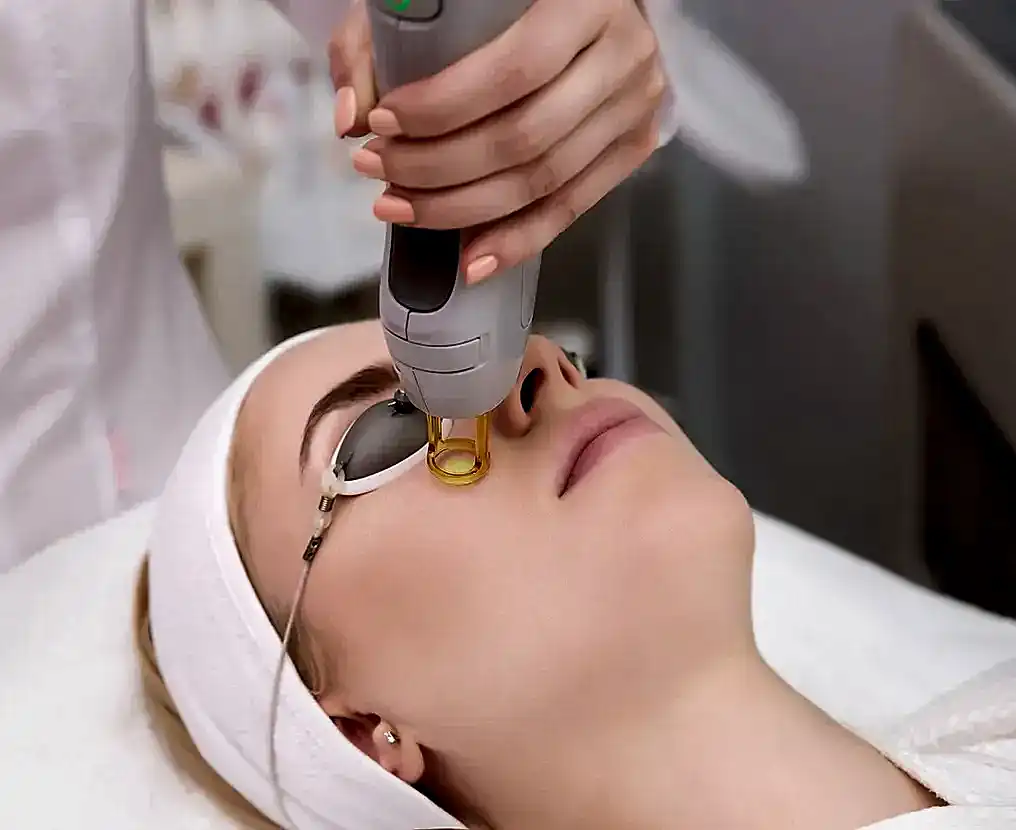
The application of the Q-Switched Nd:YAG Laser in a clinical setting involves a series of carefully controlled steps. Initially, the treatment area is cleansed, and protective eyewear is provided to the patient. The laser is then precisely directed at the target area, emitting short bursts of light to break down pigment particles without damaging surrounding tissue.
During the examination phase, I evaluate the patient’s skin and pigmentation type to determine the appropriate laser settings. Factors such as skin color, lesion depth, and tattoo ink type are considered to customize the treatment plan. This ensures that the procedure is both safe and effective, minimizing potential side effects.
In our clinic, the application of the Q-Switched Nd:YAG Laser is conducted with a focus on individualized care. The treatment parameters, including the duration and intensity of laser exposure, are tailored to each patient’s unique needs. This personalized approach allows us to achieve optimal results while ensuring patient safety and comfort throughout the procedure.
Mechanism of Action: How Q-Switched Nd:YAG Laser Works
The Q-Switched Nd:YAG laser operates by emitting a short, intense pulse of light that penetrates the skin without causing damage to the surrounding tissue. This light is absorbed by specific pigments in the skin, such as melanin or tattoo ink, which are then broken down through a process called photothermolysis. The fragmented particles are gradually eliminated by the body’s immune system, resulting in clearer skin.

Personalized Treatment
Every individual’s skin and skin structure are unique. Therefore, Q-Switched Nd:YAG Laser should be personalized for each person.

Sterile Clinical Environment
Q-Switched Nd:YAG Laser must be performed under the supervision of a specialist physician and in a sterile clinical environment.

Treatment Tailored to Your Needs
In our clinic, the number of sessions is customized specifically for you, both for Q-Switched Nd:YAG Laser and our other treatments.
Common Applications in Dermatology
The Q-Switched Nd:YAG laser is widely used for a variety of dermatological applications. Some of the most common uses include:
- Pigmentation treatment, such as age spots and freckles
- Tattoo removal for both professional and amateur tattoos
- Treatment of vascular lesions like spider veins
- Skin rejuvenation to improve texture and tone
Procedure Safety and Precautions
Ensuring the safety of the patient during the Q-Switched Nd:YAG laser procedure is paramount. Key precautions include:
- Conducting a thorough skin assessment to determine suitability
- Using protective eyewear to shield eyes from laser light
- Adjusting the laser settings based on skin type and treatment area
- Monitoring the skin’s response during the procedure to prevent complications
Expected Side Effects and Management
While the Q-Switched Nd:YAG laser is generally safe, patients may experience some side effects, which can include:
- Temporary redness and swelling in the treated area
- Mild discomfort or a sensation similar to a rubber band snap
- Possible temporary changes in skin pigmentation
These effects are typically mild and resolve within a few days. Patients are advised to follow post-procedure care instructions to minimize discomfort and promote healing.
Considerations for Different Skin Types
The Q-Switched Nd:YAG laser is versatile and can be used on various skin types. However, certain considerations are necessary:
Fitzpatrick Skin Types
Patients with darker skin (Fitzpatrick types IV to VI) may require lower energy settings to reduce the risk of hyperpigmentation or hypopigmentation.
Individual Skin Conditions
Pre-existing skin conditions, such as eczema or active acne, may affect the suitability of the treatment. A thorough consultation is recommended to assess any potential risks.
Post-Procedure Care and Recovery
Proper post-procedure care is crucial to ensure optimal results and minimize the risk of complications. Recommended care steps include:
- Applying a soothing ointment to the treated area to reduce irritation
- Using sun protection to prevent UV damage and pigmentation changes
- Avoiding harsh skin care products until the skin has fully healed
Patients should follow their healthcare provider’s instructions closely and attend any follow-up appointments to monitor the healing process.
| Feature | Description |
|---|---|
| Procedure Duration | Approximately 15-30 minutes |
| Duration of Effect | Varies depending on treatment goals; maintenance sessions may be required |
| Recommended Number of Sessions | 3-6 sessions, spaced 4-6 weeks apart |
| Side Effects | Redness, swelling, mild discomfort, temporary skin lightening or darkening |
| Recovery Period | Minimal downtime; normal activities can usually resume immediately |
| Treatment Areas | Face, neck, chest, hands, and other areas with pigmentation issues |
Clinical Evaluation and Expert Assessment
In dermatological practices, a comprehensive clinical evaluation is crucial to determine the suitability and potential effectiveness of any treatment approach. The evaluation process is centered on understanding the unique anatomical and dermatological characteristics of each patient. By carefully assessing the skin’s structure, texture, and underlying tissue characteristics, we can tailor interventions that align with the specific needs and goals of the individual. This detailed analysis is integral to formulating a personalized treatment plan that respects the nuances of each case, ensuring that all variables are considered before proceeding.
Expertise in clinical evaluation also involves a thorough review of the patient’s medical history and previously applied procedures. This retrospective assessment allows us to gauge how past treatments have influenced the skin’s current state and to anticipate potential responses to new interventions. By prioritizing this comprehensive approach, we aim to maintain the skin’s long-term health and balance, taking into account any underlying conditions that may affect treatment outcomes. The insights gained through this methodical evaluation process guide us in making informed decisions that prioritize patient safety and efficacy.
Key Considerations in Clinical Decision-Making
- Anatomical structure and tissue characteristics
- Skin type and existing dermatological conditions
- Previously applied procedures and responses
- Long-term balance and maintenance requirements
Q-Switched Nd:YAG Laser Prices
Prices for the Q-Switched Nd:YAG Laser treatment can vary significantly due to individual differences in skin type, treatment needs, and desired outcomes. As each person’s requirements are unique, a standard price cannot be established without a preliminary clinical evaluation. This evaluation helps in determining the most appropriate treatment plan tailored to individual needs. For a personalized quote and detailed information, we encourage you to contact our clinic directly to discuss your specific situation and treatment goals.
Conclusion
The Q-Switched Nd:YAG Laser procedure is designed to address various skin concerns, including pigmentation irregularities and tattoo removal. The importance of a personalized evaluation by a qualified dermatologist like Uzm.Dr. Ecem Cantürk Nazlı ensures that each patient receives a tailored approach that considers their unique skin type and condition. The process is shaped by comprehensive examination and the physician’s expert opinion, emphasizing a balanced and thorough assessment. This clinical approach ensures that the treatment aligns with the patient’s individual needs and dermatological health.
Q-Switched Nd:YAG Laser Frequently Asked Questions
Question: Is the Q-Switched Nd:YAG Laser procedure painful?
Answer: The Q-Switched Nd:YAG Laser procedure is generally well-tolerated by patients. Some individuals may experience mild discomfort during the treatment, but this is usually manageable.
Question: How soon can I see the effects of the Q-Switched Nd:YAG Laser?
Answer: The effects of the Q-Switched Nd:YAG Laser can vary depending on the treatment area and condition. Some patients notice improvements after the first session, while others may require multiple sessions for optimal results.
Question: Can I return to my daily activities immediately after the procedure?
Answer: Most patients can resume their daily activities shortly after the Q-Switched Nd:YAG Laser procedure. However, it is advised to follow any specific aftercare instructions provided by the physician to ensure proper healing.
Question: What are the possible side effects of the Q-Switched Nd:YAG Laser?
Answer: Possible side effects of the Q-Switched Nd:YAG Laser include mild redness, swelling, and temporary changes in skin pigmentation. These effects are typically transient and resolve within a few days post-treatment.