

Psoriasis Treatment

Psoriasis Treatment, as Uzm.Dr. Ecem Cantürk Nazlı’s area of expertise, this procedure addresses both the aesthetic and functional challenges faced by individuals in Izmir. By focusing on skin quality and renewal, the treatment offers a problem-oriented approach that enhances a patient’s confidence and comfort. The key strength of the procedure lies in its ability to improve skin health and provide a sense of relief, ultimately leading to a better quality of life.
The natural and balanced results of psoriasis treatment contribute to both physical and psychological well-being. Patients often experience rejuvenation and recovery, which can lead to a significant increase in self-confidence. By providing a controlled and targeted approach, Uzm.Dr. Ecem Cantürk Nazlı ensures that each treatment is tailored to meet the unique needs of the patient, promoting a sense of comfort and satisfaction.
What Is Psoriasis Treatment?
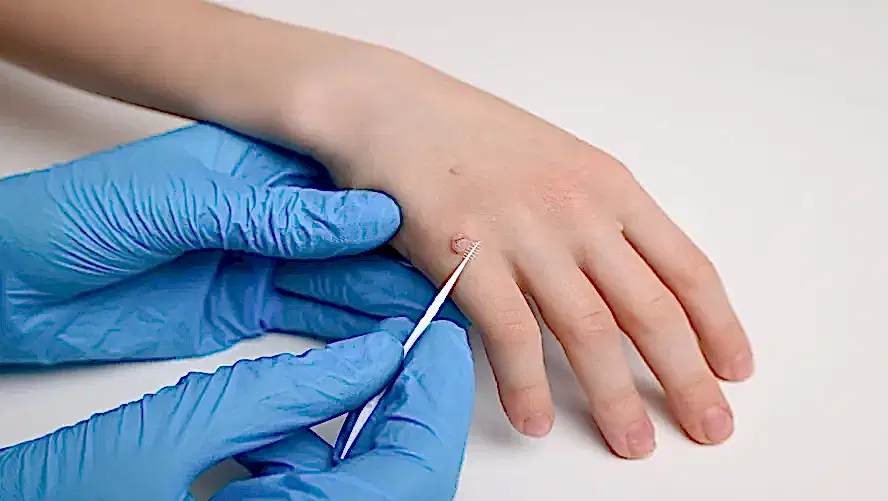
Psoriasis treatment is a medical approach aimed at managing the symptoms and progression of psoriasis, a chronic skin condition characterized by red, scaly patches. The primary goal of the treatment is to reduce inflammation, slow down the rapid growth of skin cells, and relieve itching and discomfort. The treatment targets the affected areas of the skin, providing relief and improving skin appearance.
In the field of dermatology, psoriasis treatment is tailored to the individual needs of the patient, considering the severity and type of psoriasis. It is suitable for patients experiencing moderate to severe symptoms that affect their quality of life. The treatment is selected based on factors such as the patient’s medical history, lifestyle, and specific skin condition. Individual evaluation is crucial to ensure the most effective management plan is chosen, as psoriasis can vary significantly from one person to another.
How Is Psoriasis Treatment Performed?
The psoriasis treatment process in our clinic progresses through a series of carefully planned steps to ensure optimal outcomes. Initially, the patient undergoes a thorough evaluation, followed by the application of the most appropriate treatment modalities based on their specific needs. The general framework involves both topical and systemic therapies, depending on the severity of the condition.
During the examination, I evaluate the patient’s skin condition, considering factors such as the type, extent, and location of psoriasis lesions. This assessment is crucial for determining the best course of action. In our clinic, we prioritize individualized care, taking into account the patient’s overall health, lifestyle, and personal preferences.
The application stage of psoriasis treatment involves a controlled and personalized approach. Topical treatments, such as corticosteroids and vitamin D analogs, may be used for localized lesions, while systemic therapies, including oral medications and biologics, are considered for more extensive cases. We ensure that each treatment is tailored to the patient’s unique needs, monitoring progress and adjusting the plan as necessary to achieve the best possible results.
Understanding Different Types of Psoriasis Treatments
Psoriasis treatment options vary depending on the severity and type of psoriasis a patient has. The primary categories of treatments include topical treatments, phototherapy, and systemic medications. Each approach targets different aspects of the condition to alleviate symptoms and improve the patient’s quality of life.
Topical Treatments
Topical treatments are often the first line of therapy for mild to moderate psoriasis. These medications, such as corticosteroids and vitamin D analogs, are applied directly to the skin to reduce inflammation and slow down the rapid growth of skin cells.
Phototherapy
Phototherapy, also known as light therapy, involves exposing the skin to ultraviolet light under medical supervision. This treatment is particularly effective for moderate to severe cases and can help reduce the appearance of plaques.
Systemic Medications
For patients with severe psoriasis, systemic medications may be prescribed. These include oral or injected drugs that work throughout the body to control the immune system and reduce inflammation.

Personalized Treatment
Every individual’s skin and skin structure are unique. Therefore, Psoriasis Treatment should be personalized for each person.

Sterile Clinical Environment
Psoriasis Treatment must be performed under the supervision of a specialist physician and in a sterile clinical environment.

Treatment Tailored to Your Needs
In our clinic, the number of sessions is customized specifically for you, both for Psoriasis Treatment and our other treatments.
Potential Side Effects of Psoriasis Treatments
Understanding the potential side effects of psoriasis treatments is crucial for managing expectations and ensuring patient safety. Each treatment type carries its own set of possible side effects.
- Topical Treatments: Skin irritation, dryness, and redness are common side effects.
- Phototherapy: Short-term effects can include redness and itching, while long-term use may increase the risk of skin cancer.
- Systemic Medications: These can cause various side effects, such as liver damage or weakened immune function, depending on the specific medication used.
Factors Influencing Treatment Choice
Several factors play a role in determining the most appropriate psoriasis treatment for a patient. These include the severity and type of psoriasis, patient preferences, and potential side effects.
- Severity of Psoriasis: Mild cases may only require topical treatments, while more severe cases might need systemic therapy.
- Psoriasis Type: Different types of psoriasis may respond better to specific treatments.
- Patient Lifestyle and Preferences: Considerations like treatment convenience and patient comfort can influence treatment choice.
Advancements in Biologic Treatments for Psoriasis
Biologic drugs represent a significant advancement in psoriasis treatment. These medications target specific parts of the immune system to reduce inflammation and plaque formation.
Biologics are typically used for moderate to severe psoriasis that has not responded to traditional therapies. They are administered via injection or intravenous infusion and have shown promising results in managing symptoms and reducing flare-ups.
Integrating Lifestyle Modifications with Medical Treatments
While clinical treatments are crucial for managing psoriasis, integrating lifestyle modifications can enhance treatment effectiveness and help manage symptoms.
- Dietary Changes: A balanced diet rich in anti-inflammatory foods can support skin health.
- Stress Management: Techniques such as meditation and yoga can help reduce stress, which can trigger psoriasis flare-ups.
- Regular Exercise: Physical activity can improve overall health and reduce the severity of symptoms.
Monitoring and Adjusting Psoriasis Treatments
Regular monitoring and adjustment of psoriasis treatments are essential to ensure their effectiveness and safety. Patients should maintain open communication with their healthcare providers to address any changes in symptoms or side effects.
Adjustment of treatment regimens may be necessary over time due to changes in disease severity, patient response, or the development of side effects. This dynamic approach helps in achieving optimal treatment outcomes.
| Treatment Method | Procedure Duration | Side Effects |
|---|---|---|
| Topical Treatments | Daily application | Skin irritation, dryness |
| Phototherapy | 20-30 minutes per session | Redness, itching |
| Systemic Medications | Varies by medication | Liver damage, increased infection risk |
| Biologics | Every 2-8 weeks | Injection site reactions, infection risk |
Clinical Evaluation and Expert Planning in Dermatology
In the clinical evaluation of dermatological conditions, a comprehensive approach is essential. Dermatologists like Uzm. Dr. Ecem Cantürk Nazlı in Izmir focus on understanding the individual anatomical structure and tissue characteristics of each patient. This includes assessing the skin’s overall health, existing conditions, and any underlying factors that may influence treatment outcomes. By considering these variables, a tailored treatment plan can be developed that aligns with the patient’s specific needs and long-term health goals.
An expert perspective is vital in navigating the complexities of dermatological treatments. The evaluation process involves a thorough analysis of the skin type, pre-existing dermatological issues, and any previously applied procedures. This information helps in predicting the skin’s response to treatment and planning for future maintenance. The goal is to ensure a balanced approach that supports the skin’s health over time, taking into account both immediate and long-term requirements.
Key Considerations in Clinical Decision-Making
- Anatomical structure and tissue characteristics
- Skin type and existing dermatological conditions
- Previously applied procedures and responses
- Long-term balance and maintenance requirements
Psoriasis Treatment Prices
Psoriasis treatment prices can vary significantly due to individual differences in patient needs and treatment plans. Each person’s psoriasis condition is unique, making it essential to tailor treatments specifically to their situation. Consequently, a standard price cannot be provided without a thorough understanding of the patient’s condition. To receive a personalized assessment and accurate pricing, please contact our clinic to schedule a clinical evaluation. Our team will be happy to assist you in determining the most suitable treatment approach for your needs.
Conclusion
Psoriasis treatment is pivotal in addressing the chronic and often distressing symptoms associated with this skin condition. The individualized evaluation by {{doktor_adi}} in {{şehir}} plays a decisive role in tailoring the appropriate therapeutic approach to meet each patient’s unique needs. Through comprehensive examination and the expert opinion of a physician, the treatment process is carefully shaped to ensure optimal outcomes. This clinical approach emphasizes balance and thorough assessment, ensuring that each patient’s journey is guided by medical expertise and care.
Psoriasis Treatment Frequently Asked Questions
Question: Is psoriasis treatment painful?
Answer: Psoriasis treatments vary, and most are designed to minimize discomfort. Patients may experience mild sensations during certain procedures, but the aim is to provide effective relief with minimal pain.
Question: How soon can I expect to see results from the treatment?
Answer: The timeframe for noticeable results can vary depending on the treatment method and individual patient factors. Some patients may observe improvements within weeks, while others might require a longer period for optimal results.
Question: Can I return to my daily activities immediately after treatment?
Answer: Most psoriasis treatments allow patients to resume their daily activities quickly. However, it’s important to follow any specific post-treatment advice provided by {{doktor_adi}} to ensure proper care and healing.
Question: Are there any side effects associated with psoriasis treatments?
Answer: While psoriasis treatments are generally well-tolerated, some patients might experience mild side effects such as temporary redness or irritation. It is crucial to discuss any concerns with {{doktor_adi}} to tailor the treatment plan accordingly.