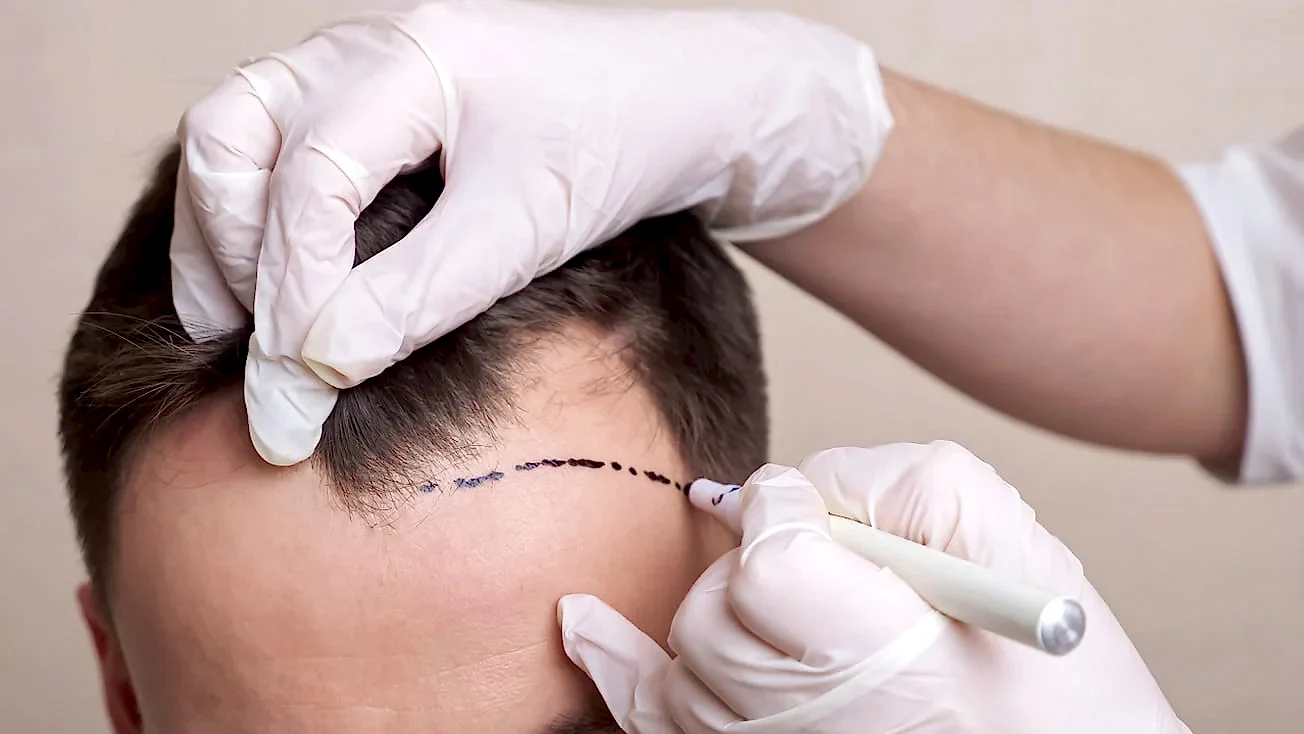


Pigmentation Treatment

Pigmentation Treatment, under Uzm.Dr. Ecem Cantürk Nazlı’s area of expertise, this procedure addresses the common issue of uneven skin tone by focusing on skin quality and renewal. In Izmir, this targeted approach enhances both aesthetic appeal and functional health, offering a problem-oriented solution that revitalizes the skin. Patients benefit from improved skin texture and a more uniform complexion, enhancing their overall appearance.
Natural and balanced results are paramount in Pigmentation Treatment, leading to increased self-confidence and a sense of rejuvenation. The procedure not only contributes to physical improvements but also supports psychological well-being by promoting a sense of recovery and comfort. By achieving a harmonious skin tone, individuals experience enhanced self-esteem and a boost in their everyday life.
What Is Pigmentation Treatment?
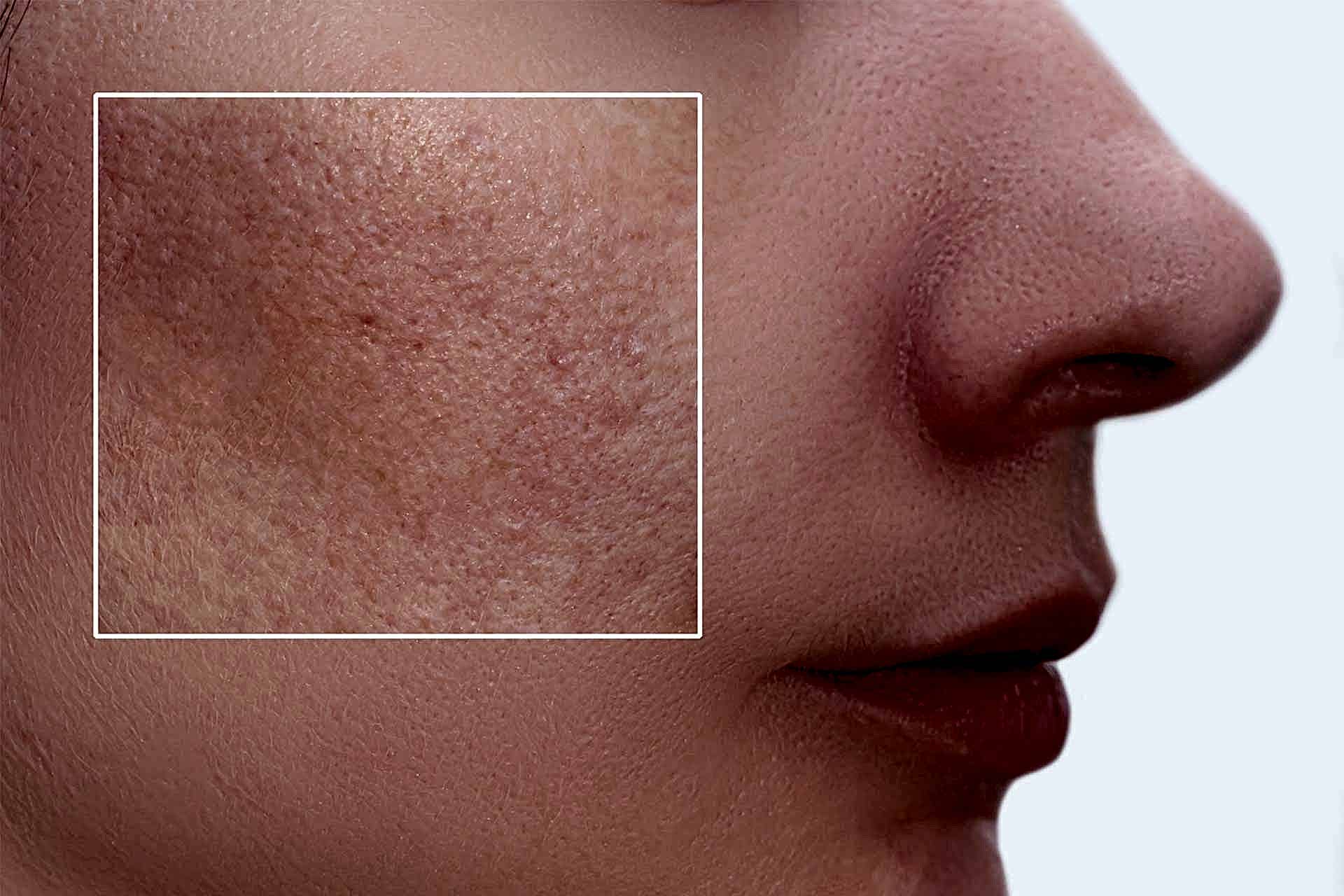
Pigmentation treatment is a medical aesthetic procedure aimed at reducing or eliminating unwanted skin discolorations, such as dark spots or hyperpigmentation, by targeting melanin in the skin. This treatment addresses issues like sunspots, age spots, and melasma, focusing on achieving a more even skin tone and enhancing overall skin appearance.
Pigmentation treatments are an integral part of dermatology, and they can be suitable for individuals experiencing skin discoloration issues due to various factors such as sun exposure, hormonal changes, or aging. These treatments are often tailored to each patient’s specific needs, considering skin type and the underlying cause of pigmentation. Individual evaluation is crucial to determine the most appropriate approach, ensuring effective and safe outcomes.
How Is Pigmentation Treatment Applied?
In our clinic, the pigmentation treatment process generally begins with a thorough skin assessment to understand the extent and type of pigmentation issues. This evaluation helps in planning a personalized treatment strategy that may involve multiple sessions for optimal results.
During the examination, I evaluate factors such as the depth, location, and cause of pigmentation. The decision-making process involves selecting the most suitable treatment modality, considering patient history, skin type, and specific dermatological needs. This careful assessment ensures that the chosen approach aligns with the patient’s condition and expectations.
When applying pigmentation treatment, a controlled and individualized approach is followed to ensure safety and effectiveness. Techniques may include laser devices like the Q-switched Nd:YAG laser, which specifically targets melanin to lighten pigmentation. The procedure is performed with precision, focusing on achieving natural-looking results while minimizing potential side effects. Each session is tailored to the patient’s response to treatment, allowing for adjustments to optimize outcomes.
Understanding the Causes of Pigmentation Issues
Pigmentation issues can arise from a variety of factors, including genetic predisposition, sun exposure, hormonal changes, and skin injuries. Understanding these underlying causes is crucial for selecting the appropriate pigmentation treatment and achieving optimal results.
Genetic Predisposition
Certain individuals are genetically more prone to pigmentation disorders such as melasma, freckles, and age spots. Recognizing a genetic predisposition can help in tailoring treatment options that consider long-term skin health.
Sun Exposure and UV Radiation
Exposure to ultraviolet (UV) radiation is a significant contributor to pigmentation issues. UV rays can trigger melanin production, leading to dark spots and uneven skin tone. Effective pigmentation treatments often incorporate strategies to mitigate sun damage.
Hormonal Changes
Fluctuations in hormone levels, particularly during pregnancy or with the use of certain medications, can lead to conditions like melasma. Hormonal-related pigmentation requires specialized treatment approaches to manage effectively.

Personalized Treatment
Every individual’s skin and skin structure are unique. Therefore, Pigmentation Treatment should be personalized for each person.

Sterile Clinical Environment
Pigmentation Treatment must be performed under the supervision of a specialist physician and in a sterile clinical environment.

Treatment Tailored to Your Needs
In our clinic, the number of sessions is customized specifically for you, both for Pigmentation Treatment and our other treatments.
Common Types of Pigmentation Treatments
There are several clinical procedures available for treating pigmentation issues, each suited to different conditions and skin types. Understanding the options can guide patients and practitioners in choosing the right treatment.
- Laser Treatments: Utilize focused light to target pigmentation and stimulate skin rejuvenation.
- Chemical Peels: Involve the application of a chemical solution to exfoliate and remove pigmented skin layers.
- Microdermabrasion: A mechanical exfoliation technique that improves skin texture and tone.
Benefits and Limitations of Pigmentation Treatments
While pigmentation treatments offer significant benefits, it is important to understand their limitations to manage expectations realistically.
Expected Benefits
- Reduction in the appearance of dark spots and uneven skin tone.
- Improvement in skin texture and overall complexion.
- Boost in self-esteem and confidence due to enhanced skin appearance.
Potential Limitations
Some treatments may require multiple sessions for optimal results, and not all pigmentation can be completely eliminated. Patients should have realistic expectations and discuss potential outcomes with their healthcare provider.
Post-Treatment Care and Maintenance
Appropriate post-treatment care is essential for maintaining the benefits of pigmentation treatments and preventing recurrence.
Immediate Aftercare
Following treatment, patients may experience redness or sensitivity. Recommended aftercare includes gentle cleansing, moisturizing, and avoiding direct sun exposure.
Long-Term Maintenance
To preserve treatment results, patients should adhere to a skincare routine that includes sun protection, regular moisturizing, and possibly periodic touch-up treatments as advised by their dermatologist.
Potential Side Effects and Risks
As with any medical procedure, pigmentation treatments carry potential side effects and risks. Understanding these can help patients make informed decisions.
- Temporary redness or swelling at the treatment site.
- Risk of hyperpigmentation or hypopigmentation, particularly in individuals with darker skin tones.
- Possibility of infection if post-treatment care instructions are not followed properly.
Choosing the Right Pigmentation Treatment
Selecting the appropriate pigmentation treatment involves considering several factors, including skin type, the severity of the pigmentation, and personal health conditions.
Consultation with a Dermatologist
A thorough consultation with a dermatologist is crucial for evaluating skin condition and discussing treatment goals. This ensures that the chosen treatment aligns with the patient’s needs and medical history.
Customization and Personalization
Treatment plans should be tailored to the individual, taking into account unique skin characteristics and lifestyle factors to maximize efficacy and minimize risks.
| Feature | Description |
|---|---|
| Procedure Duration | 30 to 60 minutes per session |
| Duration of Effect | Varies, typically several months |
| Recommended Sessions | 3 to 6 sessions, based on individual needs |
| Side Effects | Redness, minor swelling, temporary discomfort |
| Recovery Period | Minimal downtime, usually 1 to 3 days |
| Treatment Areas | Face, neck, hands, and other affected areas |
Clinical Evaluation and Expert Planning in Dermatology
In the field of dermatology, particularly when addressing pigmentation concerns, a meticulous clinical evaluation is fundamental. The approach begins with a comprehensive assessment of the anatomical and structural characteristics of the skin. Each patient’s skin presents unique variables, such as texture, elasticity, and underlying tissue conditions, which are crucial to consider. Dermatologists, like Uzm.Dr. Ecem Cantürk Nazlı, rely on their expertise to identify these variables, ensuring that each aspect of the skin’s structure is thoroughly understood before proceeding with any treatment plan.
Expert dermatologists in Izmir, such as Uzm.Dr. Ecem Cantürk Nazlı, emphasize the importance of an individualized evaluation process. This involves not only assessing the current state of the skin but also considering any pre-existing dermatological conditions and past procedures. By doing so, the dermatologist can develop a tailored strategy that prioritizes long-term skin health and maintenance. This careful planning process underscores the necessity of balancing immediate treatment needs with sustainable, ongoing care.
Key Considerations in Dermatological Evaluation
- Anatomical structure and tissue characteristics
- Skin type and existing dermatological conditions
- Previously applied procedures and responses
- Long-term balance and maintenance requirements
Pigmentation Treatment Prices
Understanding the cost of pigmentation treatment begins with a thorough clinical evaluation. Each individual’s skin condition and treatment needs are unique, which makes it essential for a specialist to assess your specific situation before determining a fee. This personalized approach ensures that all factors are considered to create an effective treatment plan tailored to you. To receive an accurate price estimate, we encourage you to contact our clinic and arrange a consultation where all your questions will be addressed.
Conclusion
Pigmentation treatment addresses concerns related to uneven skin tone, dark spots, and hyperpigmentation, providing a tailored approach to individual needs. The personalized evaluation conducted by Uzm.Dr. Ecem Cantürk Nazlı is crucial in determining the most suitable treatment plan. Through thorough examination and professional insight, the treatment process is carefully shaped to ensure a balanced and effective clinical approach. This method emphasizes the importance of assessment and expert opinion in achieving optimal results.
Pigmentation Treatment Frequently Asked Questions
Question: Is the pigmentation treatment procedure painful?
Answer: The level of discomfort during pigmentation treatment varies depending on the specific procedure and individual sensitivity. Most patients experience minimal discomfort, which is often described as a mild tingling sensation. Appropriate measures are usually taken to ensure comfort throughout the process.
Question: When is the effect of pigmentation treatment noticeable?
Answer: The timeline for noticeable effects from pigmentation treatment can vary based on the type and extent of pigmentation. Patients generally observe improvements within a few weeks, though this can differ depending on the individual’s skin response and treatment plan.
Question: How many sessions are required for pigmentation treatment?
Answer: The number of sessions required for pigmentation treatment is determined by factors such as the severity of the pigmentation and the chosen treatment method. Typically, multiple sessions are needed to achieve the desired results, with intervals allowing for skin recovery and assessment.
Question: Are there any possible side effects of pigmentation treatment?
Answer: As with any medical procedure, pigmentation treatment may have potential side effects, which could include temporary redness, swelling, or irritation at the treatment site. These effects are usually mild and resolve within a short period, but it is important to follow post-treatment care instructions provided by the physician.