

Tattoo Removal
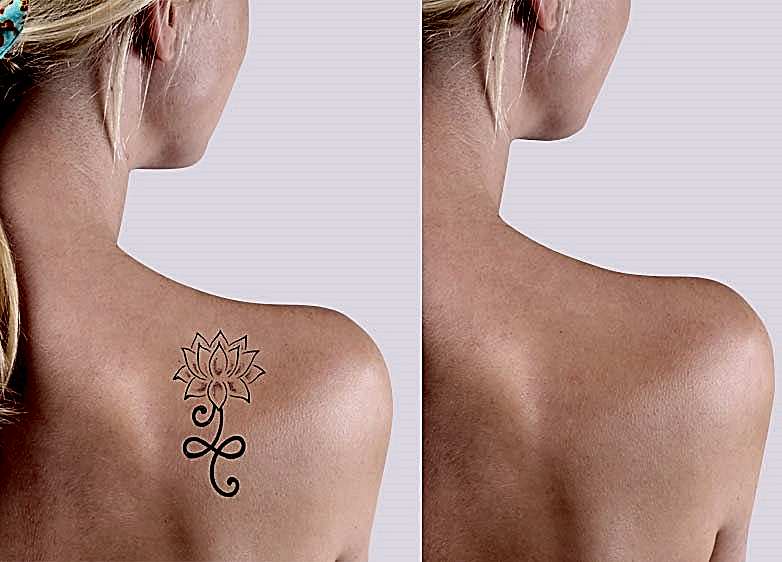
Tattoo Removal, a specialized procedure in Uzm.Dr. Ecem Cantürk Nazlı’s area of expertise, addresses the growing need for effective and safe removal of unwanted tattoos. In Izmir, this process offers significant aesthetic and functional benefits, allowing individuals to achieve a desired appearance through technology-supported processes. The procedure’s key strength lies in its targeted effect and controlled application, ensuring precise outcomes without compromising the integrity of the skin.
Patients often report a natural and balanced result, enhancing both physical and psychological well-being. This improvement can lead to increased self-confidence and comfort in daily life. The technology-supported process ensures a rejuvenating experience, allowing individuals to transition smoothly towards their desired outcome. By focusing on these aspects, the procedure contributes positively to a person’s overall quality of life.
What Is Tattoo Removal?
Tattoo removal is a medical procedure designed to eliminate unwanted tattoos from the skin using laser technology. This process targets the ink particles embedded in the dermis, breaking them down so they can be naturally absorbed and eliminated by the body. It addresses the needs of individuals seeking to remove tattoos for personal, professional, or aesthetic reasons.
Within the field of dermatology, tattoo removal is a specialized procedure requiring expertise to ensure safety and effectiveness. It is suitable for individuals who experience tattoo regret or require removal for professional purposes. Each patient’s situation is unique, and evaluation is performed on an individual basis to determine the most appropriate approach, considering factors such as skin type, ink color, and tattoo size.
How Is Tattoo Removal Applied?
In our clinic, the tattoo removal process begins with a comprehensive consultation to assess the tattoo and discuss patient expectations. The treatment is typically performed using Q-switched Nd:YAG laser, which is specifically designed to target tattoo pigments while minimizing damage to surrounding skin. Sessions are spaced to allow skin recovery and maximize the clearance of ink.
During the examination, I evaluate factors such as the age, size, color, and location of the tattoo. These considerations help determine the number of sessions required and the specific approach to be taken. I ensure that patients are informed about the potential outcomes and the importance of following post-treatment care instructions.
The application stage involves directing laser energy onto the tattooed area, which breaks down the ink particles. A controlled and individualized approach is essential to optimize results while minimizing discomfort and potential side effects. I emphasize the importance of tailoring the procedure to each patient’s unique needs to achieve the best possible outcome safely.
Understanding Tattoo Ink and Its Impact on Removal
Tattoo ink composition plays a crucial role in the removal process. Different inks contain various pigments and carriers, which can affect how well they respond to removal techniques. Understanding the type of ink used can help determine the most suitable removal method and the number of sessions required.
Common Ink Ingredients
- Metallic pigments such as titanium dioxide and iron oxides
- Organic pigments including azo dyes and carbon black
- Carriers like water, alcohol, or glycerin

Personalized Treatment
Every individual’s skin and skin structure are unique. Therefore, Tattoo Removal should be personalized for each person.

Sterile Clinical Environment
Tattoo Removal must be performed under the supervision of a specialist physician and in a sterile clinical environment.

Treatment Tailored to Your Needs
In our clinic, the number of sessions is customized specifically for you, both for Tattoo Removal and our other treatments.
Factors Influencing Tattoo Removal Success
Several factors can influence the success of tattoo removal. These include the age of the tattoo, its size, the depth of ink penetration, and the individual’s skin type. Clinicians assess these factors to tailor a treatment plan that maximizes effectiveness.
Age and Depth of Tattoo
- Older tattoos are typically easier to remove due to natural fading over time.
- Deeper tattoos may require more sessions for complete removal.
Types of Tattoo Removal Techniques
Different techniques are available for tattoo removal, each with its own advantages and limitations. Understanding these methods helps individuals make informed decisions about their treatment options.
Laser Removal
Laser removal is a common method, utilizing different wavelengths to target various ink colors. It requires multiple sessions and is known for its precision and effectiveness on most tattoo colors.
Surgical Excision
This technique involves cutting out the tattooed skin and stitching the remaining skin together. It’s suitable for small tattoos and offers immediate results, but it may leave a scar.
Dermabrasion
Dermabrasion involves sanding down the skin to remove layers containing ink. This method may require anesthesia and carries a risk of skin texture changes.
Potential Side Effects and Risks
While tattoo removal is generally safe, it’s important to be aware of potential side effects and risks. Proper consultation with a qualified professional can help mitigate these risks.
- Temporary redness and swelling
- Changes in skin pigmentation
- Risk of scarring, particularly with surgical methods
Post-Procedure Care and Recovery
Proper post-procedure care is essential for optimal healing and minimizing complications. Following specific aftercare instructions can enhance the overall outcome of the removal process.
Immediate Aftercare
- Keep the treated area clean and dry
- Apply prescribed ointments to promote healing
- Avoid sun exposure to reduce the risk of pigmentation changes
Expected Number of Sessions and Treatment Duration
The number of sessions required for tattoo removal varies depending on several factors, including the tattoo’s size, color, and the individual’s skin response. On average, multiple sessions are needed, spaced several weeks apart to allow for proper healing and ink breakdown.
- Small, simple tattoos may require 3-5 sessions.
- Complex, multicolored tattoos might need 6-10 sessions or more.
- The interval between sessions typically ranges from 6 to 8 weeks.
| Feature | Description |
|---|---|
| Procedure Duration | Typically 15-30 minutes per session |
| Recommended Number of Sessions | 5-10 sessions depending on tattoo size and color |
| Duration of Effect | Permanent removal of tattoo |
| Side Effects | Redness, swelling, blistering, and temporary skin discoloration |
| Recovery Period | Generally 1-2 weeks |
| Treatment Areas | Any area of the body with a tattoo |
Clinical Evaluation and Expert Approach in Treatment Planning
In the clinical evaluation process, we take into account a comprehensive range of anatomical and dermatological factors that may influence treatment outcomes. This includes a careful assessment of the skin’s structural characteristics, taking into consideration variables such as thickness, elasticity, and the presence of underlying conditions that might impact the procedure. Such factors play a crucial role in determining the individualized treatment approach, ensuring that all anatomical nuances are respected and appropriately addressed.
From an expert perspective, it is essential to consider the patient’s medical history and any previous dermatological procedures they may have undergone. This involves understanding the skin’s response to past treatments and evaluating how these might affect future interventions. The goal is to achieve a balanced and sustainable outcome, focusing on long-term skin health and maintenance rather than short-term results.
Key Considerations in Clinical Decision-Making
- Anatomical structure and tissue characteristics
- Skin type and existing dermatological conditions
- Previously applied procedures and responses
- Long-term balance and maintenance requirements
Tattoo Removal Price
Tattoo removal prices can vary significantly from person to person due to individual differences. Factors such as the size, color, and age of the tattoo, as well as skin type and overall health, play a crucial role in determining the treatment process. As a result, a standard price cannot be established without a detailed clinical evaluation. We invite you to contact our clinic to schedule a consultation, during which a personalized treatment plan and fee can be discussed based on your unique needs and circumstances.
Conclusion
Tattoo removal addresses the need to eliminate unwanted body art, catering to individuals seeking to alter their aesthetic appearance. The process is highly reliant on an individualized evaluation, which considers the unique characteristics of each tattoo and the skin it resides on. Uzm. Dr. Ecem Cantürk Nazlı emphasizes the importance of a thorough examination and professional opinion to guide the treatment plan, ensuring it is tailored to achieve optimal outcomes. This clinical approach, grounded in careful balance and assessment, underscores the significance of personalized care in the tattoo removal process.
Tattoo Removal Frequently Asked Questions
Question: Is the tattoo removal procedure painful?
Answer: The level of discomfort experienced during tattoo removal varies among individuals. Many patients describe the sensation as similar to a rubber band snapping against the skin. Local anesthesia or numbing creams can be used to minimize discomfort.
Question: How many sessions are typically required for tattoo removal?
Answer: The number of sessions needed for effective tattoo removal depends on factors such as the size, color, and age of the tattoo. On average, multiple sessions spaced several weeks apart are necessary to achieve the desired results.
Question: What are the possible side effects of tattoo removal?
Answer: Common side effects of tattoo removal include redness, swelling, and temporary skin lightening or darkening. These effects are usually mild and resolve over time with proper care and follow-up.
Question: When can I return to my daily activities after a tattoo removal session?
Answer: Most patients can resume their normal activities immediately after a tattoo removal session. However, it is recommended to avoid sun exposure and strenuous activities for a short period to promote optimal healing.