

Rosacea Treatment
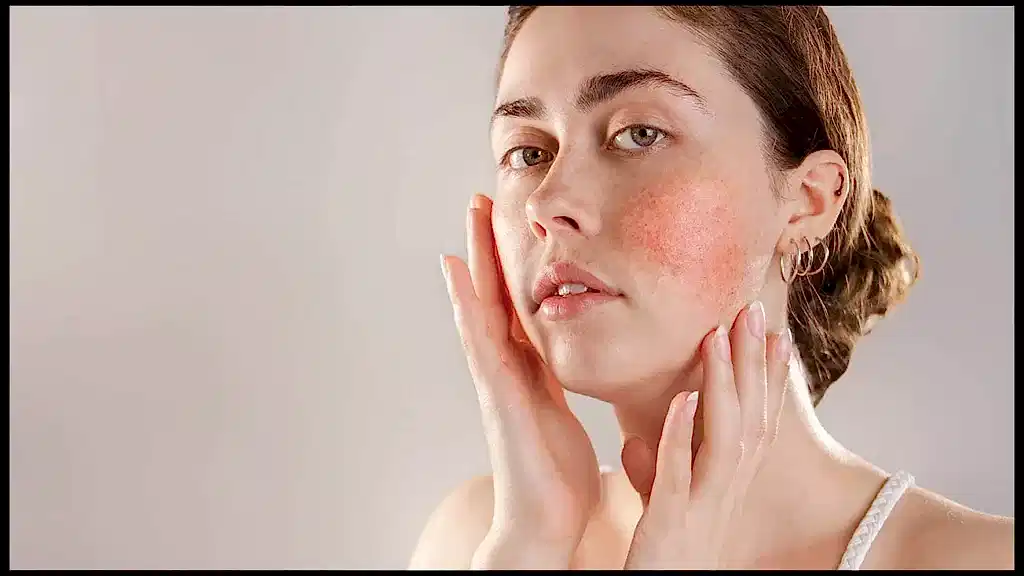
Rosacea Treatment, as detailed by Uzm.Dr. Ecem Cantürk Nazlı, addresses the persistent redness and discomfort associated with this skin condition. Known for its targeted effect and controlled application, this procedure offers both aesthetic and functional benefits to patients in Izmir, enhancing skin quality and promoting a problem-oriented approach to treatment.
The procedure aims for natural and balanced results, contributing positively to both physical appearance and psychological well-being. Through rejuvenation and enhanced skin comfort, patients often experience an increase in self-confidence, reflecting the procedure’s focus on a minimally invasive approach that supports overall skin health.
What Is Rosacea Treatment?
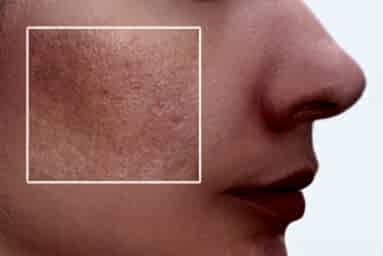
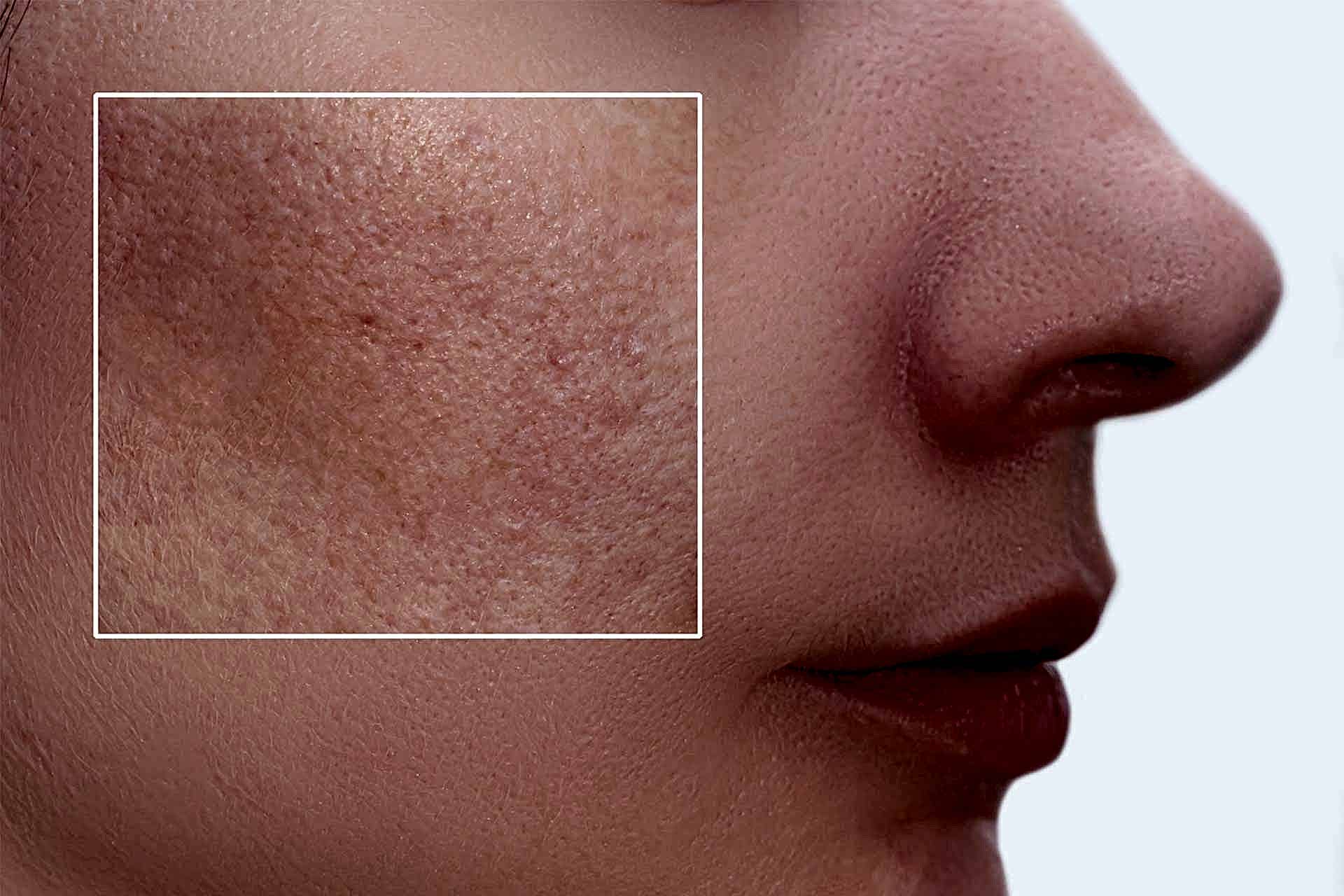
Rosacea treatment is a medical intervention designed to manage and alleviate the symptoms of rosacea, a chronic skin condition characterized by facial redness and visible blood vessels. The primary goal of rosacea treatment is to reduce inflammation, control flare-ups, and improve the overall appearance of the skin, targeting areas commonly affected such as the cheeks, nose, and forehead.
In the field of dermatology, rosacea treatment is tailored to individual patient needs, taking into account the severity and type of rosacea. Suitable for patients experiencing persistent facial redness and discomfort, the treatment may involve topical or oral medications, laser therapy, or lifestyle modifications. Evaluations are conducted on a case-by-case basis to ensure the most appropriate and effective treatment plan is developed, considering each patient’s unique medical history and skin condition.
How Is Rosacea Treatment Applied?
The application of rosacea treatment in a clinical setting typically begins with a thorough consultation and assessment of the patient’s skin condition. The process involves identifying the specific symptoms and triggers of rosacea, allowing for a comprehensive understanding of the patient’s needs. This assessment helps in devising a personalized treatment plan that may include a combination of therapies to effectively manage the condition.
During the examination, I evaluate the patient’s skin type, the extent of the rosacea, and any underlying factors that may contribute to flare-ups. The decision-making process involves considering various treatment options such as topical medications, oral antibiotics, and laser therapies. In our clinic, we prioritize a methodical approach to ensure that each patient receives a tailored treatment plan that aligns with their specific condition.
The application of the treatment is carried out with precision, often involving the use of technology such as BBL laser or Q-switched Nd:YAG laser, depending on the patient’s condition and treatment plan. My approach emphasizes a controlled, individualized care regimen, ensuring that each session is adjusted to the patient’s response and progress. Regular follow-ups are integral to monitor the effectiveness and make necessary adjustments to the treatment strategy, thereby optimizing outcomes for each patient.
Types of Rosacea Treatments Available
Understanding the various treatment options for rosacea is crucial in managing the condition effectively. Treatment plans can vary depending on the severity of the symptoms and the specific needs of the patient.
Topical Medications
Topical treatments are often the first line of defense for rosacea and can help reduce redness and inflammation. Common topical medications include:
- Metronidazole: An antibiotic cream used to treat mild to moderate rosacea.
- Azelaic Acid: Helps to clear bumps, swelling, and redness.
- Ivermectin: Reduces inflammation and kills Demodex mites that may contribute to rosacea.
Oral Medications
For moderate to severe rosacea, oral medications may be prescribed to manage symptoms more effectively.
- Antibiotics: Such as doxycycline, can reduce inflammation and bacterial growth.
- Isotretinoin: Used in cases where other treatments have failed, primarily to treat severe rosacea.

Personalized Treatment
Every individual’s skin and skin structure are unique. Therefore, Rosacea Treatment should be personalized for each person.

Sterile Clinical Environment
Rosacea Treatment must be performed under the supervision of a specialist physician and in a sterile clinical environment.

Treatment Tailored to Your Needs
In our clinic, the number of sessions is customized specifically for you, both for Rosacea Treatment and our other treatments.
Laser and Light-Based Therapies
Laser and light therapies target visible blood vessels and redness associated with rosacea. These treatments are performed in clinical settings and require specialized equipment.
Types of Laser Treatments
- Pulsed Dye Laser (PDL): Targets blood vessels to reduce redness and flushing.
- Intense Pulsed Light (IPL): Uses multiple wavelengths of light to treat redness and inflammation.
- Nd:YAG Laser: Effective for deeper vascular lesions.
Factors Influencing Treatment Choice
Several factors influence the choice of rosacea treatment, and an individualized approach is often necessary.
Severity of Rosacea
The severity of the condition plays a significant role in determining the appropriate treatment plan.
Patient’s Skin Type and Sensitivity
Understanding the patient’s skin type helps in selecting treatments that minimize irritation and maximize efficacy.
Post-Treatment Care and Management
Effective management of rosacea continues beyond clinical treatments, with post-care being essential for maintaining results.
- Use of gentle skincare products to avoid irritation.
- Consistent application of sunscreen to protect sensitive skin.
- Regular follow-up appointments to monitor progress and adjust treatments if necessary.
Potential Side Effects and Risks
While rosacea treatments are generally safe, there are potential side effects and risks that patients should be aware of.
Common Side Effects
Side effects can vary based on the type of treatment used and the individual’s skin reaction.
- Topical treatments may cause dryness or irritation.
- Oral antibiotics might lead to gastrointestinal issues.
- Laser treatments can result in temporary redness or swelling.
| Treatment | Procedure Duration | Side Effects |
|---|---|---|
| Topical Medication | 5-10 minutes | Skin irritation, dryness |
| Oral Antibiotics | Varies per prescription | Upset stomach, dizziness |
| Laser Therapy | 15-30 minutes | Redness, swelling |
| Intense Pulsed Light Therapy | 20-30 minutes | Temporary redness, discomfort |
Comprehensive Clinical Evaluation in Rosacea Management
In the clinical evaluation process for managing rosacea, a detailed analysis of each patient’s unique anatomical and dermatological characteristics is crucial. This approach ensures that treatment plans are tailored to address the specific needs and conditions of the individual’s skin. Factors such as skin type, existing dermatological conditions, and the structural variables of affected areas are carefully assessed to guide the management strategy.
The expertise of Uzm. Dr. Ecem Cantürk Nazlı, a dermatologist based in Izmir, is instrumental in developing a thorough understanding of these variables. Her clinical insight allows for the identification of potential triggers and responses to previous treatments, ensuring that the management plan is not only effective but also sustainable over the long term. By prioritizing a comprehensive evaluation, the approach to rosacea treatment is both thoughtful and adaptive to each patient’s journey.
Key Evaluation Factors in Clinical Decision-Making
- Anatomical structure and tissue characteristics
- Skin type and existing dermatological conditions
- Previously applied procedures and responses
- Long-term balance and maintenance requirements
Rosacea Treatment Prices
Understanding that rosacea manifests uniquely in each individual, the costs associated with its treatment can vary widely. These variations are largely due to personal differences in skin condition, treatment needs, and desired outcomes. Consequently, a standard price cannot be provided without an initial clinical evaluation. We encourage you to contact our clinic to schedule a consultation, where a thorough examination will allow us to determine the most suitable treatment plan and provide you with an accurate fee estimate tailored to your specific needs.
Conclusion
The Rosacea Treatment procedure addresses the need to manage the symptoms and improve the appearance of skin affected by rosacea. The process is intricately shaped by an individualized evaluation, ensuring that each patient’s unique condition is thoroughly assessed. Under the expert guidance of Uzm. Dr. Ecem Cantürk Nazlı in Izmir, the examination and physician’s opinion play a pivotal role in crafting a treatment plan. This clinical approach emphasizes a balanced assessment to achieve optimal outcomes for each patient.
Rosacea Treatment Frequently Asked Questions
Question: Is the procedure painful?
Answer: The sensation experienced during rosacea treatment can vary depending on the specific method used. Some patients report mild discomfort, but it is generally well-tolerated.
Question: When is the effect noticeable?
Answer: The effects of rosacea treatment can typically be noticed after a few sessions, with gradual improvements in skin appearance over time. Individual results may vary based on the severity of the condition.
Question: How many sessions are required?
Answer: The number of sessions required for rosacea treatment depends on the individual’s skin condition and response to the treatment. A personalized plan is developed by the physician to best address the patient’s needs.
Question: Are there any possible side effects?
Answer: As with any medical procedure, there may be potential side effects, which can include temporary redness or irritation. It is important to discuss any concerns with the treating physician to ensure a comprehensive understanding of the treatment.