
Wart Treatment
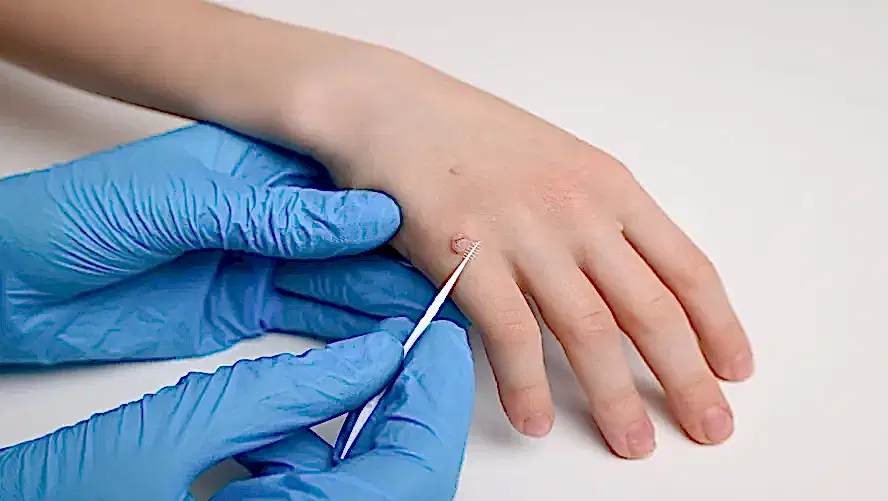
Wart Treatment, an important procedure in Uzm.Dr. Ecem Cantürk Nazlı’s area of expertise, aims to address skin quality and renewal through a problem-oriented approach. This treatment offers both aesthetic and functional benefits, improving the overall appearance and texture of the skin. In Izmir, the clinical application of this procedure allows for a personalized approach, ensuring that the specific needs of each patient are met effectively.
Patients can expect a natural and balanced result from the Wart Treatment, contributing to both physical and psychological well-being. The focus on a minimally invasive process helps in maintaining comfort during the treatment, promoting a sense of rejuvenation and increased self-confidence. This approach ensures that the results are not only effective but also harmonize with the individual’s natural features.
What Is Wart Treatment?
Wart treatment is a medical procedure aimed at removing benign skin growths caused by the human papillomavirus (HPV) that can appear on various parts of the body. These growths, commonly known as warts, can be unsightly and sometimes painful, necessitating medical intervention to alleviate discomfort and prevent further spread.
In the field of dermatology, wart treatment is essential for managing skin health and aesthetics. It is suitable for patients who experience discomfort or cosmetic concerns due to warts. The choice of treatment depends on factors like wart type, location, and patient health, emphasizing the need for individualized evaluation. This approach ensures that the treatment is tailored to the patient’s specific needs, optimizing outcomes while minimizing risks.
How Is Wart Treatment Performed?
In our clinic, the wart treatment process begins with a comprehensive assessment of the patient’s skin condition to determine the most appropriate intervention. The procedure typically involves the removal of the wart using methods such as cryotherapy, surgical excision, or topical treatments, depending on the wart’s characteristics and location.
During the examination, I evaluate the size, type, and location of the wart, as well as the patient’s overall skin health. This assessment helps guide the decision-making process, ensuring that the chosen treatment method aligns with the patient’s unique circumstances and medical history.
Application of the treatment is conducted in a controlled and individualized manner, ensuring patient safety and comfort. My approach focuses on minimizing discomfort while effectively addressing the wart. Each treatment plan is customized, taking into account the patient’s specific needs and preferences to achieve the best possible results, reinforcing our commitment to patient-centered care.
Understanding Different Types of Warts
Warts can appear in various forms, each requiring consideration for appropriate treatment. Common warts, plantar warts, flat warts, and genital warts are some of the types that healthcare providers encounter. Identifying the type of wart is crucial for effective treatment planning.
Common Warts
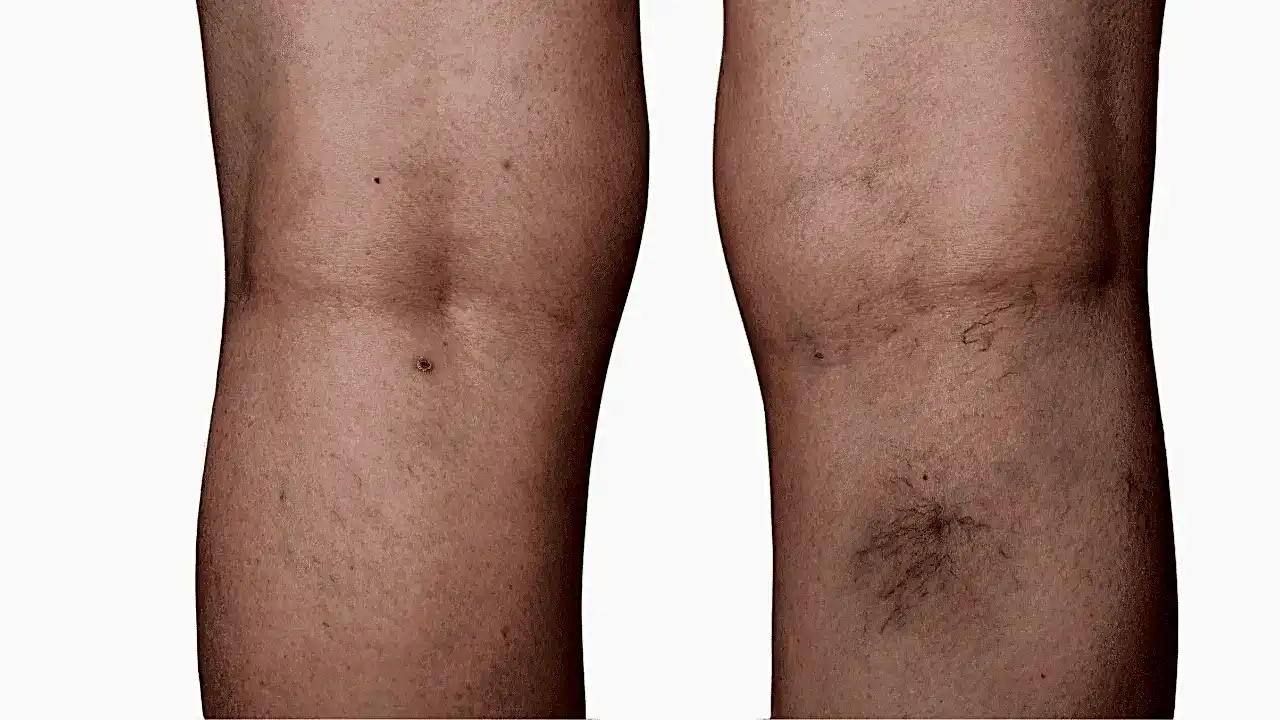
Typically found on the hands and knees, these warts are rough and raised. Their appearance can guide the choice of treatment, focusing on methods that address their tough exterior.
Plantar Warts
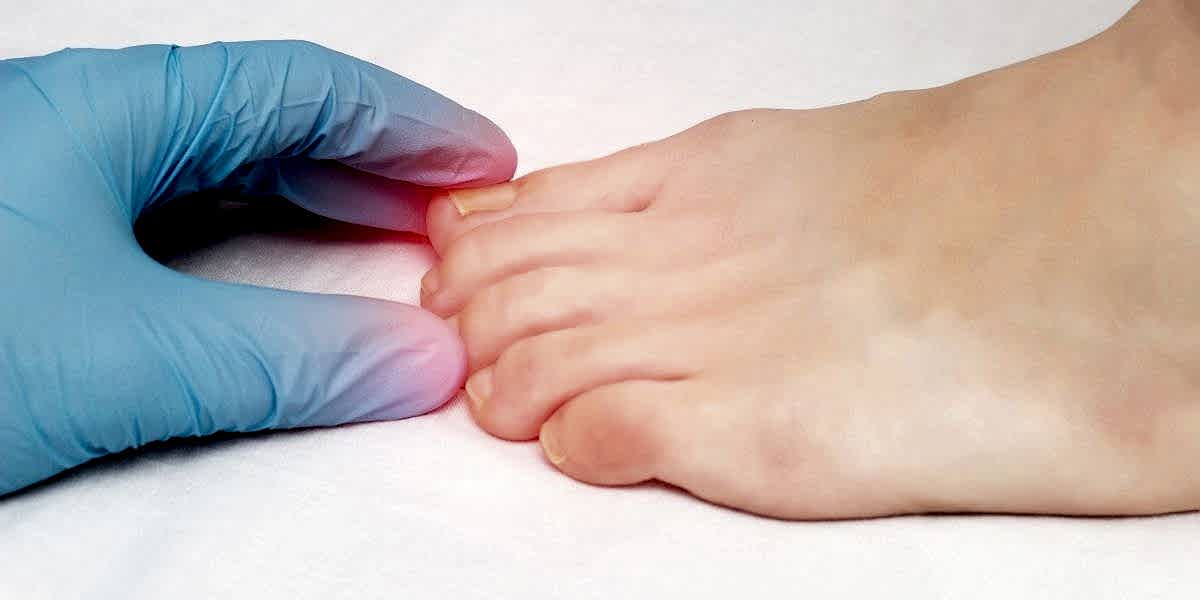
Located on the soles of the feet, plantar warts can cause discomfort due to pressure when walking. Treatment often involves methods that alleviate pain while targeting the wart itself.

Personalized Treatment
Every individual’s skin and skin structure are unique. Therefore, Wart Treatment should be personalized for each person.

Sterile Clinical Environment
Wart Treatment must be performed under the supervision of a specialist physician and in a sterile clinical environment.

Treatment Tailored to Your Needs
In our clinic, the number of sessions is customized specifically for you, both for Wart Treatment and our other treatments.
Exploring Wart Treatment Options
Various treatment options are available depending on the type and severity of the wart. Clinicians may choose from several approaches based on patient needs and wart characteristics.
- Cryotherapy: Freezing the wart using liquid nitrogen can be effective for many types of warts.
- Cantharidin Application: This topical agent causes the wart to blister, aiding in its removal.
- Laser Treatment: Utilizes laser energy to target and destroy wart tissue.
Evaluating Effectiveness and Considerations
Each treatment method offers distinct advantages and considerations. Understanding these can help patients make informed decisions in consultation with their healthcare provider.
Cryotherapy Considerations
This method is widely used, but may require multiple sessions for complete resolution.
Laser Treatment Considerations
Although effective for stubborn warts, laser treatment may be more costly and involve longer recovery times.
Potential Side Effects of Wart Treatments
Like any medical procedure, wart treatments can have side effects. Awareness of these can help patients prepare and manage expectations.
- Redness and irritation at the treatment site
- Blistering following cantharidin application
- Temporary changes in skin pigmentation
Factors Influencing Treatment Duration
The duration of wart treatment can vary based on several factors, including the size, location, and type of wart, as well as the chosen treatment method.
- Size and number of warts: Larger or multiple warts may require extended treatment.
- Patient’s immune response: A strong immune system may aid in quicker resolution.
- Consistency with treatment: Adherence to the prescribed regimen is crucial for success.
Post-Treatment Care and Recommendations
Proper post-treatment care is essential to ensure healing and prevent recurrence. Patients should follow healthcare provider instructions closely.
Skin Care Tips
Maintaining clean and dry skin, avoiding picking at treated areas, and using recommended topical agents can support recovery.
Follow-Up Appointments
Regular follow-up visits allow for monitoring of progress and adjustment of treatment as necessary.
| Feature | Description |
|---|---|
| Treatment Duration | 10-30 minutes per session |
| Duration of Effect | Varies by individual and treatment type |
| Recommended Sessions | 1-6 sessions, depending on severity |
| Possible Side Effects | Redness, swelling, mild pain |
| Recovery Period | Minimal, typically a few days |
| Common Treatment Areas | Hands, feet, face, genitals |
Comprehensive Clinical Evaluation for Personalized Treatment Planning
In the field of dermatology, an individualized approach to wart treatment is essential. Our clinical evaluation process is designed to assess various anatomical and dermatological factors that may influence the treatment pathway. We consider the specific characteristics of the skin, including its texture, thickness, and any underlying conditions, to ensure that the chosen approach aligns with the patient’s unique profile. This tailored evaluation helps in formulating a treatment plan that respects the complexities of the skin’s structure and its response to interventions.
As a professional in dermatology, Uzm.Dr. Ecem Cantürk Nazlı emphasizes the importance of understanding both the current and historical medical context of the patient. Past treatments and how the skin responded provide valuable insights into selecting a suitable method moving forward. By evaluating these aspects, we aim to maintain long-term dermatological health and balance, minimizing the risk of recurrence and ensuring that any treatment administered is in harmony with the patient’s overall skin health needs.
Key Evaluation Criteria for Effective Treatment Planning
- Anatomical structure and tissue characteristics
- Skin type and existing dermatological conditions
- Previously applied procedures and responses
- Long-term balance and maintenance requirements
Wart Treatment Prices
Wart treatment prices can vary from person to person due to the unique nature of each case. A thorough clinical evaluation is essential to determine the appropriate treatment plan tailored to your specific needs. This ensures that the fee is accurately assessed based on the treatment approach required for your condition. We encourage you to contact our clinic to schedule an evaluation and discuss the best options available for your wart treatment. Our team is ready to assist you with any questions you may have.
Conclusion
Wart treatment addresses the need to effectively manage and remove skin growths caused by the human papillomavirus. The process is highly individualized, with each patient requiring a thorough evaluation to determine the most suitable treatment approach. Uzm.Dr. Ecem Cantürk Nazlı emphasizes the importance of a detailed examination and professional opinion to guide the procedure, ensuring that the treatment plan is both balanced and tailored to the specific needs of the patient. A clinical approach that prioritizes assessment and personalized care is essential in achieving optimal outcomes for wart treatment.
Wart Treatment Frequently Asked Questions
Question: Is the wart treatment procedure painful?
Answer: The level of discomfort experienced during wart treatment varies depending on the method used and individual pain tolerance. Some patients may feel mild discomfort, but many procedures are designed to minimize pain. Your physician will discuss pain management options with you.
Question: How soon can I see the effects of wart treatment?
Answer: The timeline for visible effects can vary based on the specific treatment used and the size and location of the wart. Some treatments may show results within a few days, while others might take several weeks. Your physician can provide a more precise timeline during your evaluation.
Question: Can I return to my daily activities after wart treatment?
Answer: Most patients can resume their daily activities shortly after treatment, although some procedures may require a short recovery period. Your physician will advise you on any necessary precautions or restrictions based on the treatment you receive.
Question: How many sessions are typically required for wart removal?
Answer: The number of sessions needed for wart removal can vary depending on the treatment method and the characteristics of the wart. Some warts may be resolved in a single session, while others may need multiple treatments. Your physician will provide an individualized treatment plan based on your specific needs.