

Permanent Makeup Removal
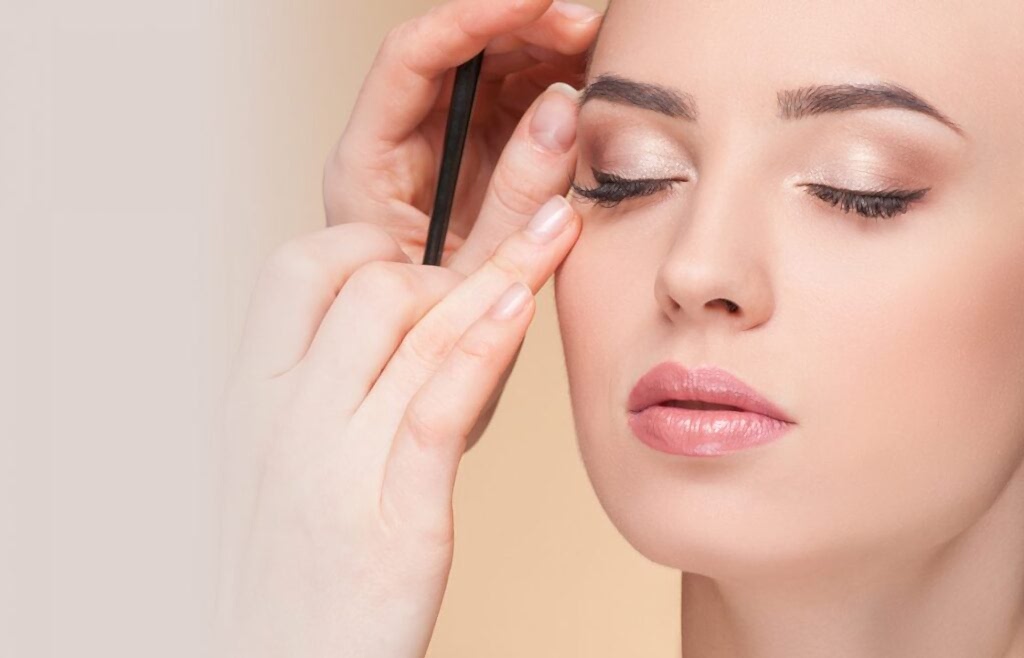
Permanent Makeup Removal, guided by Uzm. Dr. Ecem Cantürk Nazlı’s area of expertise, this procedure addresses the need for reversing or adjusting previous permanent makeup applications. It offers a solution for those seeking anatomical improvement and functional transformation, often resulting in enhanced skin quality and a more natural appearance. In Izmir, patients benefit from a targeted approach that combines technological support with a minimally invasive method.
This procedure ensures that the outcomes appear natural and balanced, contributing positively to both physical and psychological well-being. Many patients experience a sense of rejuvenation and an increase in self-confidence, feeling more comfortable in their skin after the procedure. The careful and controlled nature of the process allows for a problem-oriented approach, ensuring satisfaction and renewed self-assurance.
What Is Permanent Makeup Removal?
Permanent makeup removal is a specialized procedure aimed at eliminating or lightening pigments applied on the skin for cosmetic purposes such as eyebrows, eyeliner, and lip color. This treatment addresses the need to correct or remove unwanted permanent makeup results and is typically targeted at the facial area, where precision and aesthetic outcomes are of utmost importance.
In the field of dermatology, permanent makeup removal is significant as it requires a thorough understanding of skin health and pigment interaction. It is suitable for patients who are dissatisfied with their permanent makeup results or who experience adverse reactions. Each case is assessed individually to consider skin type, pigment depth, and the specific area treated, ensuring a tailored approach that considers the unique needs and conditions of each patient.
How Is Permanent Makeup Removal Applied?
The procedure for permanent makeup removal in our clinic typically involves a series of sessions using specialized techniques suited to the patient’s needs. The process starts with an initial consultation where the skin and pigment are assessed to determine the most suitable approach for effective removal. Various techniques may be employed depending on the type and depth of the pigment.
During the examination phase, I evaluate factors such as skin type, pigment color, and depth to decide on the best method of removal. The Q-switched Nd:YAG laser is often chosen due to its effectiveness in breaking down the pigments in the skin. This allows the body to naturally eliminate the fragmented pigments over time, making it a safe and controlled option for patients.
Throughout the application stage, a controlled and individualized approach is maintained, ensuring that each session is tailored to the patient’s progress and skin response. In our clinic, we prioritize patient safety and comfort, monitoring the skin’s reaction to each treatment and adjusting the approach as needed to achieve the desired aesthetic outcome while minimizing any potential side effects.
Understanding Different Techniques for Permanent Makeup Removal
Various techniques are used in clinical settings to remove permanent makeup. The choice of method depends on factors such as the type of pigment used, the location of the tattoo, and the patient’s skin type. Here are some commonly employed techniques:
- Laser Removal: Utilizes laser technology to break down pigment particles in the skin.
- Saline Removal: Involves using a saline solution to draw out pigment from the skin.
- Dermabrasion: A mechanical exfoliation technique that removes the upper layers of skin where pigment resides.

Personalized Treatment
Every individual’s skin and skin structure are unique. Therefore, Permanent Makeup Removal should be personalized for each person.

Sterile Clinical Environment
Permanent Makeup Removal must be performed under the supervision of a specialist physician and in a sterile clinical environment.

Treatment Tailored to Your Needs
In our clinic, the number of sessions is customized specifically for you, both for Permanent Makeup Removal and our other treatments.
Potential Side Effects and Risks of Permanent Makeup Removal
While permanent makeup removal procedures are generally safe, they can carry some risks and side effects. It is important to be aware of these before undergoing any treatment:
- Skin Irritation: Temporary redness, swelling, or itching may occur post-procedure.
- Scarring: In rare cases, improper technique or healing can lead to scarring.
- Infection: The risk of infection can be minimized with proper aftercare.
Factors Influencing the Success of Permanent Makeup Removal
The effectiveness of removing permanent makeup depends on several factors. Understanding these can help set realistic expectations for the procedure:
Type and Color of Pigment
The chemical composition and color of the pigment can affect how easily it can be removed. Darker pigments are generally easier for lasers to target.
Age of the Tattoo
Older tattoos may be more challenging to remove as the pigment can settle deeper into the skin over time.
Skin Type and Healing Response
Different skin types may respond differently to removal procedures, affecting the overall success and recovery process.
Post-Procedure Care for Optimal Results
Proper aftercare is crucial to ensure the skin heals well and to minimize complications. Patients should follow specific guidelines provided by their healthcare provider:
- Avoid Sun Exposure: Protect the treated area from direct sunlight to prevent pigmentation changes.
- Use Recommended Skincare Products: Apply any prescribed creams or ointments to promote healing.
- Maintain Hygiene: Keep the area clean to reduce the risk of infection.
Comparing Permanent Makeup Removal to Other Cosmetic Tattoo Procedures
Permanent makeup removal can often be confused with other cosmetic tattoo procedures. Here are some key differences to consider:
- Purpose: Removal procedures aim to eliminate tattoos, while cosmetic tattoos enhance or recreate desired features.
- Techniques: Removal techniques focus on breaking down pigments, whereas cosmetic tattoos involve depositing pigments.
- Outcome: The goal of removal is to clear the skin, while cosmetic tattoos aim for aesthetic enhancement.
Choosing a Qualified Specialist for Permanent Makeup Removal
Selecting an experienced and qualified specialist is critical for a safe and effective removal process. Consider the following factors when choosing a professional:
Certification and Experience
Ensure the specialist has the appropriate certifications and experience specifically in permanent makeup removal.
Client Reviews and Testimonials
Look for reviews and testimonials from previous clients to gauge the specialist’s reputation and success rate.
Consultation and Transparency
A qualified specialist should offer a thorough consultation and clearly explain the procedure, risks, and expected outcomes.
| Feature | Description |
|---|---|
| Procedure Duration | 30 to 60 minutes per session |
| Recommended Number of Sessions | 3 to 6 sessions |
| Side Effects | Redness, swelling, slight discomfort |
| Recovery Period | 1 to 2 days |
| Treatment Areas | Eyebrows, eyeliner, lips |
| Duration of Effect | Permanent after completion of sessions |
Clinical Evaluation and Expert Approach in Skin Treatments
When assessing the need for interventions in dermatology and medical aesthetics, a comprehensive evaluation of the patient’s anatomical and dermatological profile is paramount. Consideration of skin structure, the presence of underlying conditions, and the overall health of the tissue guides the clinical decision-making process. Each patient’s unique characteristics and medical history are carefully analyzed to ensure an approach that respects individual variability and addresses specific needs.
The expertise of Uzm. Dr. Ecem Cantürk Nazlı in Izmir allows for a nuanced understanding of each patient’s requirements. The evaluation process involves a thorough examination of the skin type, the effects of any previously applied procedures, and an assessment of long-term skin health. This methodical approach ensures that the chosen treatment plan is aligned with both the anatomical nuances and the dermatological health of the patient, providing a framework for tailored care.
Key Considerations in Clinical Decision-Making
- Assessment of anatomical structure and tissue characteristics
- Evaluation of skin type and any existing dermatological conditions
- Review of previously applied procedures and their outcomes
- Consideration of long-term balance and maintenance requirements
Permanent Makeup Removal Prices
Prices for permanent makeup removal can vary significantly from person to person due to individual differences in skin type, the extent of the tattoo, and specific removal needs. Because each case is unique, a standard price isn’t feasible. The fee is determined following a comprehensive clinical evaluation, where these variables are assessed. To receive precise pricing information tailored to your situation, we encourage you to contact our clinic directly. Our team will guide you through the process and provide the necessary details for your personalized treatment plan.
Conclusion
The Permanent Makeup Removal procedure addresses the need for individuals seeking to remove or modify previous cosmetic tattoo applications. The process begins with an individualized evaluation, as each patient’s skin and previous treatments can vary significantly. Examination and the opinion of {{doktor_adi}} in {{şehir}} play a decisive role in tailoring the removal plan to achieve balanced and satisfactory outcomes. This clinical approach ensures that each step is carefully assessed and adjusted to meet the patient’s unique needs.
Permanent Makeup Removal Frequently Asked Questions
Question: Is the procedure painful?
Answer: Patients often report mild discomfort during the procedure, which can vary based on individual pain tolerance. Topical anesthetics are usually applied to minimize any discomfort experienced.
Question: How many sessions are required for effective removal?
Answer: The number of sessions required for permanent makeup removal can differ depending on the depth and type of pigment used. Typically, multiple sessions are needed to achieve desired results, with intervals between each session for healing.
Question: What are the possible side effects of the procedure?
Answer: Common side effects include temporary redness, swelling, or minor irritation at the treatment site. These effects generally subside within a few days post-procedure.
Question: When can I return to my daily activities after the procedure?
Answer: Most patients can resume their daily activities immediately following the procedure, although it is advisable to avoid direct sun exposure and strenuous activities for a few days to aid healing.