
Nasolabial Filler

Nasolabial Filler, expertly administered by Uzm.Dr. Ecem Cantürk Nazlı, addresses the common concern of deepened nasolabial folds, enhancing facial harmony with a minimally invasive approach. This procedure offers aesthetic benefits by restoring volume and achieving a smoother, more youthful appearance. In Izmir, patients can expect a professional experience that combines both aesthetic enhancement and functional improvement, ensuring a refined outcome.
Through Uzm.Dr. Ecem Cantürk Nazlı’s area of expertise, this procedure provides natural and balanced results that contribute positively to one’s self-image. Patients often experience not only a visible rejuvenation but also an increase in self-confidence, as the nasolabial filler subtly enhances their facial features. This careful approach ensures that individuals feel comfortable and satisfied with their refreshed appearance.
What Is Nasolabial Filler?
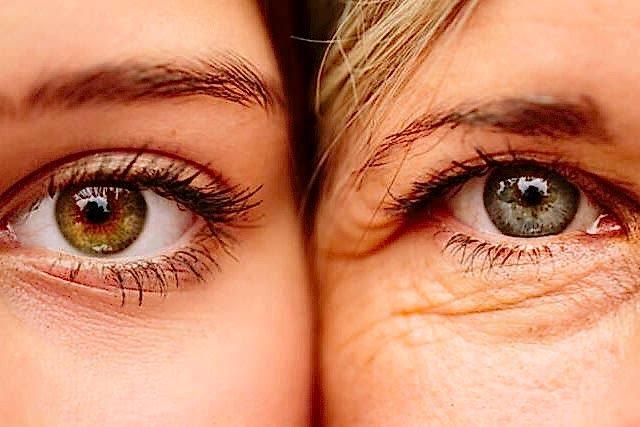
Nasolabial filler is a cosmetic procedure that involves the injection of dermal fillers into the nasolabial folds to reduce the appearance of lines and wrinkles. These folds, which run from the sides of the nose to the corners of the mouth, can deepen with age, leading to a more tired or aged appearance. Nasolabial fillers aim to restore volume and smooth out these lines for a rejuvenated look.
This procedure falls within the field of dermatology and is often performed by dermatologists like Uzm.Dr. Ecem Cantürk Nazlı in Izmir. It is suitable for individuals seeking to reduce the signs of aging in the nasolabial area. The decision to use fillers is based on individual facial structure and skin condition, making a personalized evaluation essential. An expert assessment is crucial to determine the appropriate approach and ensure optimal results for each patient.
How Is Nasolabial Filler Performed?
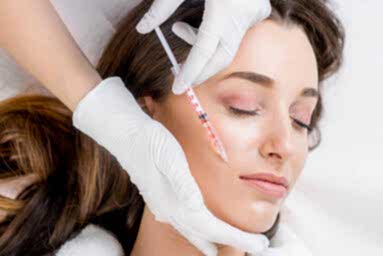
In our clinic, the nasolabial filler procedure begins with a thorough consultation to understand the patient’s aesthetic goals. The process typically involves the careful injection of hyaluronic acid-based fillers into the targeted areas, following a disinfected and controlled environment. This minimally invasive procedure takes a short time and requires no downtime, allowing patients to resume their daily activities quickly.
During the examination, I evaluate the patient’s facial anatomy and skin quality to determine the most suitable filler type and volume. The assessment focuses on achieving natural-looking results that harmonize with the patient’s overall facial structure. Individual preferences and medical history are also considered to tailor the treatment plan effectively.
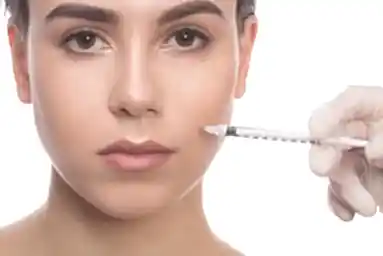
The application stage involves precise injections into the nasolabial folds, which I conduct with attention to detail and patient comfort. My approach prioritizes a controlled and individualized treatment, ensuring each patient receives care that aligns with their unique facial features and aesthetic desires. Regular follow-ups may be recommended to assess the results and make any necessary adjustments.
Benefits of Nasolabial Filler in Facial Rejuvenation
Nasolabial fillers offer a non-surgical approach to address deep facial folds, providing a more youthful appearance. These fillers can effectively restore volume loss and smooth out wrinkles, enhancing overall facial harmony. Patients often choose nasolabial fillers for their ability to deliver noticeable improvements with minimal downtime.

Personalized Treatment
Every individual’s skin and skin structure are unique. Therefore, Nasolabial Filler should be personalized for each person.

Sterile Clinical Environment
Nasolabial Filler must be performed under the supervision of a specialist physician and in a sterile clinical environment.

Treatment Tailored to Your Needs
In our clinic, the number of sessions is customized specifically for you, both for Nasolabial Filler and our other treatments.
Types of Fillers Used for Nasolabial Folds
There are several types of dermal fillers available, each with unique properties and benefits. Choosing the correct filler depends on individual needs and medical recommendations.
Hyaluronic Acid-Based Fillers
Hyaluronic acid fillers are popular due to their natural composition and reversibility. They provide hydration and volume, making them suitable for various skin types.
Calcium Hydroxylapatite Fillers
These fillers stimulate collagen production, offering long-lasting effects. They are ideal for deeper wrinkles and folds.
Poly-L-lactic Acid Fillers
Known for their gradual effects, these fillers work by stimulating collagen production over several months, resulting in a more natural look.
- Hyaluronic Acid-Based Fillers
- Calcium Hydroxylapatite Fillers
- Poly-L-lactic Acid Fillers
Potential Risks and Side Effects
As with any cosmetic procedure, nasolabial fillers come with potential risks and side effects. Understanding these is crucial for making an informed decision.
- Bruising and Swelling: Common and usually temporary, these effects typically resolve within a few days.
- Allergic Reactions: Although rare, some individuals may experience reactions to certain filler materials.
- Infection: Proper post-procedure care minimizes this risk.
Expected Results and Duration of Effects
The longevity of nasolabial filler results varies depending on the type of filler used and individual factors. On average, patients can expect results to last from 6 months to 2 years. Regular follow-up treatments help maintain the desired aesthetic effects.
- Hyaluronic Acid Fillers: Typically last 6 to 12 months.
- Calcium Hydroxylapatite Fillers: Effects can last up to 18 months.
- Poly-L-lactic Acid Fillers: Gradual results can last up to 2 years.
Post-Procedure Care and Recommendations
Following the procedure, specific post-care steps are essential to optimize results and minimize complications. Patients are advised to adhere to the following recommendations:
- Avoid strenuous activities for 24 hours to reduce swelling.
- Keep the treated area clean and avoid makeup for several hours post-procedure.
- Follow up with your healthcare provider for any concerns or unexpected reactions.
Suitability and Considerations for Different Skin Types
Nasolabial fillers are generally suitable for most skin types, but individual assessment is necessary to determine the best approach. Factors such as skin thickness, elasticity, and the depth of folds are considered during evaluation.
Skin Elasticity
Patients with good skin elasticity often achieve more favorable outcomes, as the skin can better adapt to the added volume.
Depth of Nasolabial Folds
Deeper folds may require specific fillers or a combination approach to achieve optimal results.
| Feature | Description |
|---|---|
| Procedure Duration | 30 to 60 minutes |
| Duration of Effect | 6 to 12 months |
| Recommended Sessions | 1 session |
| Side Effects | Redness, swelling, bruising |
| Recovery Period | 1 to 2 days |
| Treatment Areas | Nasolabial folds |
Clinical Evaluation and Expert Approach in Nasolabial Filler Treatments
When considering nasolabial filler treatments, a comprehensive clinical evaluation is paramount. This process involves a detailed assessment of the patient’s facial anatomy, including the structural integrity and elasticity of the skin. The evaluation also considers the unique dermatological characteristics of each patient, such as skin type and any existing conditions that may influence the treatment plan. By focusing on these variables, a tailored approach is developed that enhances the natural facial contours while maintaining the overall health of the skin.
Expert perspective is crucial in the planning and administration of nasolabial fillers. This involves a careful analysis of the patient’s previous cosmetic procedures and their responses to them. Additionally, long-term maintenance and balance are key factors that guide the decision-making process. By integrating these elements, the treatment plan aims to achieve subtle and harmonious results that align with the patient’s aesthetic goals while prioritizing their safety and well-being.
Key Considerations in Clinical Decision-Making
- Anatomical structure and tissue characteristics
- Skin type and existing dermatological conditions
- Previously applied procedures and responses
- Long-term balance and maintenance requirements
Nasolabial Filler Prices
Nasolabial filler prices can vary significantly due to the unique facial structure and specific needs of each individual. Since a standard price is not feasible, the fee is determined after a comprehensive clinical evaluation. This personalized approach ensures that the treatment plan is tailored to your specific requirements. To obtain accurate pricing information and discuss your options, we encourage you to contact our clinic directly. Our team is ready to assist you with any questions and guide you through the next steps in your aesthetic journey.
Conclusion
The nasolabial filler procedure addresses the aesthetic need to reduce the appearance of deep lines between the nose and mouth, enhancing facial harmony and youthfulness. The individualized evaluation conducted by Uzm.Dr. Ecem Cantürk Nazlı is crucial in determining the most appropriate approach for each patient, ensuring a personalized treatment plan. Through thorough examination and professional insight, the process is shaped to achieve a balanced and natural-looking outcome. This clinical approach underscores the importance of assessment and tailored interventions for optimal results in Izmir.
Nasolabial Filler Frequently Asked Questions
Question: Is the nasolabial filler procedure painful?
Answer: The procedure involves minimal discomfort, as a topical anesthetic is usually applied to the area beforehand. Most patients report only mild sensations during the injection process.
Question: When can I expect to see the effects of the nasolabial filler?
Answer: The effects of nasolabial filler are typically noticeable immediately after the procedure. However, the full results become more apparent as any initial swelling subsides within a few days.
Question: How long do the results of a nasolabial filler last?
Answer: The longevity of the results varies depending on the type of filler used and individual factors, but generally, the effects can last between 6 to 12 months. Regular follow-up treatments are recommended to maintain the desired appearance.
Question: Are there any side effects associated with nasolabial fillers?
Answer: Common side effects are generally mild and may include redness, swelling, or bruising at the injection site. These typically resolve within a few days. It is important to discuss any concerns with your physician prior to the procedure.